Ne partez pas tout de suite - Obtenez votre recommandation de projet
Faites-nous part de vos exigences et de votre marché cible. Nous vous proposerons la bonne configuration, le bon chemin d'échantillonnage et le bon plan de production.
Pendant les heures de bureau, nous pouvons généralement fournir un devis préliminaire dans les deux heures.
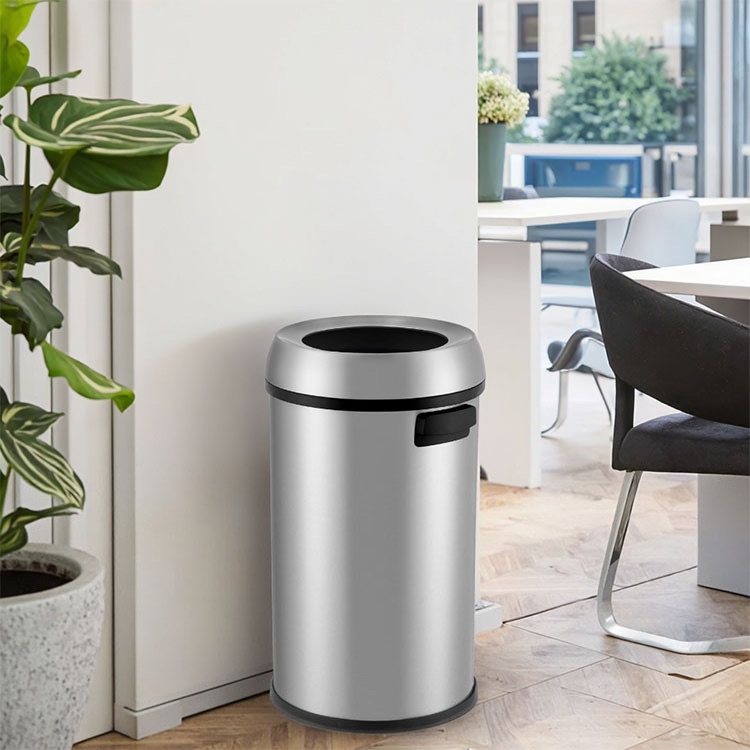
les installations basées sur le flux de travail pour améliorer l'efficacité et garder les couloirs bien rangés
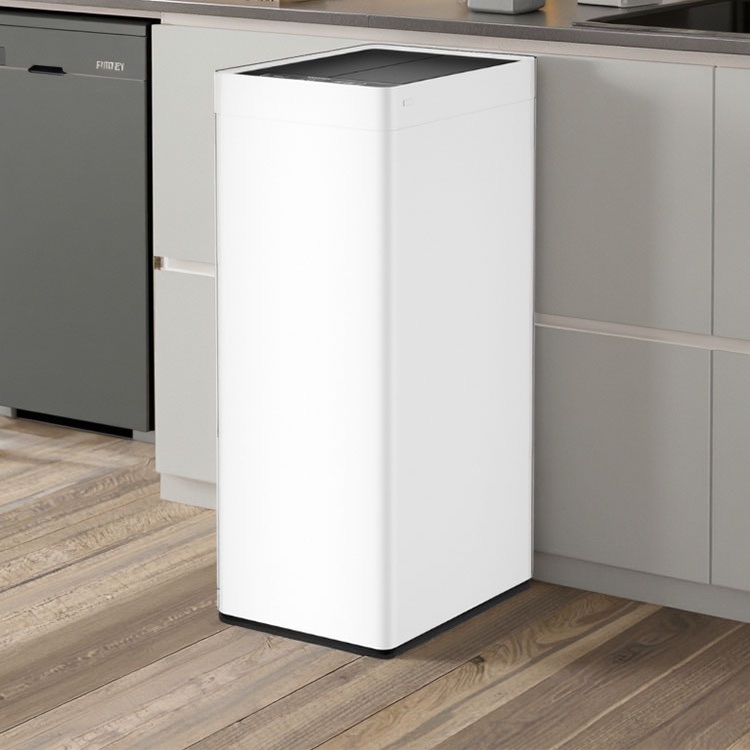
Le sac à dos est plus facile à changer et à entretenir, il est conçu pour une utilisation quotidienne dans l'établissement.
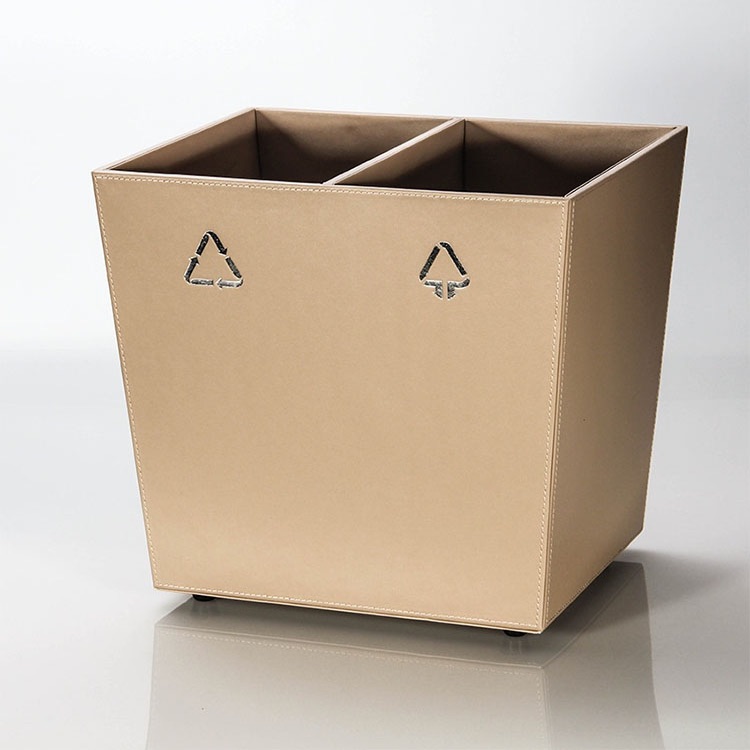
: 1-3 options de flux avec des systèmes d'icônes/étiquettes clairs pour réduire la contamination
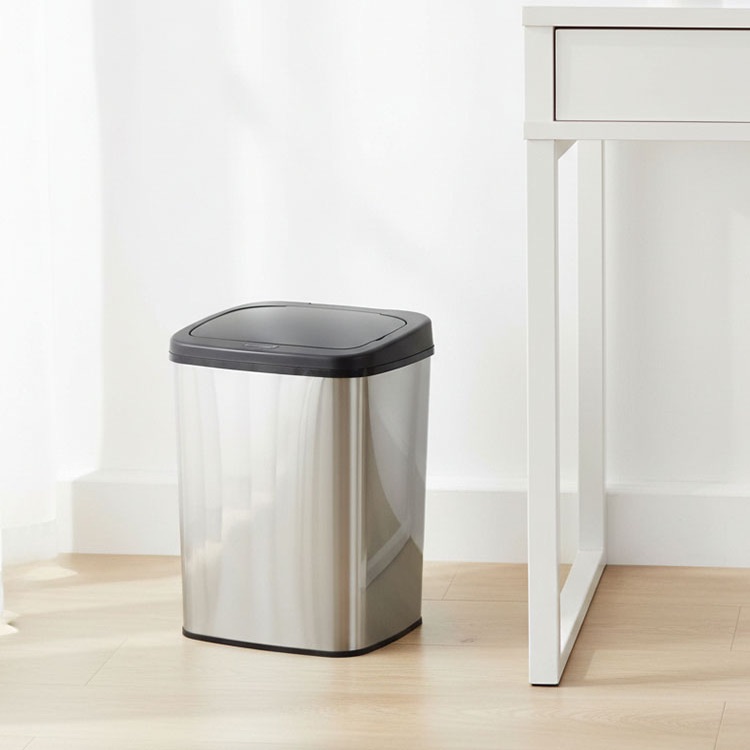
: des matériaux, des finitions, une image de marque et un emballage verrouillés pour des commandes cohérentes
Vos informations ne sont utilisées qu'à des fins de devis et de communication.
Liste de contrôle pour l'achat de poubelles professionnelles : 15 questions à se poser avant de demander un devis
Un prix unitaire bas peut masquer une structure en acier de mauvaise qualité, des changements de sacs trop espacés, des bases instables et des frais de transport élevés. Ces 15 questions aident les acheteurs à déterminer les poubelles commerciales les mieux adaptées avant de demander un devis.
Les poubelles professionnelles sont faciles à acheter.
Jusqu'à ce que ce ne soit plus le cas.
Un acheteur choisit une capacité, sélectionne de l’acier inoxydable à partir d’un nuancier de finitions, envoie un e-mail à trois usines et attend trois devis qui semblent comparables. Or, ils ne le sont pas. Un fournisseur a proposé un prix pour une coque de 0,7 mm avec une finition brossée décorative. Un autre a prévu de l’acier inoxydable de type 304, un cadre de revêtement adapté, des charnières dissimulées et un socle prêt à être ancré. Le troisième devis ne donne pratiquement aucune précision — c’est généralement le plus risqué.
Même silhouette. Des composants très différents.
Voici la triste réalité : la plupart des appels d’offres pour poubelles décrivent l’aspect que doit avoir le produit, mais ne disent pratiquement rien sur ce qu’il doit supporter, sur la manière dont le personnel va le vider, ni sur ce qu’il adviendra après deux hivers, 8 000 changements de sacs poubelle et plusieurs chocs avec des chariots à bagages.
C'est là que va l'argent.
Une poubelle commerciale est un petit équipement pris en étau entre le comportement des clients, les processus d’entretien, les risques d’incendie, la réglementation en matière de déchets, l’espace de chargement, les normes de la marque et l’équipe d’entretien qui devra tôt ou tard débloquer sa porte. La considérer comme un élément de décoration, c’est courir à la catastrophe.
Avant de demander un devis, posez donc ces 15 questions.
Pourquoi le devis le moins cher relève souvent de la fiction
Mais avant tout, regardez les expressions que les fournisseurs adorent : “ à usage intensif ”, “ résistant aux intempéries ”, “ facile à nettoyer ”, “ de qualité professionnelle ”.”
De belles paroles. Aucune preuve.
Est-ce que “ haute résistance ” signifie de l’acier inoxydable de 1,2 mm ou un panneau plié de 0,7 mm renforcé par deux soudures par points ? La “ résistance aux intempéries ” a-t-elle été testée face à l’exposition aux UV, au brouillard salin, à la pluie poussée par le vent — ou le produit a-t-il simplement été placé sous l’auvent d’un showroom ? Et la doublure peut-elle réellement être retirée lorsqu’elle est pleine, mouillée et qu’elle gonfle contre l’armature interne ?
Je pense sincèrement que tout adjectif non chiffré devrait être supprimé d'un appel d'offres. Il convient de le remplacer par un chiffre, un schéma, une méthode d'essai ou un échantillon physique.
Les autorités de régulation raisonnent déjà en termes fonctionnels. La norme d’hygiène de l’OSHA stipule que les récipients destinés à contenir des déchets solides ou liquides putrescibles doivent être étanches, permettre un nettoyage en profondeur et, en règle générale, être munis d’un couvercle hermétique. L’OSHA Conseils pour le nettoyage d'un restaurant recommande également aux employeurs de limiter la taille des poubelles afin de limiter la charge à soulever et de placer les conteneurs à un endroit où les travailleurs peuvent y accéder sans obstacle.
Le fournisseur pourrait tout de même affirmer qu'il s'est parfaitement conformé à votre bon de commande.
C'est gênant, n'est-ce pas ?
1. Qu'est-ce que les gens vont réellement y jeter ?
Oublions un instant les “ déchets résiduels ”. Que se passe-t-il réellement à l'intérieur ?
Des tasses à café contenant encore 40 ml de latte froid ? Des boîtes à emporter graisseuses ? Du papier de bureau ? Des déchets de salle de bains d'hôtel ? Du verre brisé ? Des canettes en aluminium ? Des restes de nourriture ? Des mégots de cigarette pas tout à fait éteints ?
Chaque type de déchets impose des spécifications différentes. Les déchets humides nécessitent un système de contrôle des fuites et des joints faciles à nettoyer. Les poubelles doivent être dotées d’une ouverture adaptée aux diamètres courants des contenants. Les déchets alimentaires imposent des couvercles plus hermétiques, un nettoyage plus rapide et un entretien plus fréquent. Les cendres et les déchets liés au tabac exigent une réflexion plus poussée en matière de risques d’incendie.
Notez le flux :
Déchets mis en décharge
Papier et carton
Récipients en plastique, en métal et en verre
Déchets alimentaires ou déchets organiques
Élimination des liquides
Déchets de cigarettes
Déchets sanitaires
Pourquoi en faire toute une histoire ? Parce que les États-Unis ont produit 292,4 millions de tonnes courtes de déchets municipaux solides en 2018 — soit environ 4,9 livres par personne et par jour — alors que seules 32,11 TP3T ont été recyclées ou compostées, selon l'EPA Aperçu national des matières premières et des déchets.
Une poubelle ne suffira pas à régler ce problème. En revanche, une ouverture défectueuse peut certainement aggraver la contamination.
2. Où va-t-on installer la poubelle ?
“ En plein air ” n’est pas un lieu. C’est à peine un indice.
Une poubelle installée sous l'auvent d'un hôtel est exposée à l'humidité, à l'air vicié et, parfois, à la pluie tombant de travers. Celle située près d'une promenade en bord de mer est exposée quotidiennement aux chlorures. Une poubelle installée dans le désert est soumise aux rayons UV et à des températures de surface élevées. Une poubelle dans une station de ski subit des cycles de gel-dégel, est recouverte de neige fondue, de gravillons et de sel de déneigement qui s'infiltrent dans tous ses joints.
Pourtant, ces quatre modèles peuvent figurer sous la même rubrique du catalogue : poubelles commerciales d'extérieur.
Demandez au fournisseur de vous proposer un devis en fonction de l'exposition réelle :
Plage de températures
Humidité relative
Intensité des rayons UV
Direction de la pluie
Distance par rapport à la côte
Produits chimiques de dégivrage
Vent prévu
Placement couvert ou non couvert
Et ne vous contentez pas de la mention “ adapté à une utilisation en extérieur ”. Adapté à Shenzhen ? À Seattle ? À Riyad ? À la terrasse d'un hôtel située à 100 mètres de l'océan ?
Ici, ce sont les détails qui comptent.
3. Quelle quantité de déchets s'accumule entre deux collectes ?
J'ai vu des débats sur la capacité commencer et se terminer par “ 60 litres devraient suffire ”. Sur quelle base ?
Réalisez un audit des déchets, même s'il ne s'agit que d'une étude sommaire de trois jours. Notez le volume des sacs, leur poids approximatif, la fréquence normale de collecte, les débordements aux heures de pointe et les charges liées à des événements exceptionnels. La fréquentation du hall d'entrée un vendredi soir peut ne rien avoir à voir avec celle d'un mardi matin.
Demandez alors la capacité utile, et non pas simplement le volume brut de la coque extérieure.
Une armoire d'une capacité nominale de 60 litres peut perdre un espace considérable à cause d'une hotte inclinée, d'un col de revêtement, d'une rainure de charnière, d'un faux socle ou d'une cloison. Les fournisseurs le savent bien. Beaucoup continuent néanmoins d'indiquer le chiffre le plus élevé, car il fait meilleure impression à côté du prix.
Et choisir un sac trop grand a ses inconvénients. Un grand sac destiné aux déchets alimentaires peut devenir trop lourd à soulever en toute sécurité bien avant d'être rempli à ras bord.
4. Quelles sont les dimensions réelles d'utilisation ?
La brochure indique une largeur de 450 mm. Très bien.
Que se passe-t-il lorsque la porte de service s'ouvre ? La charnière ajoute-t-elle 18 mm supplémentaires ? La poignée arrière heurte-t-elle le mur ? Une pédale dépasse-t-elle dans le passage ? Le revêtement intérieur peut-il passer au-dessus sans heurter une étagère ?
Demandez un plan coté indiquant :
Largeur hors tout, profondeur et hauteur
Dégagement nécessaire pour l'ouverture de la porte
Dégagement avec le couvercle ouvert
Dimensions de l'ouverture
Dimensions intérieures de la doublure
Empreinte de la base ou de l'ancrage
Distance par rapport au mur
Poignées, charnières, pieds et butoirs
Parcourez ensuite le circuit de service. Mesurez la largeur de la porte d'entrée, de l'ascenseur, des virages dans les couloirs, du local d'entretien, du quai de chargement et de la zone de lavage.
Ce phénomène ne se limite pas aux poubelles. A chariot de ménage compact avec rangement pour le linge Cela peut paraître étroit sur une feuille, mais son encombrement réel change dès qu'on prend en compte un sac, un pare-chocs ou une porte d'armoire. Ce même piège tend également aux acheteurs de poubelles.
Les cotes du catalogue décrivent un objet. Les cotes d'exécution décrivent le projet.
5. Quelle nuance de matériau achetez-vous réellement ?
“ Boîtier en acier inoxydable ” ne m'apprend pratiquement rien.
S'agit-il du type 201, 304 ou 316 ? Quelle finition ? Quelle épaisseur ? Quels composants utilisent cette nuance : l'enveloppe visible, le revêtement interne, la base, ou tous ces éléments ?
Pour de nombreuses poubelles commerciales d'intérieur, l'acier inoxydable de type 304 constitue un choix de base judicieux. Un emplacement côtier à forte concentration en chlorure peut justifier le recours au type 316. Le type 201 peut convenir dans des environnements contrôlés, mais les acheteurs doivent bien comprendre les enjeux plutôt que de découvrir des traces de corrosion après l'installation.
L'acier thermolaqué nécessite une série de questions différente :
Catégorie des métaux communs
Procédé de prétraitement
Chimie des revêtements
Épaisseur du film sec
couleur RAL
Essai d'adhérence
Méthode et durée de l'essai au brouillard salin
Méthode de réparation après des rayures
Du plastique ? Demandez s'il s'agit de PEHD, de PP ou d'un autre matériau. Renseignez-vous sur la résistance aux UV, le pourcentage de matière recyclée, l'épaisseur nominale de la paroi et les données relatives à la résistance aux chocs à basse température.
Sinon, vous achetez un bien matériel. Pas une spécification.
6. Dans quel cas utilise-t-on l'épaisseur de métal indiquée ?
Voici une vieille astuce de catalogue.
Le devis indique “ acier inoxydable de 1,0 mm ”. Les acheteurs partent du principe que l'ensemble du bac est fabriqué à partir de tôles de 1,0 mm. Ils découvrent par la suite que le couvercle mesure 1,0 mm, la porte 0,8 mm, les larges panneaux latéraux 0,7 mm et que le revêtement intérieur est encore plus fin.
Techniquement, le fournisseur n'a pas menti. Ça tombe bien.
Demander un tableau des épaisseurs des composants pour :
Carrosserie extérieure
Haut de la page
Porte
Doublure intérieure
Cadre de revêtement
Plaque de base
Supports de charnières
Onglets d'ancrage
Utilisez les millimètres et précisez les tolérances. Les panneaux plats de grande largeur nécessitent une attention particulière, car les tôles fines peuvent présenter un effet « boîte à huile » — cet aspect ondulé et déformé qui apparaît sous l'éclairage réfléchi du hall d'entrée, même lorsque le produit n'a subi aucun choc important.
Ça a l'air bon marché. Rapide.
7. Le guide d'ouverture oriente-t-il correctement les gens ?
Les gens ne regardent pas attentivement les poubelles. Ils y jettent un coup d'œil, se décident et y jettent leurs déchets.
Une ouverture circulaire est destinée aux bouteilles et aux canettes. Une fente étroite est prévue pour le papier. Un grand rectangle permet d’y jeter pratiquement tout. Les ouvertures à capot protègent en partie de la pluie, tandis que les rabats battants dissimulent les déchets mais génèrent des points de contact, une usure des charnières, du bruit et des surfaces collantes.
Testez la mise en scène avec des objets réels provenant du bien immobilier. Pas avec des échantillons parfaits sélectionnés pour une vidéo de présentation.
Un gobelet à emporter avec son couvercle passera-t-il dans la fente ? Une boîte à pizza pliée peut-elle être jetée avec le papier ? L'ouverture est-elle assez grande pour accueillir les emballages de petit-déjeuner habituels de l'hôtel ? Les enfants peuvent-ils l'atteindre ? Un plateau risque-t-il de se coincer dans le capot ?
Et surtout, ne vous fiez pas uniquement à la couleur. Les pratiques locales en matière de tri sélectif varient, et tous les utilisateurs ne perçoivent pas les couleurs de la même manière. Associez la couleur à des mots, des icônes et la forme de l’ouverture.
La poubelle donne des instructions… même si personne n'en a rédigé.
8. Le personnel peut-il changer la doublure sans avoir à se battre avec elle ?
Regardez un agent d'entretien s'occuper de l'échantillon. Vous en apprendrez davantage en 45 secondes qu'en lisant dix pages de texte commercial.
Commencez avec un sac bien rempli, comme dans la réalité. Humidifiez-le légèrement. Chronométrez ensuite les différentes étapes : déverrouiller, ouvrir, relâcher, soulever, retirer, remettre en place, fixer, fermer.
Cherchez les passages délicats :
Le sac s'accroche aux soudures
Rebords de retour à angle vif
Un cadre de doublure qui se détache
Grandes hauteurs de levage
Clés nécessaires pour un accès courant
Les portes qui ne restent pas ouvertes
Cavités contenant du liquide renversé
Dégagement insuffisant au niveau des mains
C'est là que la main-d'œuvre s'échappe d'un bâtiment, petite tâche après petite tâche. A chariot de ménage d'hôtel avec porte-sac intégré Cela peut accélérer le circuit de collecte, mais pas si le personnel doit ensuite passer une minute à dégager chaque sac d'un anneau de retenue mal plié.
Dix secondes perdues sur 80 poubelles, vidées trois fois par jour, cela représente 400 minutes par semaine.
Six heures et quarante minutes. Déjà passées.
9. Est-il compatible avec une doublure disponible localement ?
“ Convient aux sacs standard. ”
Quelle norme ?
Précisez la largeur, la longueur, l'épaisseur, le matériau polymère, le type de fermeture et le volume utile. Vérifiez ensuite que les distributeurs locaux disposent bien de ce modèle en stock. Une doublure exclusive parfaitement dissimulée peut conférer au bac un aspect soigné, mais elle peut également entraîner une dépendance vis-à-vis d'un fournisseur, des délais de livraison aléatoires et un coût récurrent peu pratique sur plusieurs sites.
Procurez-vous des échantillons. Remplissez-les de déchets réalistes. Faites-les passer par la porte, comme en situation réelle.
Si le sac dépasse du col, glisse à l'intérieur du meuble ou pend de dix centimètres sous la doublure de fond, c'est qu'il n'est pas bien ajusté. Ne laissez pas un fournisseur vous donner comme excuse des instructions de pliage que votre équipe de nuit ne suivra jamais.
10. Que se passe-t-il quand quelqu'un le lave ?
Une surface lisse ne présente aucun joint. Ce n'est pas le cas du bac fabriqué.
L'eau et les résidus de jus s'infiltrent dans les bords repliés, les poches soudées par points, les socles creux, les rainures de charnières, les angles non étanches et les cavités à double paroi. Une fois à l'intérieur, ces résidus peuvent s'accumuler là où aucun chiffon ne peut atteindre.
Charmant.
Vérifiez si l'appareil supporte les détergents neutres, les désinfectants dilués, les produits d'entretien chlorés, l'alcool, le lavage à haute pression ou la vapeur. Ne partez pas du principe que l'acier inoxydable résiste à toutes les concentrations de produits chimiques.
Et vérifiez le système d'évacuation. Où s'écoule l'eau de rinçage ? Le fond du compartiment intérieur est-il en pente ? Le socle peut-il être retiré ? Un orifice d'évacuation risque-t-il de déverser un liquide brun directement sur la pierre polie ?
Un siphon n'est pas utile simplement parce qu'il existe.
11. Que signifie “ résistant au feu ” dans ce devis ?
Pour être franc, je n'aime pas du tout l'expression “ poubelle ignifuge ”. Elle est trop vague et souvent trop simpliste.
Qu'est-ce qui a été testé : la coque métallique, le couvercle, une tête auto-extinguible, le cendrier amovible ou le produit complet ? Selon quelle norme ? Dans quel laboratoire ? Le modèle a-t-il été testé dans la même configuration que celle mentionnée dans le devis ?
Demander :
Numéro standard
Numéro du rapport d'essai
Laboratoire
Modèle testé
Configuration du produit
Date de l'examen
Résultats et limites
Les déchets contenant des solvants, de l'huile ou des liquides inflammables doivent faire l'objet d'un traitement distinct. L'OSHA précise que les chiffons imprégnés d'huile, les déchets de solvants et les liquides inflammables présents sur les chantiers de construction doivent être placés dans conteneurs couverts résistants au feu.
Une coque métallique décorative n'est pas automatiquement un conteneur de sécurité homologué. Le métal brûle moins facilement que le plastique ; cela ne signifie pas pour autant que tous les conteneurs métalliques conviennent aux déchets combustibles.
12. Va-t-il basculer, s'éloigner ou être mis en pièces à coups de pied ?
La stabilité en extérieur se résume souvent à un seul chiffre : le poids du produit.
Mais une poubelle de 45 kg, dotée d'une base étroite et d'un centre de gravité élevé, peut se révéler moins performante qu'un modèle plus léger et correctement ancré. Les charges dues au vent, les irrégularités du revêtement, les mouvements de la porte, les chocs provoqués par les utilisateurs et le remplissage partiel sont autant de facteurs qui modifient l'équation.
Demande :
Poids à vide
Informations sur le centre de gravité
Dimensions de la base
Motif d'ancre
Caractéristiques techniques des boulons
Options de ballast
Serrures de porte
Fermetures de couvercle
Points de fixation des câbles de sécurité
Panneaux de protection remplaçables
Pour un projet d'aménagement d'espace public, procurez-vous le plan d'ancrage avant le coulage du béton. Pas après, quand quelqu'un suggère de percer l'étanchéité ou de dissimuler une dalle de pavage mal fixée sous le socle.
Ça arrive. Souvent.
13. Peut-on remplacer les pièces qui s'usent réellement ?
Le corps de la poubelle peut tenir douze ans. Sa serrure, en revanche, ne tiendra peut-être pas douze mois.
Demandez une vue éclatée indiquant les références et les prix actuels des charnières, serrures, clés, amortisseurs, pieds, roulettes, cadres de doublure, bacs intérieurs, panneaux de porte, inserts de cendrier et autocollants. Posez ensuite la question qui met mal à l’aise : pendant combien de temps ces pièces resteront-elles disponibles ?
“La mention ” Pièces de rechange disponibles sur demande » ne constitue pas un engagement.
La même logique de gestion de flotte s'applique lors de l'achat d'un chariot de ménage avec portes d'armoire verrouillables. Les serrures, les roues, les pare-chocs et les portes sont des pièces d'usure. Le châssis peut rester en bon état alors qu'une pièce à cinq dollars met l'ensemble du véhicule hors service.
Les immeubles dont les charges techniques sont plus importantes peuvent également nécessiter un grand chariot de ménage avec plusieurs étagères plutôt que de soumettre un chariot trop petit à des cycles de surcharge constants. Et là où se croisent le linge, les produits d'accueil et la collecte des déchets, un chariot de linge et d'équipements sur mesure pour les hôtels peut s'avérer plus judicieux que de considérer chaque article comme un achat isolé.
Les équipes chargées des achats appellent cela des catégories distinctes. Les opérateurs, quant à eux, ne voient qu'un seul flux de travail.
14. Quelles sont les preuves qui étayent ces arguments de vente ?
Un logo de certification inséré dans un fichier PDF ne prouve pas grand-chose. Parfois, il fait référence au système de gestion de l'usine. Parfois, il concerne un autre modèle. Parfois, il est simplement… là.
Demander des justificatifs relatifs à l'unité mentionnée :
Rapport de contrôle dimensionnel
Certificat de conformité des matériaux
Registre de l'épaisseur du revêtement
Essai d'adhérence du revêtement
Rapport sur les essais au brouillard salin
Rapport sur la résistance aux UV
Essai de choc
Évaluation de la stabilité en bout de flèche
Évaluation de la pénétration d'eau
Liste de contrôle pour l'inspection avant expédition
Test d'emballage
Pour les poubelles commerciales sur mesure, définissez les défauts acceptables avant la production. Quelle peut être la longueur maximale d’une rayure ? Quelle variation de couleur est tolérée ? Un point de soudure visible sur le panneau avant est-il acceptable ? À partir de quel degré de basculement sur une table d’inspection plane le produit est-il rejeté ?
Veuillez également valider un échantillon physique de pré-production.
Les rendus sont superbes. La tôle, elle, a son mot à dire.
15. Quel est le coût réel à l'arrivée ?
Ce prix unitaire alléchant peut cacher la moitié de la facture.
Veuillez fournir des chiffres distincts pour :
Produit
Outillage
Exemples
Couleurs personnalisées
Logos et autocollants
Doublures internes
Serrures et clés de rechange
Ancrages
Pièces de rechange
Emballage pour l'exportation
Palettes ou caisses
Fret
Assurance
Droits et taxes
Livraison sur site
Installation
Exclusions de garantie
Les conteneurs à déchets commerciaux volumineux remplissent rapidement les conteneurs d'expédition. Ils sont grands, souvent creux, et ne s'emboîtent pas toujours les uns dans les autres. Demandez donc les dimensions des cartons, le poids brut, le nombre d'unités par palette et les quantités de chargement pour un conteneur de 20 pieds et un conteneur « high-cube » de 40 pieds.
Les éléments peuvent-ils s'emboîter sans endommager la surface ? Sont-ils livrés démontés ? Quel est le volume de travail nécessaire pour le montage sur site ? Les portes sont-elles alignées avant l'expédition ou les installateurs doivent-ils s'en charger eux-mêmes ?
Un prix EXW bas peut n'être qu'une façade dès lors que l'on prend en compte le fret, le reconditionnement, les dommages et le montage.
Tableau comparatif des appels d'offres pour les poubelles commerciales
Catégorie d'appel d'offres
Réponse peu convaincante du fournisseur
Réponse prête à l'emploi pour les achats
Pièces à demander
Demande
“ Intérieur/extérieur ”
Hall d'entrée d'un hôtel ; déchets mixtes secs ; 18 à 30 °C
Déclaration relative à la demande
Capacité
“ 60 L ”
60 L bruts ; 48 L de volume utile de la cuve
Plan d'ensemble coté
Matériau
“ Acier inoxydable ”
Acier inoxydable de type 304 ; épaisseur de panneau spécifiée
Certificat de conformité des matériaux
Finition
“ Brossé ”
Finition directionnelle n° 4 avec échantillon validé
Exemple de finition
Résistance aux intempéries
“ Imperméable ”
Ouverture à capot, partie supérieure étanche, parcours de drainage documenté
Essai d'étanchéité à l'eau
Manutention des conteneurs
“ Changement facile ”
Porte avant, cadre amovible, remplacement sans outil
Vidéo de service non montée
Sécurité
“ Haute résistance ”
Plaque d'ancrage à quatre points et porte de service verrouillable
Dessin d'une ancre
Conformité
“ Certifié ”
Nom de la norme d'essai, configuration, laboratoire et date
Rapport d'essai complet
Pièces de rechange
“ Disponible ”
Liste des pièces avec prix et engagement de disponibilité sur cinq ans
Vue éclatée
Logistique
“ Emballage pour l'exportation ”
Dimensions des cartons, poids brut, nombre de palettes, chargement des conteneurs
Spécifications d'emballage
Garantie
“ Un an ”
Couverture écrite, exclusions, procédure de déclaration de sinistre et responsabilité relative aux pièces
Document de garantie
Ce que j'inclurais dans l'appel d'offres
Ni de la poésie. Ni d'adjectifs.
Je préciserais l'environnement d'installation, le flux de déchets, la capacité utile, les dimensions maximales de fonctionnement, le matériau de la cuve, l'épaisseur par composant, la finition, la géométrie des ouvertures, la méthode de revêtement, les produits chimiques de nettoyage, le système de fixation, les documents d'essai, la quantité commandée, la destination, les Incoterms, le kit de pièces de rechange, la garantie et les limites d'emballage.
Chaque soumissionnaire reçoit alors le même fichier.
Sinon, vous ne comparez pas des devis, mais les interprétations personnelles de cinq fournisseurs sur ce que pourraient signifier des ’ poubelles professionnelles de haute qualité “.
Ajoutez également un tableau des écarts. Demandez aux soumissionnaires d'indiquer, ligne par ligne, chaque écart par rapport au cahier des charges. Si une exigence n'est pas renseignée, elle ne doit pas pour autant être ignorée ; elle doit être considérée comme incluse.
Cette phrase a sauvé plus de projets qu’un audit de fournisseurs sur papier glacé.
FAQ
Qu'est-ce qu'une poubelle professionnelle ?
Les poubelles professionnelles sont des conteneurs à déchets à usage intensif destinés aux entreprises, aux hôtels, aux bureaux, aux restaurants, aux établissements publics et aux espaces collectifs, où la facilité de nettoyage, la capacité utile, l’accès aux sacs poubelles, la résistance aux intempéries, la sécurité, le comportement au feu et la fréquence d’entretien revêtent une importance plus grande que ce ne serait le cas pour un produit à usage domestique. Elles peuvent être utilisées pour les déchets ménagers, le tri sélectif, les déchets organiques ou les flux de déchets soumis à des réglementations spécifiques.
Mais le terme “ commercial ” ne correspond pas à une norme de performance. Il s'agit d'une appellation commerciale. La nuance, l'épaisseur de paroi, le système de revêtement, le mode de fixation, les résultats des essais et l'environnement d'utilisation doivent tout de même figurer sur le devis.
Comment choisir des poubelles professionnelles pour une entreprise ?
Choisissez vos poubelles professionnelles en faisant correspondre les flux de déchets réels de chaque site, les pics de volume, la fréquence de collecte, l’encombrement, l’exposition aux intempéries, les procédures de nettoyage, les contraintes liées à la manutention par le personnel, la réglementation locale et les exigences esthétiques à un cahier des charges écrit, puis comparez la capacité utile et le coût d’exploitation sur toute la durée de vie plutôt que de vous fier aux litres nominaux ou au prix unitaire le plus bas.
Commençons par les déchets, pour être franc. Un audit des déchets sur trois jours et un test chronométré de changement de sac poubelle en diront plus long qu’une salle d’exposition remplie d’échantillons impeccables.
Quelle taille de poubelle professionnelle une entreprise doit-elle prévoir ?
La taille adéquate d'une poubelle professionnelle correspond à la plus petite capacité utile permettant de contenir le volume maximal de déchets entre deux collectes réalistes, sans débordement ni sac trop lourd pour être manipulé en toute sécurité ; les acheteurs doivent effectuer des mesures sur plusieurs jours ouvrés, distinguer le volume brut de la poubelle du volume utile du sac, et tenir compte des événements, des saisons et des pénuries de personnel.
Une capacité accrue peut permettre de réduire le nombre de tournées de collecte. Cependant, cela peut également se traduire par des charges plus lourdes à soulever, des déchets alimentaires avariés, une circulation entravée et des agents chargés de tasser les sacs à la main — ce qui est précisément le genre de situation qu’une conception judicieuse devrait éviter.
Les poubelles professionnelles en acier inoxydable sont-elles meilleures que celles en plastique ?
Les poubelles professionnelles en acier inoxydable offrent une finition soignée, une bonne facilité de nettoyage et une excellente résistance à la corrosion lorsque l'alliage est adapté aux conditions d'exposition, tandis que les modèles en plastique sont plus légers, résistants aux chocs, souvent moins chers et adaptés à une utilisation en extérieur lorsqu'ils sont correctement stabilisés contre les UV ; aucun des deux matériaux ne s'impose d'emblée, car la durée de vie réelle dépend de la conception, de la manipulation, de l'environnement et de l'entretien.
Dans un environnement exposé à l'air marin, le type 316 peut se justifier financièrement. Dans un couloir arrière à l'intérieur, un bac moulé en PEHD épais pourrait durer plus longtemps qu'une armoire en inox fragile dotée d'une jolie finition n° 4.
Quelles questions dois-je poser avant de demander un devis pour des poubelles ?
Avant de demander un devis pour des poubelles, renseignez-vous sur le type de déchets, les conditions d'installation, la capacité utile, les dimensions de service, la nuance de l'alliage ou du polymère, l'épaisseur des composants, l'ouverture, le système de sac poubelle, la méthode de nettoyage, les exigences en matière de sécurité incendie, la fixation, les pièces de rechange, les rapports d'essais, l'emballage, le prix rendu à destination et la garantie, afin que chaque soumissionnaire établisse son devis sur la base des mêmes exigences fonctionnelles.
Précisez également la quantité, la destination, les Incoterms, la date de livraison, le visuel, la référence de couleur, la procédure relative aux échantillons, les critères d'inspection et les documents requis. Si les fournisseurs doivent faire des suppositions, ils auront généralement tendance à opter pour le coût le plus bas.
Quelles sont les caractéristiques des meilleures poubelles professionnelles pour les entreprises ?
Les meilleures poubelles professionnelles pour les entreprises permettent de contenir les déchets visés en toute sécurité, s'adaptent au parcours réel de collecte, résistent aux conditions météorologiques et aux chocs prévus, permettent de changer rapidement les sacs, acceptent les sacs fabriqués localement, restent faciles à nettoyer, respectent la réglementation en vigueur et conservent des composants remplaçables tout au long d'une durée de vie prévisible, sans engendrer de coûts de main-d'œuvre ou de transport inutiles.
Mon avis sans détours ? Si une poubelle a l'air chère mais qu'elle donne du fil à retordre à l'équipe de nettoyage trois fois par jour, ce n'est pas un produit haut de gamme. C'est simplement un meuble mal conçu.
Demandez un devis capable de résister à un examen minutieux
Alors, ne commencez pas par “ Quel est votre meilleur prix ? ”
Commencez par rassembler des photos, les dimensions, les données relatives aux flux de déchets, les calculs de capacité, les références de finition, les conditions d'ancrage, la fréquence d'entretien et les 15 questions ci-dessus. Demandez un plan coté. Exigez le tableau des écarts. Évaluez le prix des pièces de rechange. Vérifiez le remplacement du revêtement. Validez l'échantillon physique.
Ensuite, parlez d'argent.
Voilà comment choisir des poubelles professionnelles sans se retrouver avec un conteneur rempli de modèles identiques et sans intérêt.
Communiquez à Facility Project Solutions vos quantités, la destination, l'environnement d'installation, les flux de déchets, la capacité requise, vos préférences en matière de matériaux et la date de livraison souhaitée. Ces informations permettront d'établir un devis que vous pourrez comparer, examiner et défendre — et non pas un simple chiffre vague associé à une image de catalogue.