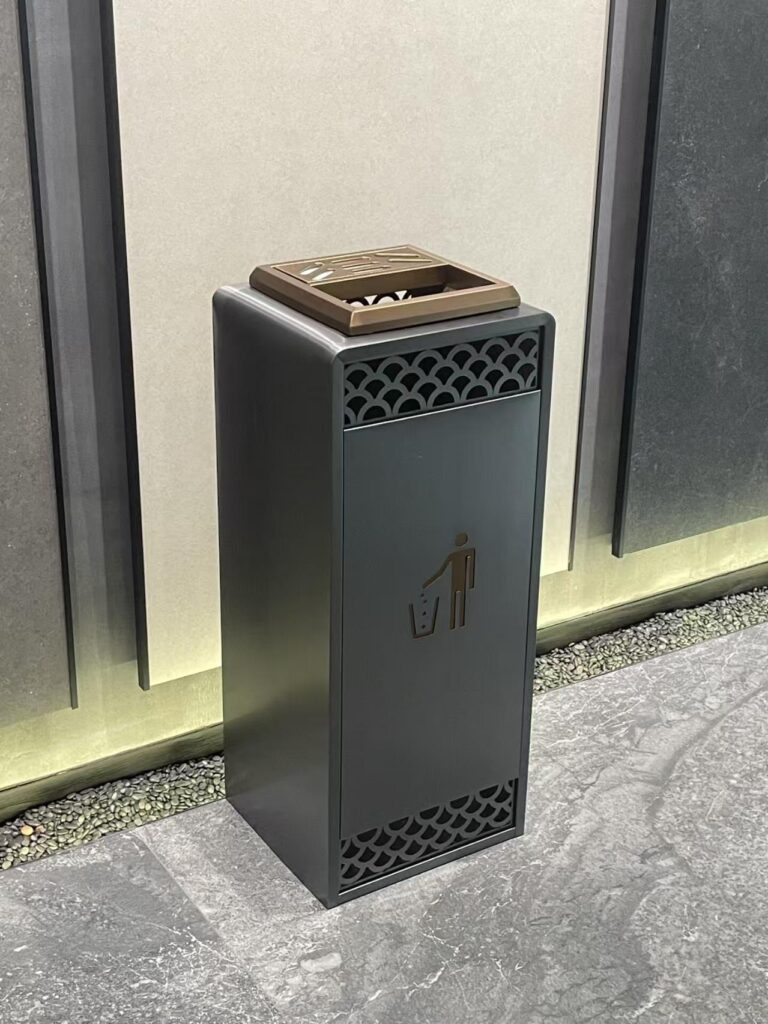
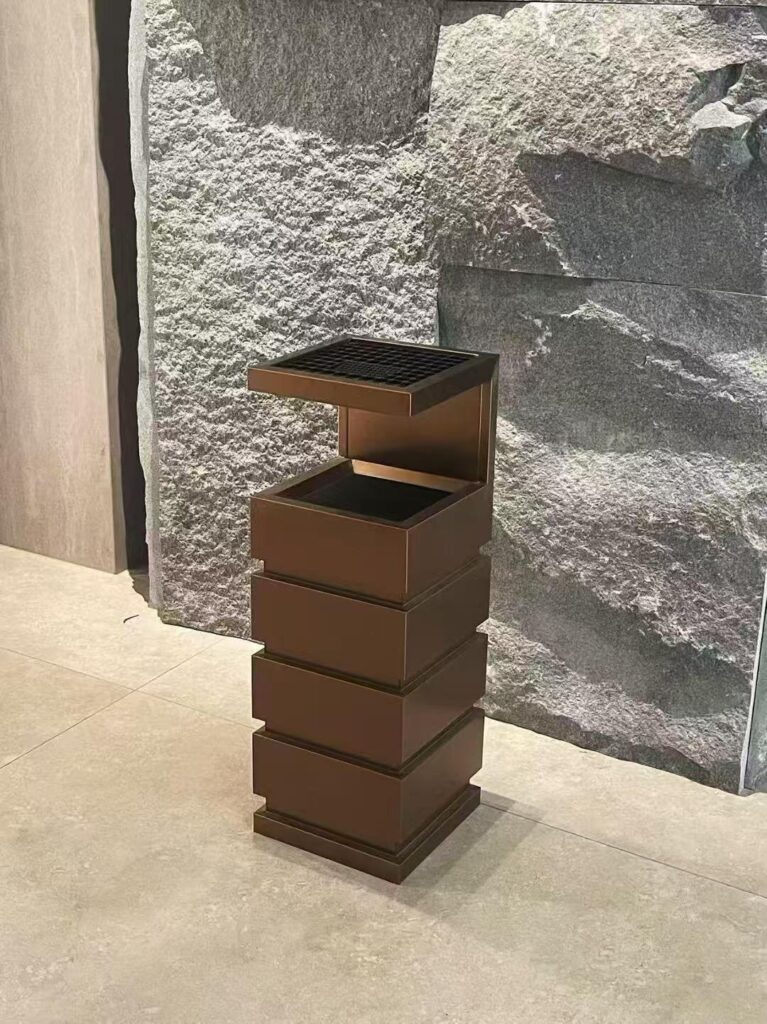
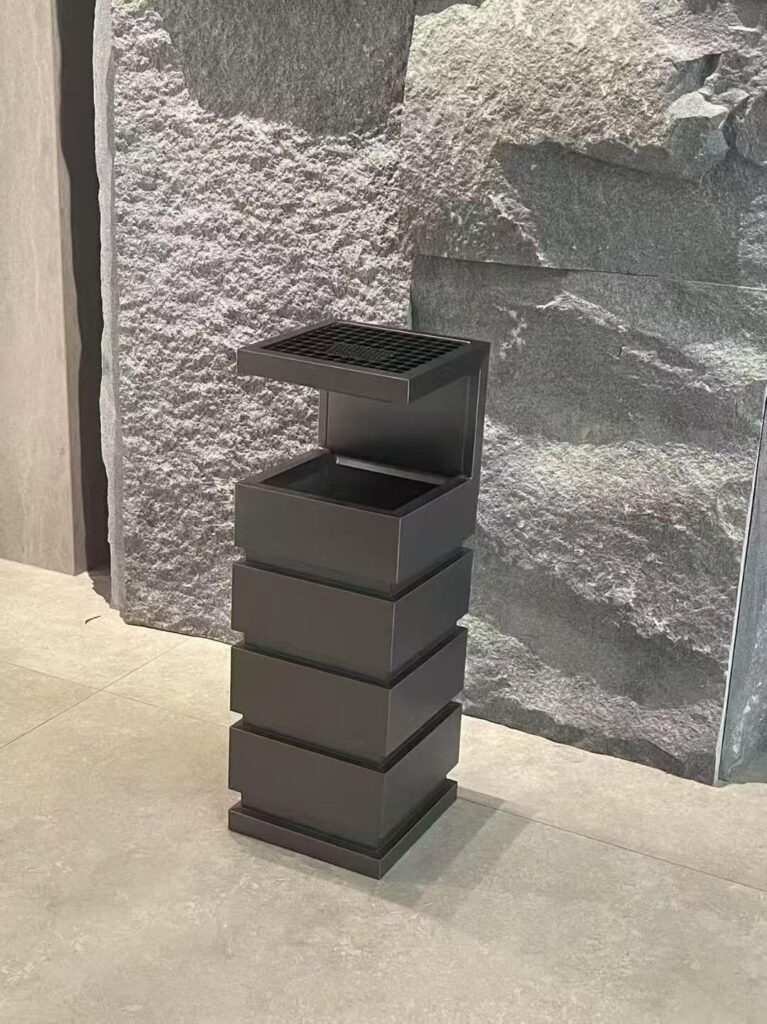
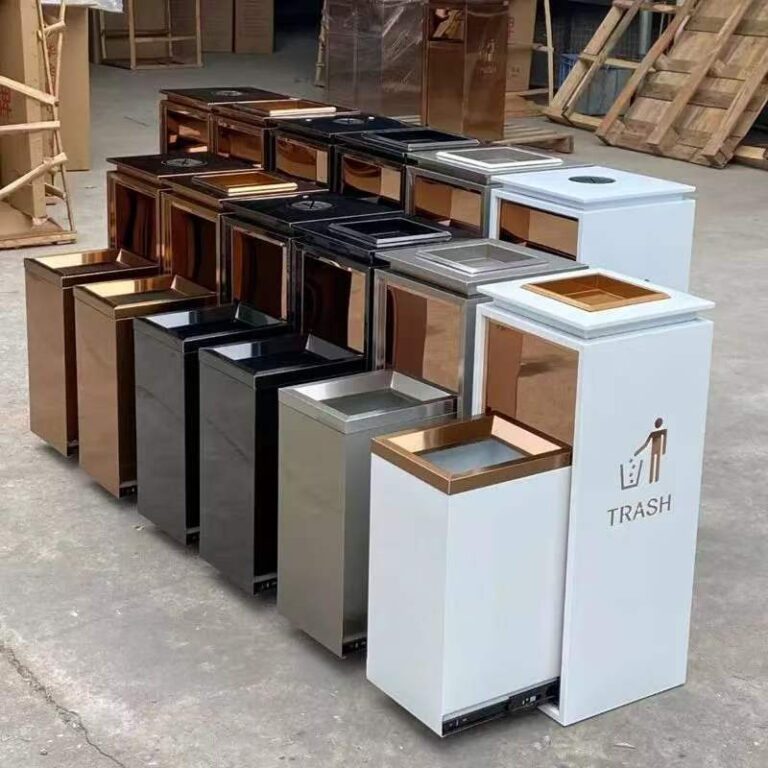
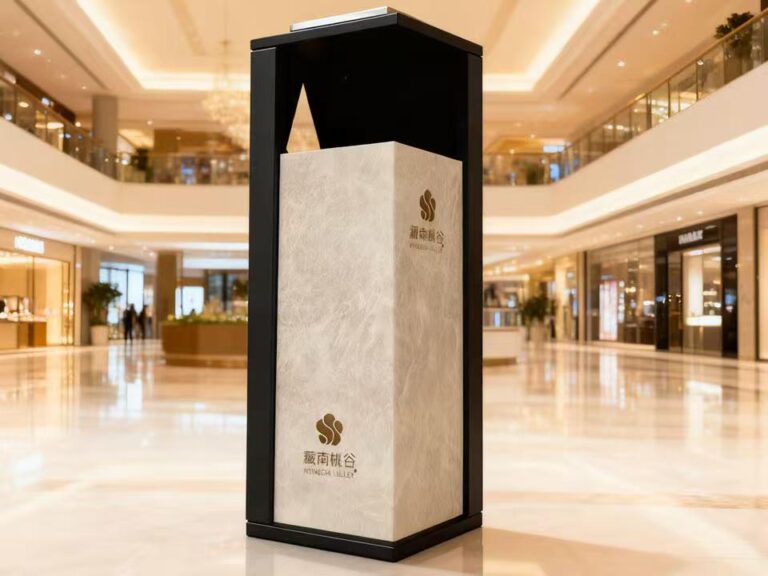
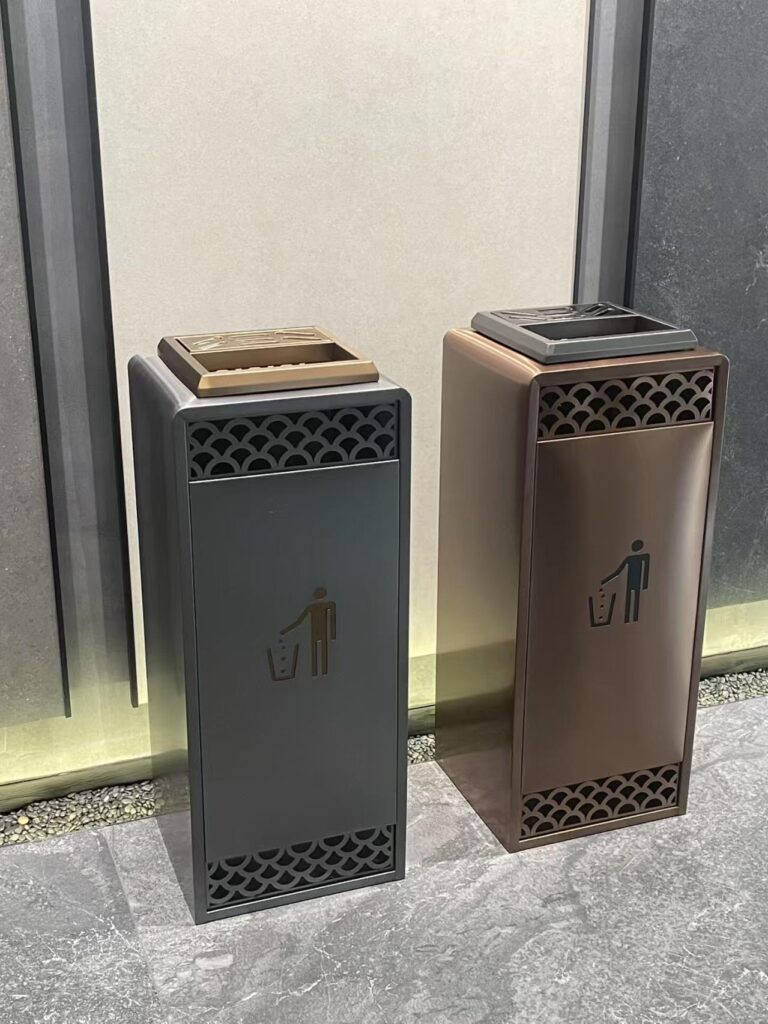
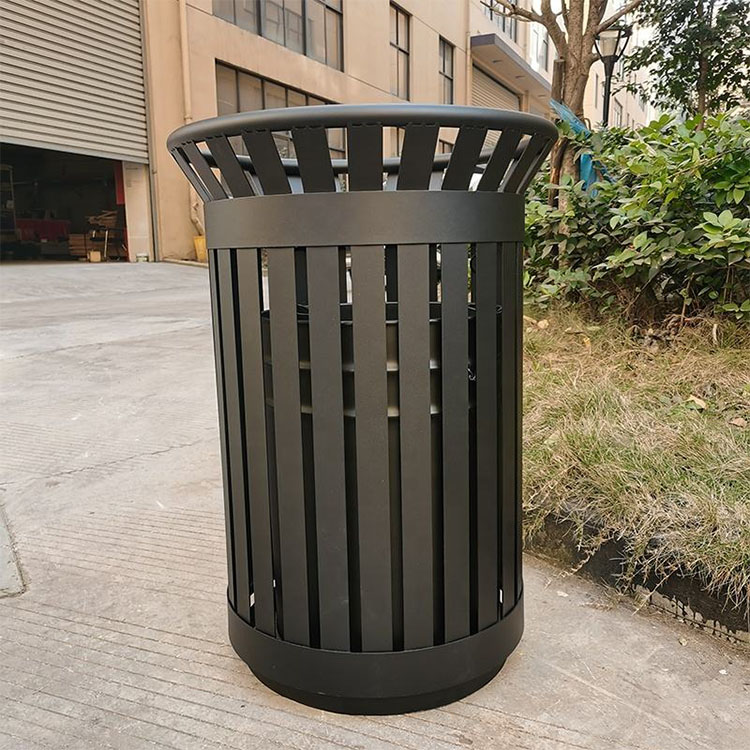
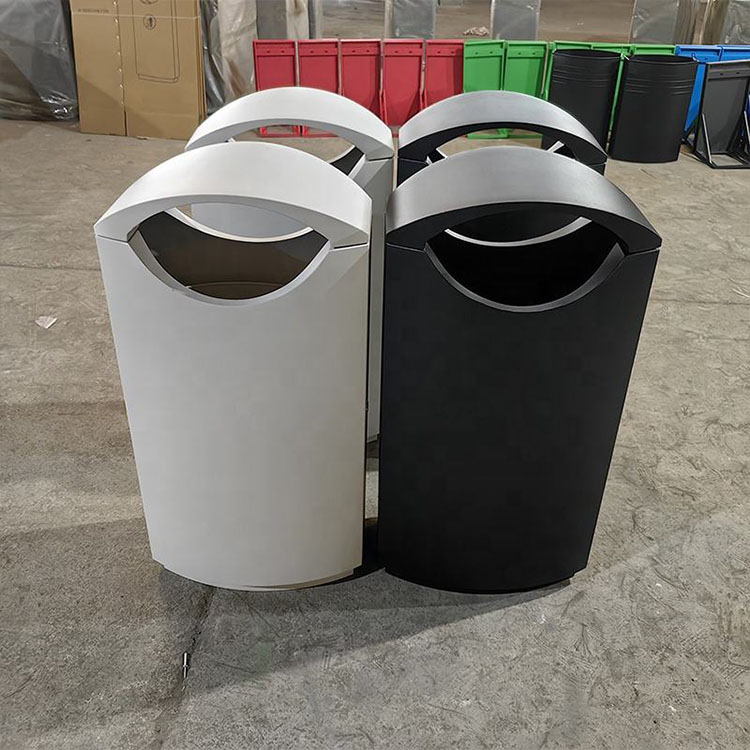
ホテルのリサイクル用ゴミ箱の多くは、次の2つの基準のいずれかを満たせていません。ゴミの分別はそれなりにできているものの、街中の公共設備のような見た目をしているか、あるいはロビーの内装に調和しているものの、ゲストが何をどこに捨てればいいのか全く分からなくなってしまうかのどちらかです。.
見た目はやはり重要だ。.
大理石の受付カウンター、ウォールナット材の壁パネル、そして$12,000のラウンジソファの間にリサイクルステーションが置かれている場合、そのプロポーション、継ぎ目、開口部、ラベル、さらにはライナーのはみ出し部分までもが、購買チームがその事実を認識しているかどうかに関わらず、ゲストの視覚的体験の一部となる。.
では、なぜ改修工事の最終週になっても、まだ設備カタログからゴミ箱を選定しているのでしょうか?
この業界でよく聞かれる「隠す」という答えは、手抜きだと思う。隠された収納スペースは、ゲストが見つけられないため、収納できる物が少なくなってしまう。一方、視覚的に目立つ収納スペースは、インテリアの調和を乱してしまう。より良い解決策は「一体化」だ。つまり、3メートル離れた場所からでも中身が確認でき、1メートルの距離では見た目が美しく、ハウスキーパーが開けた時には使い勝手が良いようにすることだ。.
最終試料ではなく、廃棄物流から検討を始める
木目やブラッシュドメタル、パウダーコーティングの色について検討する前に、ロビーでゲストが実際に何を捨てているのかを確認しましょう。.
コンベンションセンター近くのビジネスホテルでは、ペットボトルの水、アルミ缶、コーヒーカップ、新聞紙、テイクアウト用の容器などが排出される可能性があります。一方、ウェルカムドリンクを提供するリゾートのロビーでは、ガラス瓶、柑橘類の皮、ナプキン、ストロー、半分ほど残ったカップなど、排出物の種類が異なります。このような異なる2つの施設に、同じ3分別ステーションを設置することは、混入を招くことになります。.
2024年4月、ロイター通信が欧州のゼロ・ウェイスト・プログラムについて調査した結果、ミラノではリサイクル率が向上していることが報じられた 87%分の生ゴミ ある都市の 140万人の住民 . 。このシステムでは、5種類の分別ゴミと利用しやすい回収方法を採用していた。観光地として人気の高いスロベニアのブレッドでは、分別ゴミ箱に多言語の表示を掲示したことで混合ゴミが減少し、さらに多くのホテルがゴミの分別を開始した。.
その証拠は、ある不快な真実を浮き彫りにしている。すなわち、洗練されたキャビネットであっても、誤った問いを投げかける分類システムを救うことはできないのだ。.
7日間にわたるロビーの廃棄物監査を実施する。記録:
材質およびおおよその体積
廃棄物のピーク時期
コップやボトルに残った液体
開口部を塞いでしまう特大の物体
各河川で汚染が確認された
回収頻度とライナーの消費量
宿泊客が最も頻繁に使用する言語
次に、2つか3つの流れを選びましょう。4つか5つあれば技術的には網羅的かもしれませんが、人の出入りが激しいホテルのロビーでは、選択肢が多すぎるとゲストの行動を遅らせ、ミスが増える原因となります。.
駅を家具のように扱う
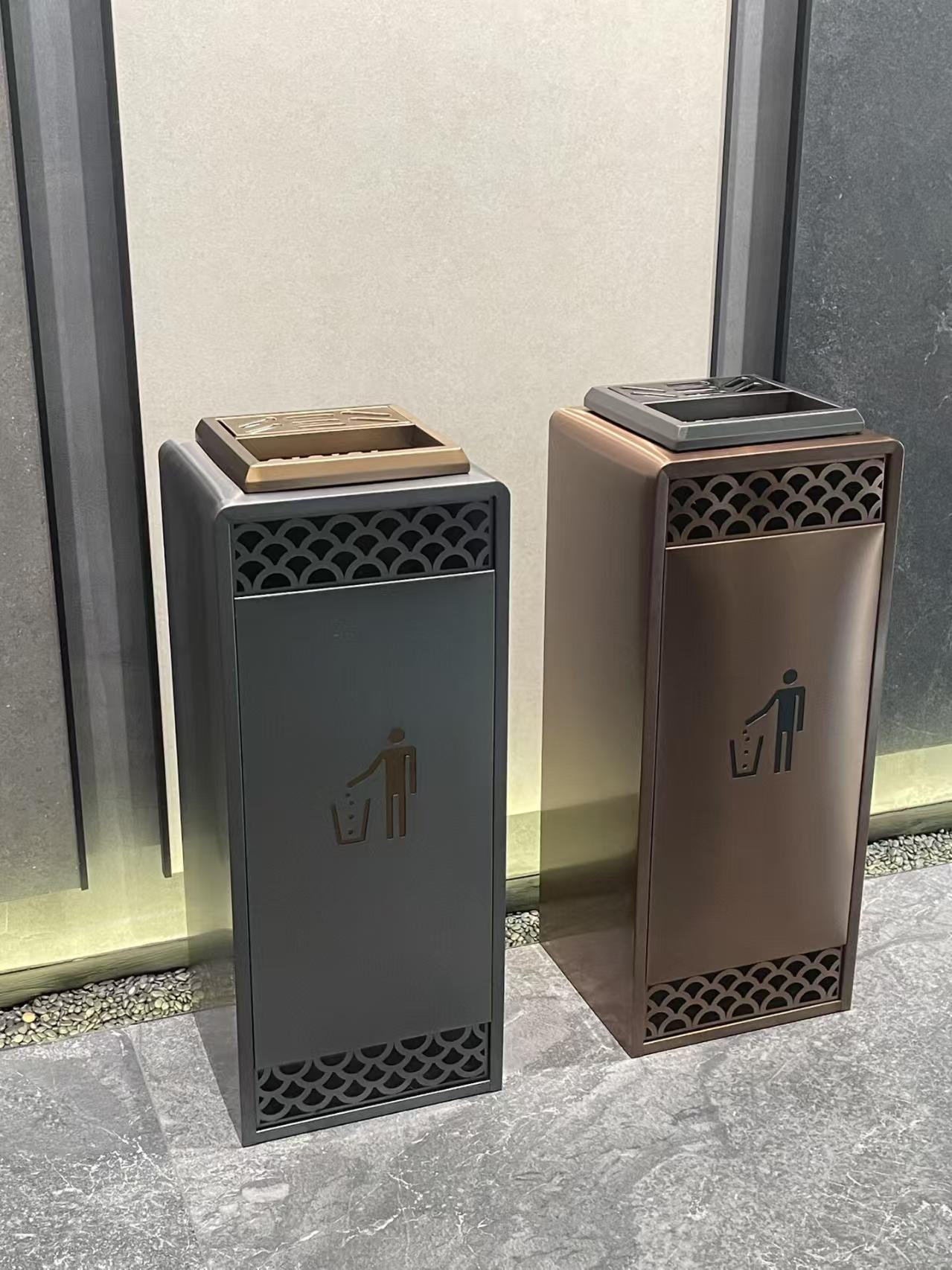
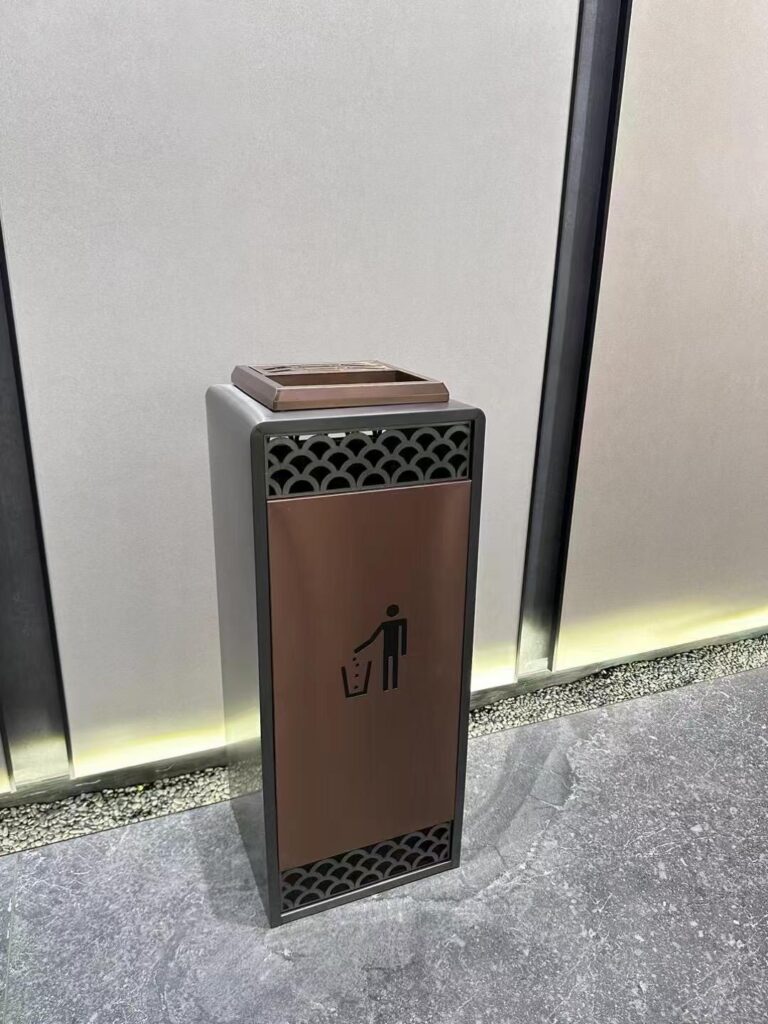
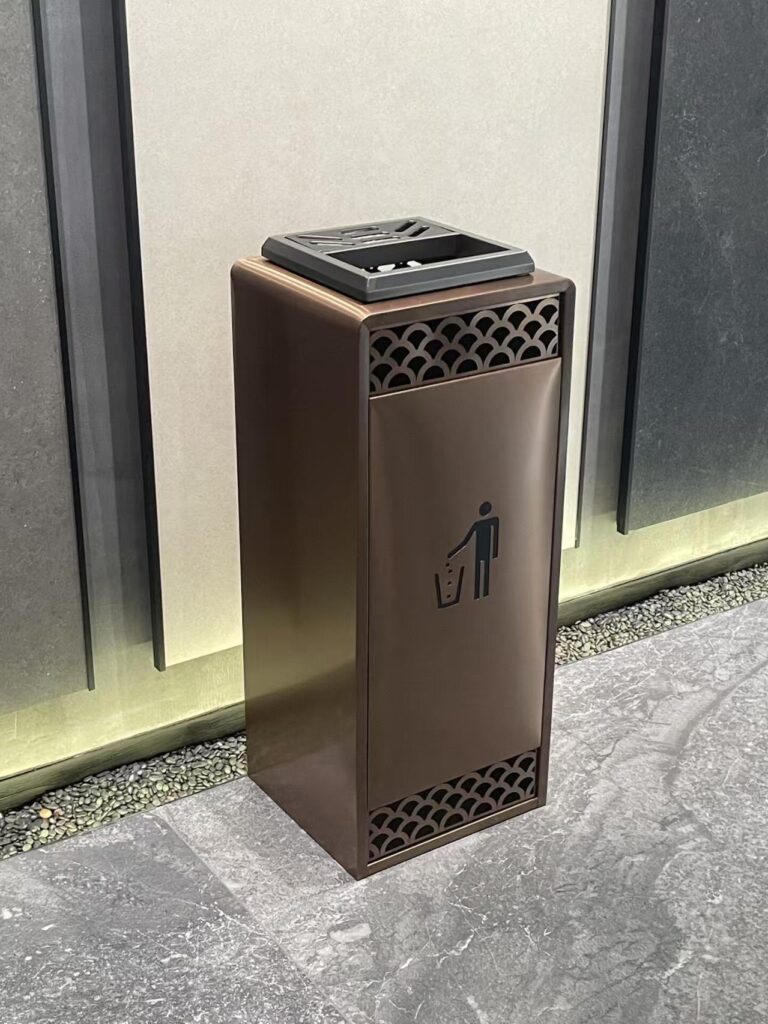
ホテル向けのスタイリッシュなリサイクルボックスは、サイドテーブルのふりをすることなく、ロビーのビジュアルコンセプトに調和すべきです。.
インテリアに淡色のオーク材を使用する場合は、木目が似た交換可能な高圧ラミネートまたはコンパクトラミネートパネルを指定してください。安易に無垢材を要求しないでください。洗浄用化学薬品、こぼれたコーヒー、スーツケースによる衝撃、濡れたモップでの拭き掃除などは、装飾用ベニヤにとって大きなダメージとなります。.
A 木目調パネル付きの高級ロビー用ゴミ箱 このパネルは、木製の建具と組み合わせてもよく調和します。なぜなら、パネルが機械的な印象を和らげてくれるからです。ただし、単にメーカーが提示する色名だけでなく、色調を合わせることが重要です。「ウォールナット」といっても、灰色がかった茶色、オレンジがかった茶色、あるいはプラスチック製のチョコレートに驚くほど近い色を指す場合もあります。.
金属を多用したインテリアには、一般に以下として知られる304ステンレス鋼を使用してください。 18/8ステンレス その理由は、この素材にはおよそ18%のクロムと8%のニッケルが含まれているためです。一般的に、No.4ブラッシュ仕上げは、鏡面仕上げよりも指紋や細かい傷が目立ちにくいです。沿岸部の物件や化学的に過酷な環境では、素材の選定をより慎重に行う必要があります。塩分や塩化物はステンレスの表面を腐食させる可能性があるからです。.
また、本体部分は目立たないようにしてください。色分けは開口部周辺やラベルに施すものであり、キャビネット全体に施すものではありません。.
開口部に「考える」役割を担わせる
読者は、一語一語読み進める前に、その放送局について理解しておくべきだ。.
ボトルや缶には丸い開口部を使用してください。紙類には細長いスリットを使用してください。埋立廃棄物には幅の広い長方形の開口部を使用してください。これは「開口部制限設計」と呼ばれますが、ホテルのスタッフにとっては「形状コード」という表現の方が分かりやすいでしょう。.
とはいえ、開口部は、施設内で実際に発生するゴミを排除してしまうほど狭くしてはなりません。500mLのボトルに合わせて作られた円形の穴では、ミニバーで販売されているより幅の広いPET容器が入らない可能性があります。紙用の投入口は、宿泊客が会議のパンフレットを折りたたんで投入すると詰まってしまう恐れがあります。施設内で実際に販売・配布されている物品を使ってテストを行ってください。.
また、このステーションでは、リサイクル用投入口の横に一般ごみ用投入口も設ける必要があります。イェール大学のゴミ箱設置ガイドラインでは、リサイクル用と一般ごみ用の容器を併設し、ごみが発生する場所の近くに設置すること、およびゴミ箱の溢れを防ぐことを推奨しています。これは、ゴミ箱からごみが溢れ出ると、散乱や汚染の原因となるためです。.
リサイクル用のゴミ箱を単独で設置するのは好ましくない。他にゴミ箱が見当たらない場合、宿泊客は一般ゴミをそこに捨ててしまうからだ。.
海外からのゲスト向けのラベルデザイン
ホテルのロビーにあるリサイクルステーションは、疲れ切った人、気が散っている人、子供、会議の参加者、そして現地の言語が読めないかもしれない宿泊客のために設けられています。洗練された6項目のラベルでは、こうした人々の助けにはなりません。.
4つの情報層を活用してください:
おなじみの色の手がかり
一目でわかる冒頭の形状
長い素材名
採択された作品の写真または簡単なイラスト
そのホテルで見つかったアイテムを表示してください。「さまざまな容器」は抽象的すぎます。「ペットボトル、炭酸飲料の缶、きれいなプラスチックカップ」なら使用可能です。.
ラベルには、最も一般的な異物も記載する必要があります。その地域で紙製のコーヒーカップが回収対象外の場合は、「ここでは回収不可」の欄にその旨を表示してください。ボトルは空でなければならない場合は、次のように記載してください。 まず液体類を空にする 排水口やカップを空にする容器の近く。.
2024年、アイオワ州立大学は、リサイクル品と一般ごみを分別するために、2つのゴミ箱と2枚のポスターを用いた試験的な取り組みについて報告しました。ここから得られる教訓は、すべてのホテルにポスターが必要だということではありません。重要なのは、選択肢を限定し、それを一貫して徹底することこそが、装飾的な曖昧さよりも効果的だということです。.
ロビーにふさわしい駅の建築様式を選びましょう
駅の種類 視覚効果 ソート性能 業務上の弱点 最適な用途 2ストリーム一体型キャビネット すっきりとしていて、まるで家具のような 開口部が異なる場合の最大値 大きなドアパネルは、反ったり、位置がずれたりすることがあります 高級ホテルおよびフルサービスホテル モジュール式の個別ユニット 柔軟性があり、交換も簡単 中~高 隙間があると、グループが即興で組まれたように見えてしまう 改修工事と廃棄物処理制度の変更 上部が開いた金属製の容器 ミニマルでモダン ミディアム 中身や内張りが見える場合があります 利用客の多いビジネスホテル 隠し式スイングドアユニット 静かで目立たない ミディアム お客様はドアに触れるのをためらうかもしれません 食品廃棄物が少ないフォーマルなロビー センサー式ステーション モダンで衛生的 ミディアム バッテリー、センサー、そして開閉の遅い蓋などが故障の原因となる テクノロジーを駆使した物件 耐火性金属製ステーション 詳細に明記されていない限り、機関向けとする 高い 仕上げとプロポーションは綿密に管理する必要がある 厳格な防火対策が講じられているロビー
A オフィスや公共施設向けのスマートセンサー付きゴミ箱 テクノロジーを重視した物件には適しているかもしれませんが、単に「高級感がある」という理由だけでセンサーを指定するのは避けるべきです。蓋の開閉に遅れがあると、宿泊客を苛立たせます。電池が切れると、機器が故障しているように見えてしまいます。.
耐火性能が重要な場合は、その目的のために特別に設計されたものを検討してください 耐火性の屋内ロビー用ゴミ箱 「どのような金属製の箱でも同等の保護性能がある」と安易に想定してはいけません。耐火性は、蓋の形状、酸素遮断性、内部ライナー、接合部、試験方法など、構造全体によって決まります。.
廃棄物に関する意思決定が行われる場所に設置する
その駅は、自然な出発経路沿いに設置されるべきであり、主要な到着視界の内側には設置すべきではない。.
おすすめの場所は次のとおりです:
ロビーの座席エリアとエレベーターへの通路の間
コーヒーカウンターの近くだが、その列の外側
会議場のロビーの出口で
自動販売機や給水コーナーのそば
フロントから客室用エレベーターへと続く通路の近く
避けるべき設置場所としては、大理石のアクセント壁の中央、柱の後ろ、非常口の横、あるいは開いたサービスドアが人の通行の妨げになる場所などが挙げられます。.
スタッフが、液漏れした袋をラウンジのカーペットの上を引きずることなく、ライナーを取り外せるようにします。狭い室内では、通常、上部を持ち上げるタイプよりも前面開閉式のドアの方が使い勝手が良いです。私の見解では、袋を固定する留め具は目立たないものが必須です。黒いライナーの縁が見えていると、それ以外では説得力のあるリサイクルステーションのデザインも台無しにしてしまうからです。.
アクセシビリティも重要です。手の届きにくい方や移動に制限のあるお客様でも利用できるよう、操作部、開口部、およびアクセススペースを確保してください。汎用的な製品図面をそのまま流用するのではなく、プロジェクトに適用されるアクセシビリティ基準に基づいて寸法を確認してください。.
40個を注文する前に、小さな試作品を作ってみましょう
こここそ、オーナーが実質的な節約ができるポイントです。.
提案されたラベルを実物大で印刷します。指定された開口部の形状に合わせて切り抜いた段ボール箱に、それらをテープで貼り付けます。このモックアップをロビーに3日間設置し、その後、中身を点検します。適度な距離を保って観察してください。人々がどこで立ち止まるか、何に触れるか、そしてどの開口部に誤ったゴミが捨てられているかを確認します。
製造開始前にラベルを変更してください。.
特注のラミネートパネルや金属製のファシアは、試作品段階では安上がりですが、40個のキャビネットが納品された後には頭痛の種となります。厳しい現実として、サプライヤーは通常、承認された図面に示されている通りのものを製造します。曖昧な仕様書を、直感だけで修正することはできないのです。.
ホテルのロビー改装や、統一感のないロビーのゴミ箱の交換をご検討の際は、見積もりを依頼する前に、仕上げスケジュール、廃棄物監査、開口部の形状、ラベルのデザイン、メンテナンス用アクセス、および防火要件を比較検討してください。Facility Project Solutionsの室内用廃棄物処理ソリューションをご検討いただき、周囲の空間の雰囲気を損なうことなく、ゲストにも分かりやすいゴミステーションを構築しましょう。.