Share your requirements and target market. We’ll suggest the right configuration, sampling path, and production plan.
During business hours, We can usually provide a preliminary quote within two hours.
: workflow-based setups to improve efficiency and keep corridors tidy
: easier bag changes and maintenance, built for daily facility use
: 1–3 stream options with clear icon/label systems to reduce contamination
: materials, finishes, branding & packaging locked for consistent reorders
Your info is used only for quoting and communication.
How Hotels Can Build a Low-Contamination Recycling Program
Most hotel recycling programs fail because the bins look nice but the system behind them is lazy. This guide shows how hotels can cut recycling contamination with better placement, clearer signage, staff training, vendor rules, and waste tracking.
I’ve opened those “recycling” liners before.
Not glamorous.
A lobby bin looks civilized from ten feet away — brushed metal, tidy label, maybe a little green icon that makes the GM feel good during the property walk — but inside, after breakfast rush or a wedding teardown, you’ll often find coffee, napkins, orange peels, plastic wrap, wet receipts, one crushed beer can, and a paper cup wearing the shame of bad design.
So let’s stop pretending the guest is always the problem.
Here’s the ugly truth: a hotel recycling program usually fails before the guest touches the bin. The failure starts when someone buys containers before mapping the waste stream. It starts when housekeeping gets no cart space. It starts when the banquet crew is told to “separate recyclables” while they’re flipping a ballroom in 18 minutes. It starts with a laminated sign that says “Mixed Recycling” — which, frankly, means almost nothing to a tired traveler holding a latte.
A bin is not a program.
According to the 2024 U.S. Green Lodging Trends Report, 80.6% of U.S. hotels say they have recycling in back-of-house areas, and roughly three out of four report recycling in guestrooms and front-of-house spaces. Sounds good on paper. But here’s the nasty little number: less than 1% track discarded waste, and less than 1% track recyclables.
That means a lot of hotels are managing recycling by mood.
And mood doesn’t survive a Saturday banquet.
Hotel recycling contamination starts where nobody wants to look
But first — forget the pretty lobby.
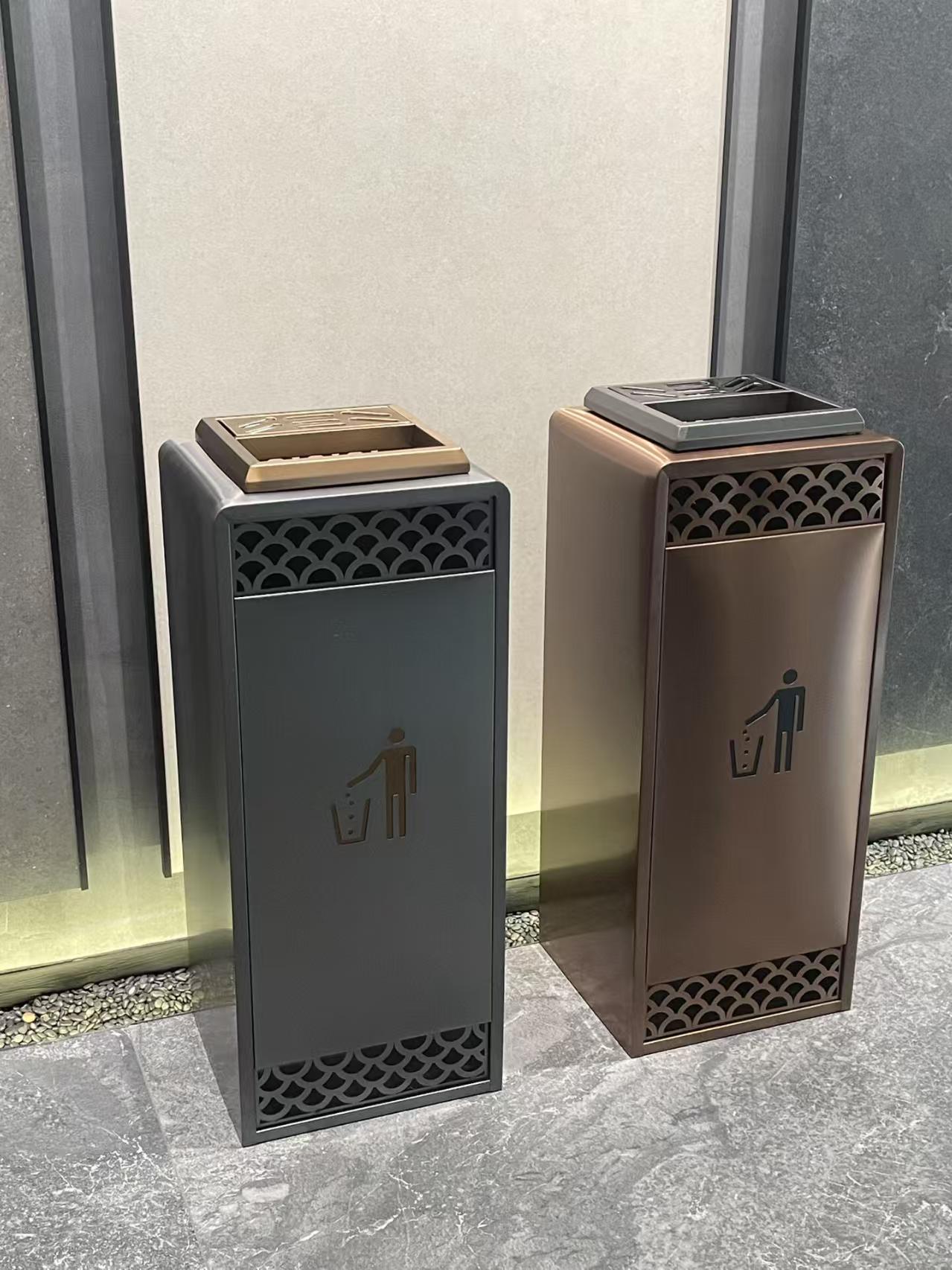
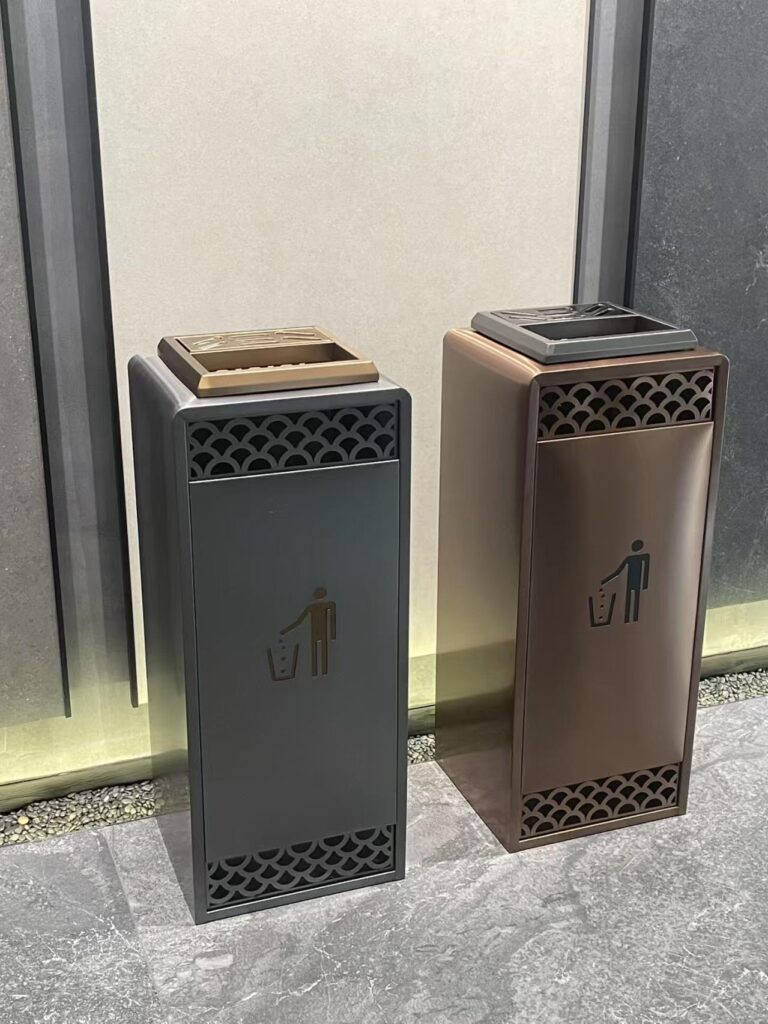
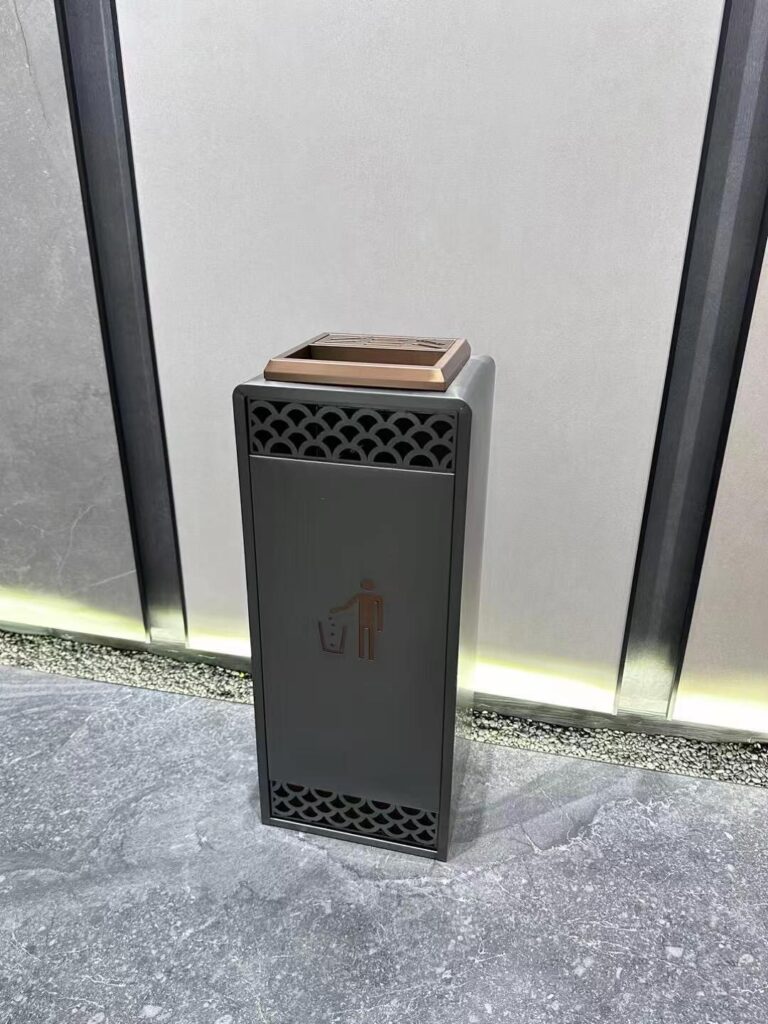
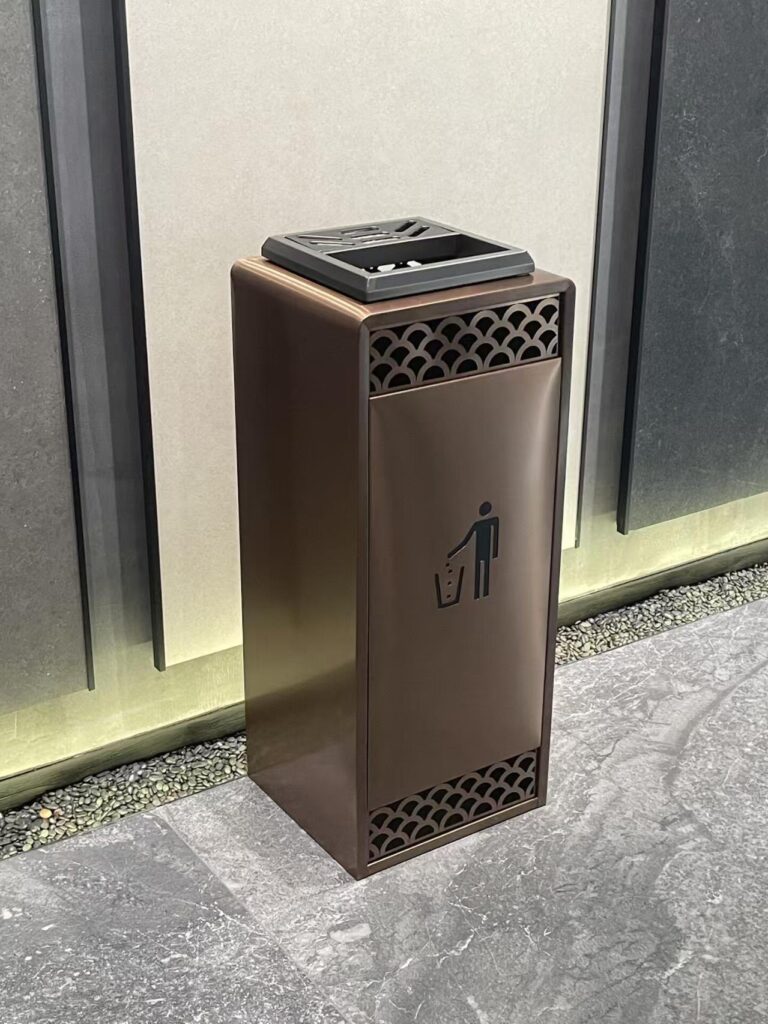
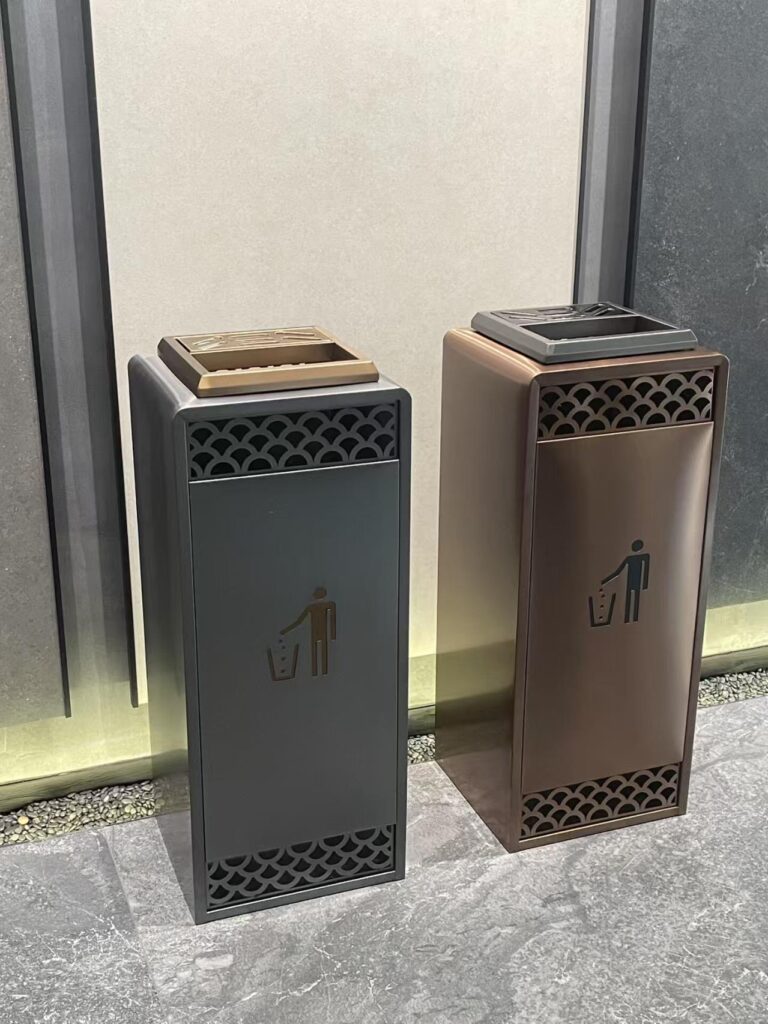
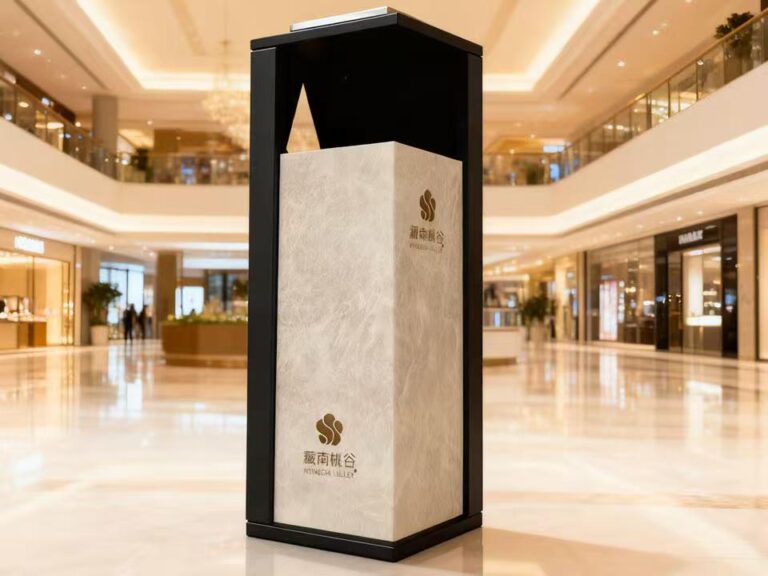
Yes, the lobby matters. I’m not saying a front-of-house station should look like a loading dock. If your property uses a marble-pattern lobby trash receptacle or a stainless steel lobby litter bin, fine. Good. Guests notice sloppy waste areas faster than management wants to admit.
Still, the real contamination fight happens in uglier corners.
Housekeeping closets. Breakfast buffets. Service corridors. Banquet staging areas. Loading docks. Employee break rooms. The dish return zone where liquids go to die.
That’s the battlefield.
Hotel waste isn’t office waste. Office waste has rhythms: paper, coffee cups, lunch containers, delivery boxes. Hotel waste is a weird animal. It changes by hour, department, guest segment, event type, and occupancy. A Tuesday corporate breakfast does not produce the same stream as a Saturday quinceañera, and a 220-room limited-service property doesn’t behave like a resort with pool bars, spa amenities, and three restaurants.
Different beast.
Contamination happens when non-recyclables — food, liquid, napkins, tissues, plastic bags, flexible film, ceramics, textiles, chemicals, half-full bottles — enter the recycling stream and make the load more expensive, less valuable, or flat-out unacceptable.
And downstream? Nobody wants to babysit your mess.
EPA’s recycling infrastructure assessment estimates the U.S. needs about $36.5 billion to $43.4 billion in investment to improve curbside collection, drop-off systems, material recovery facilities, composting, anaerobic digestion, and related infrastructure. That’s not a rounding error. That’s a system already straining under bad inputs, underbuilt processing, and wishful sorting behavior. Read EPA’s Recycling Infrastructure Assessment and you’ll see the subtext: clean material matters.
I frankly believe hotels need to hear this more often: if your property can’t keep food and liquids out of recycling at the point of disposal, you don’t have a low-contamination recycling program.
You have a green bin with trust issues.
Map the dirty zones before buying one more container
Start with a walk.
Not the polished sustainability-tour walk with clipboards and smiles. I mean the slightly annoying version: open bins, look inside liners, ask room attendants what actually happens on cart runs, watch breakfast cleanup, stand near the banquet corridor after an event, and check the loading dock when cardboard is wet because someone staged it near mop water.
Do this for three days.
Why three? Because one day lies. Monday checkout waste is different from weekend event waste, and breakfast contamination is different from late-night lobby trash. If you only observe one shift, you’ll design around a snapshot and then act surprised when the program breaks.
I’d map the hotel into five waste zones first:
Hotel Zone
Typical Waste
Main Contamination Risk
Best Control Move
Guestrooms
Bottles, cans, paper, amenity packaging
Food, tissues, liquids, mixed trash
Simple two-bin system with housekeeping sorting rules
Lobby / FOH
Coffee cups, bottles, snack wrappers
Liquid residue, wrong-bin tossing
Paired recycling and trash bins with visual labels
If recycling bins sit alone, people use them as trash cans. This is not a moral failure. It’s disposal psychology. A guest with a half-full coffee cup will use the closest opening. A server holding three wet napkins and a plastic bottle won’t walk across the corridor to sort correctly unless the layout does half the thinking for them.
So pair every recycling station with landfill waste. Same visibility. Same footprint. Same access. Different opening shape. Different label. No lonely blue bin sitting twelve feet away like a virtue signal.
That lonely bin is where contamination goes to breed.
Your hauler’s accepted list beats your sustainability slogan
Here’s where I see hotels make a very expensive mistake.
They design around what “should” be recyclable.
No. Stop.
Recyclable in theory is not the same as accepted in your local program. A PET water bottle may be accepted. A black plastic tray may not. Glass might work in one city and be a headache in another. Greasy pizza boxes? Depends. Paper cups with polyethylene lining? Don’t assume. Plastic bags? Usually a nightmare in single-stream bins because they wrap around MRF equipment.
Ask the hauler for a written accepted-materials list.
Not a brochure. Not a friendly email saying “most common materials.” A real list your staff can operationalize.
Then write labels from that list only.
Hotels love elegant category labels: “Paper.” “Plastic.” “Metal.” “Glass.” Looks clean. Reads fancy. Performs badly. Guests don’t think in commodity categories or resin codes. They think in objects: water bottle, soda can, napkin, banana peel, coffee cup, shampoo bottle, room-service container, wine bottle.
Use object language.
Say this:
Recycle: empty plastic bottles, aluminum cans, clean paper Trash: food, napkins, coffee cups, plastic bags Empty liquids first
That’s better than “mixed recyclables.” Much better.
And don’t hide the “no” items. Put them right there. Food. Liquids. Napkins. Plastic bags. If your hotel has a big coffee footprint, show a coffee cup on the trash side. If events generate plastic film, show plastic film as “no.” Stop making guests decode municipal waste policy before they’ve had breakfast.
Mini-bottle rules are a warning shot, not a side note
But the amenities issue? That’s where waste reduction is sliding into compliance.
New York State’s DEC says hotels, motels, apartment hotels, and boarding houses cannot provide small plastic bottles under 12 ounces for hospitality personal care products. For properties with 50 or more rooms, the rule starts January 1, 2025. Smaller properties follow January 1, 2026. The products include cleansing, conditioning, and moisturizing items — shampoo, conditioner, body wash, lotion. The state lays it out on its Small Plastic Hospitality Bottles page.
That’s not “nice to have” sustainability. That’s compliance.
Europe is moving the same direction. Reuters reported that EU negotiators reached a packaging waste deal tied to recyclable packaging by 2030, reduction targets, and bans on certain single-use plastics, including mini hotel shampoo bottles in the broader packaging crackdown. The EU packaging waste deal also points to packaging waste rising more than 20% over the last decade.
Hotels should read this as a signal: amenity waste is no longer background noise.
Switching to bulk dispensers helps, yes. But don’t congratulate yourself too early. You still have refill cartons, damaged pumps, leftover product, plastic wrap, cardboard cases, and housekeeping cart overflow. I’ve seen teams “reduce plastic” and then create a back-of-house sorting mess because nobody redesigned the room-attendant workflow.
That’s why a custom linen amenity cart for hotels can matter more than the sustainability deck suggests. Give attendants separated space for linens, refill stock, recoverable amenities, trash, and clean recyclables. Otherwise everything becomes one rolling junk drawer with wheels.
Not elegant.
Operationally honest, though.
Staff SOPs beat guest education almost every time
Guests contaminate bins in public. Staff contamination hides in the back.
That’s why management often misdiagnoses the issue. They see one guest throw food into recycling and decide the answer is “better guest education.” Sometimes, sure. But if housekeeping is combining guestroom recycling and trash in the same bag, your guest signage is theater. If banquet staff dump half-full wine bottles into mixed recycling, your lobby label doesn’t matter. If breakfast employees toss cartons with liquid residue into paper, congratulations — you just soaked the fiber stream.
The program needs department-level SOPs.
Short ones.
Not a twenty-page PDF saved in a folder nobody opens. One page. Laminated if needed. Written for the shift, not the boardroom.
Department
SOP Rule
Why It Matters
Housekeeping
Keep guestroom recyclables separate during cart collection
Prevents clean bottles and cans from becoming trash
Banquets
Assign one waste lead per event teardown
Stops rushed crews from mixing food, glass, décor, and cardboard
F&B
Empty liquids before containers enter recycling
Liquids contaminate paper and cardboard fast
Front Desk / Lobby
Check public bins during high-traffic windows
Prevents overflow and guest “pile-on” behavior
Engineering
Stage bulbs, batteries, e-waste, and chemicals outside normal recycling
Avoids hazardous contamination and vendor penalties
Purchasing
Reduce materials that local haulers won’t accept
Prevention beats sorting every time
And yes, hardware still matters.
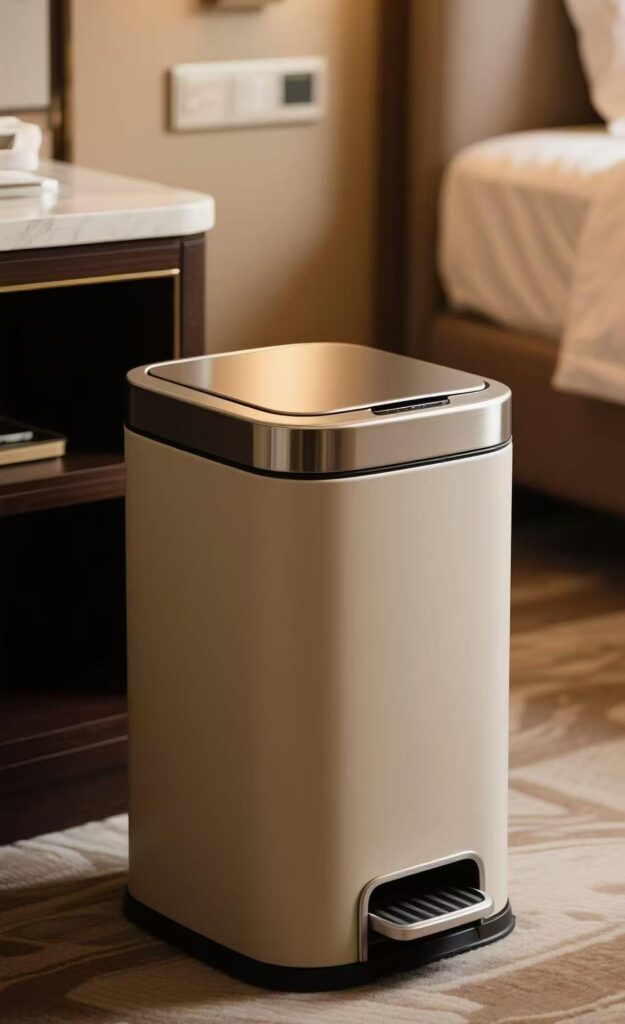
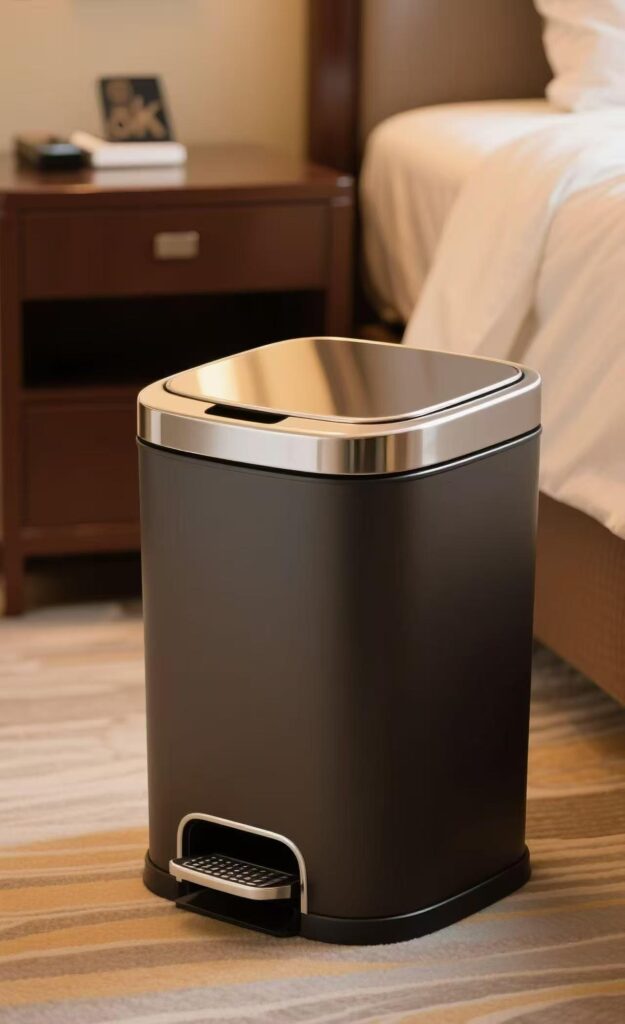
In high-traffic areas, a motion sensor trash can for high-traffic areas can reduce touchpoints and keep disposal cleaner around lobbies, restrooms, breakfast zones, and conference traffic. But don’t get hypnotized by the sensor. A smart lid won’t fix a dumb layout.
The bin is the prop.
The SOP is the machine.
Measure contamination, not “how many bins we bought”
I’ll say the quiet part: hotels love easy sustainability numbers because easy numbers look good in reports.
Bins installed. Staff trained. Signs printed. Vendor contacted. Great. Those are activity metrics. They don’t prove recycling quality.
You need contamination checks.
Once a week during rollout, pick three zones: guestroom floor, lobby/front-of-house, and back-of-house. Pull three bags from each. Open them. Estimate visible contamination by volume. Don’t overcomplicate it. You’re not running a lab. You’re trying to learn whether the stream is clean enough to keep value.
Use a simple scorecard:
Metric
Target
Red Flag
Recycling contamination rate
Under 10% by visible volume
Over 20%
Bags checked per week
9 minimum
Fewer than 3
Overflow incidents
0 per week
Any recurring location
Staff sorting errors
Downward trend
Same error after retraining
Nine bags a week will teach you more than a year of feel-good signage.
The first audit will be annoying. Someone will say, “We don’t have time for this.” Fine. But you already have time to pay for rejected loads, dirty recyclables, excess hauling, and sustainability claims you can’t verify?
That math doesn’t pencil.
If you find coffee cups in lobby recycling every morning, don’t scold guests. Move the trash bin closer to the coffee station. Add a liquid-dump spot if volume justifies it. Change the label image. If banquet recycling contains food scraps after every event, assign a teardown captain and separate organics first. If cardboard is wet at the dock, fix staging.
You don’t need a committee. You need feedback loops.
Waste reduction is where the margin hides
Recycling gets the attention. Purchasing creates the waste.
That’s the part many hotel teams miss because it sits upstream, buried in vendor specs, F&B contracts, amenity programs, event packaging, and procurement habits nobody wants to reopen.
The 2024 U.S. Green Lodging Trends Report says 83.5% of hotels have a waste reduction plan, 60.5% engage suppliers to minimize waste, and 45.4% report diverting food waste. I like those numbers. I also distrust them a little, because without measurement they can drift into checkbox territory fast.
Here’s my bias: supplier engagement is where serious properties separate themselves from greenwashers.
If your breakfast vendor ships product in black plastic trays your recycler won’t take, the sorting team can’t save you. If banquet décor arrives wrapped in foam and stretch film, the loading dock inherits the problem. If amenity refills come with excessive secondary packaging, housekeeping pays the labor cost. If coffee cups aren’t locally accepted, stop pretending they belong in recycling because the cup has a leaf icon.
Put waste language into purchasing specs.
Use plain rules:
Favor clean corrugated cardboard that can be flattened and staged dry.
Choose PET #1, HDPE #2, aluminum, and accepted glass only where your hauler confirms acceptance.
Avoid black plastic, foam, multilayer sachets, plastic film, and mixed-material packaging when alternatives exist.
Require vendors to take back pallets, crates, refill containers, and bulk packaging where practical.
Review event suppliers before large banquets, not after the trash hits the dock.
Boring? Maybe.
But boring is where waste bills shrink.
Pilot the hotel recycling program before you scale it
A property-wide rollout feels efficient.
It isn’t.
If you roll out eighty bins at once and the labels fail, now you have eighty failure points. If room attendants don’t have cart space, you’ve multiplied the problem across every floor. If breakfast guests dump liquids into paper recycling, you won’t know whether the issue is signage, placement, cup type, or traffic flow because everything changed at the same time.
Pilot first.
Watch where the system breaks. Fix the breakage. Then expand.
Week
Action
Output
Week 1
Waste walk, hauler interview, accepted-materials list
Because the alternative is launching a broken program loudly, then spending six months explaining why guests “just don’t understand recycling.” Guests understand plenty when the system is designed like it was built for real humans. What they don’t understand is a vague green bin across the room with a label written by someone who has never cleaned a breakfast area at 9:12 a.m.
Guest education should be almost insultingly simple
Give them an eight-second decision.
Use item photos. Use fewer words. Use direct “yes/no” examples. Put trash and recycling together. Make the wrong choice slightly harder.
Try this:
Recycle: empty bottles, cans, clean paper Trash: food, napkins, coffee cups, plastic bags Empty liquids first
That’s enough.
And if you’re worried it’s too plain for a premium hotel, I’ll push back. Clarity is not cheap. Confusion is cheap. Confusion is what creates dirty loads, staff rework, and the awkward ESG claim nobody can defend when asked for data.
Weekly checks are not glamorous. They’re useful. They show whether the lobby sign failed, whether housekeeping needs cart changes, whether banquet teardown is mixing food with glass, and whether purchasing keeps bringing in materials the hauler won’t accept.
Build the system before buying more bins
A hotel recycling program is not a badge.
It’s a working system.
And a working system has unromantic parts: cart compartments, dry cardboard staging, paired bins, staff scripts, hauler lists, liquid control, contamination checks, event teardown rules, and purchasing specs that don’t dump unrecyclable packaging into operations.
From my experience, the hotels that get recycling right are rarely the ones with the fanciest sustainability language. They’re the ones willing to open the bag, look at the mess, and fix the exact point where the stream gets dirty.