Share your requirements and target market. We’ll suggest the right configuration, sampling path, and production plan.
During business hours, We can usually provide a preliminary quote within two hours.
: workflow-based setups to improve efficiency and keep corridors tidy
: easier bag changes and maintenance, built for daily facility use
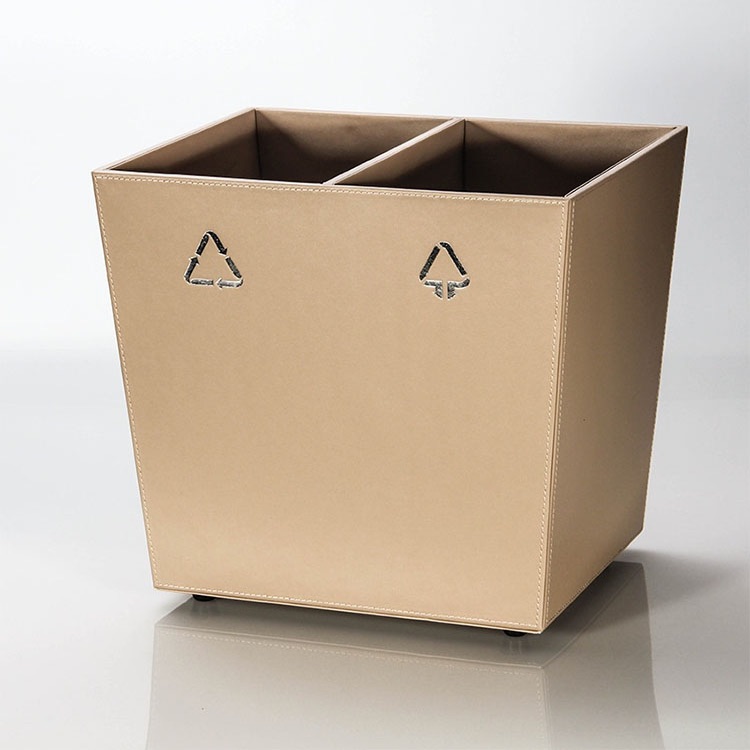
: 1–3 stream options with clear icon/label systems to reduce contamination
: materials, finishes, branding & packaging locked for consistent reorders
Your info is used only for quoting and communication.
What Size Trash Bin Is Best for Hotel Guest Rooms?
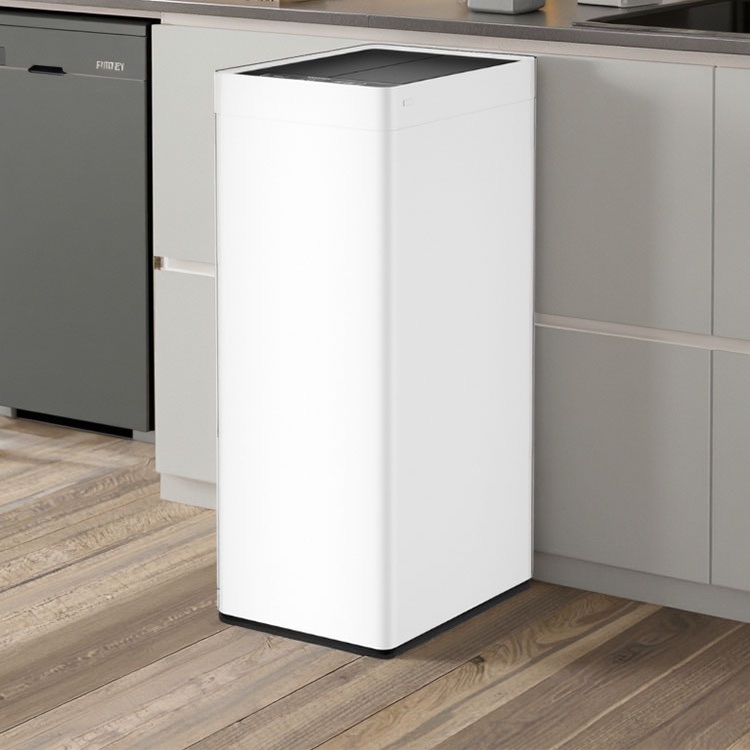
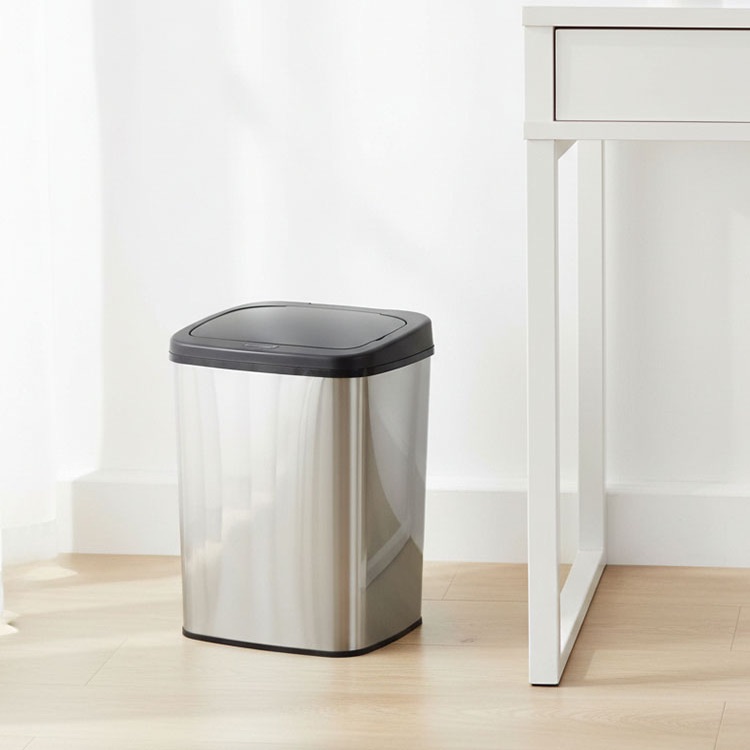
I think most hotels overspec guest room wastebaskets and then act surprised when rooms look cluttered, liners show, and attendants lose seconds they do not have. The practical answer is tighter than most buyers want to hear: 10–14 liters for the main room bin, 5–8 liters for the bathroom, and only suites or extended-stay rooms should move materially bigger.
Ten liters wins.
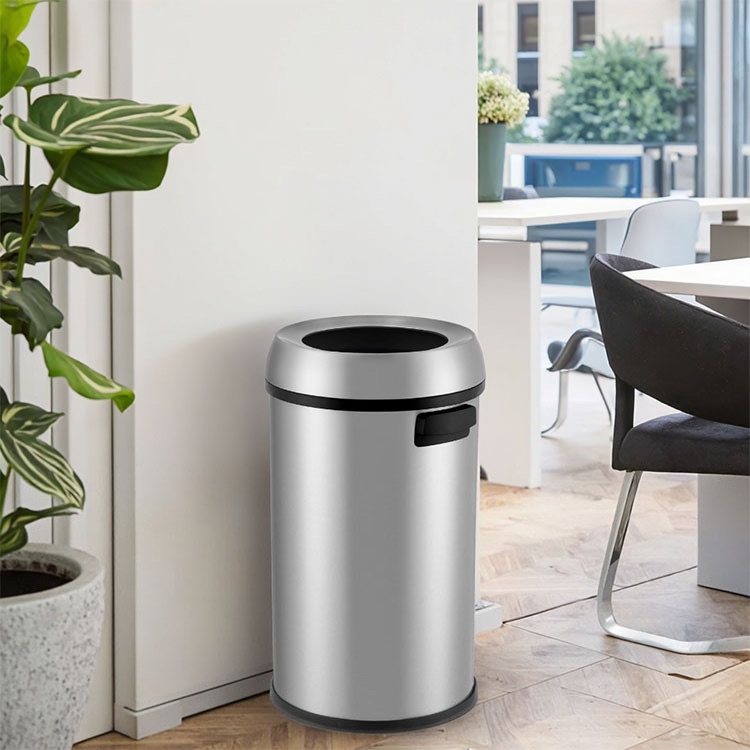
In most standard hotel guestrooms, I would spec a 10–14 liter hotel room trash can for the main room, because that size handles the actual waste profile of a one- or two-night stay without eating floor area, inviting lazy overflow, or turning a tidy guest room into a mini janitor’s closet. Why are so many hotels still buying bins like decorative props instead of labor equipment?
Here is the hard truth I wish more suppliers said out loud: the wrong bin size is not a style mistake, it is a workflow tax. Green Seal’s 2024 Guidebook for Hotels & Lodging Properties estimates that each hotel guest generates about 2 pounds of waste per night, and that is before you factor in delivery packaging, coffee pods, wet amenity wrappers, and the ugly habit of guests using one bin for everything because the room gives them no other choice.
And guests notice.
A 2024 hotel-recycling survey reported by Hospitality Net found that 88% of travellers factor sustainability into booking decisions, while 58.7% believe hotels do little or nothing to recycle bathroom amenities; in plain English, the bin is no longer invisible hardware, it is part of the guest’s judgment about whether the property is disciplined or pretending.
Table of Contents
The sweet spot is smaller than most buyers think
I have watched procurement teams buy 18- to 20-liter guestroom bins because they looked “premium” on a sample table, and then wonder why the finished room felt tighter, the vanity zone looked heavier, and attendants had to wrestle with deeper liners for no operational gain. That is not premium. That is bad spec discipline.
My unpopular opinion? A guest room bin should almost never look generous. It should look intentional. Once the container starts reading like back-of-house hardware, you have already lost the room.
Size is housekeeping math, not decor
Labor is expensive.
The U.S. Bureau of Labor Statistics reported 397,640 maids and housekeeping cleaners employed in traveler accommodation in May 2023, at a mean hourly wage of $16.28, and the American Hotel & Lodging Association’s June 2024 staffing survey said 76% of surveyed hotels were dealing with staffing shortages, with 50% naming housekeeping as the top hiring need. So every silly bin decision, every extra liner fight, every awkward bend into an overdeep basket, multiplies across one of the most stressed labor pools in the building.
And the injury story is uglier than procurement decks admit. A 2024 systematic review on hotel housekeepers and cleaners found the most affected body areas were the low back at 53.9%, shoulders at 41.4%, and wrists/hands at 40.1%. Deep containers, bad reach angles, and unnecessary lifting are not small annoyances; they stack onto an existing strain problem.
My recommendation matrix for hotel guest room trash bins
I do not believe in one-size-fits-all spec sheets. I believe in room-type math.
Room Type
Main Room Bin Size
Bathroom Bin Size
What I’d Buy
Why
Standard select-service room
10–12 L / 2.6–3.2 gal
5–6 L / 1.3–1.6 gal
Compact open-top bin with concealed liner
Enough for one-night waste without crowding desk, vanity, or minibar zone
Full-service upscale room
12–14 L / 3.2–3.7 gal
5–8 L / 1.3–2.1 gal
Slightly more refined finish, same hidden-liner logic
Guests generate more packaging, but the room still needs visual restraint
Junior suite or family room
14–16 L / 3.7–4.2 gal
6–8 L / 1.6–2.1 gal
Main bin with inner bucket or liner ring
More food packaging, more tissues, more guest count
Extended-stay suite
16–20 L / 4.2–5.3 gal
6–8 L / 1.6–2.1 gal
Larger main bin only if service cadence is reduced
Groceries, takeout, and multi-day waste justify the bump
Accessible guest room
10–12 L / 2.6–3.2 gal, slim footprint
5–8 L / 1.3–2.1 gal
Narrow-profile bin placed outside required clearances
Capacity stays practical, but placement discipline matters more than size
This is my line in the sand: 10–14 liters is the best default for most hotel room trash cans, 5–8 liters is the right companion size for bathroom bins, and anything above 16 liters in a normal guest room should trigger a very blunt question from operations: what problem are we actually solving here?
The ADA mistake buyers keep repeating
Placement matters.
The U.S. Access Board’s ADA Accessibility Standards require a 30-by-48-inch clear floor space and a 60-inch turning space in relevant accessible conditions, which means a trash bin that is “small enough” can still be badly placed enough to create a compliance headache or simply make the room feel careless in use. Why do so many teams obsess over finish samples and ignore clearances measured in inches?
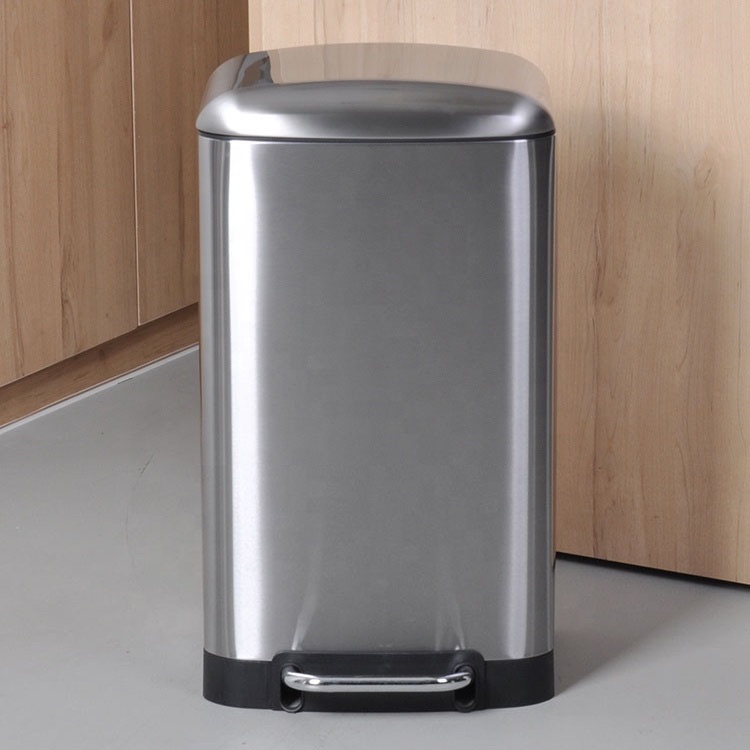
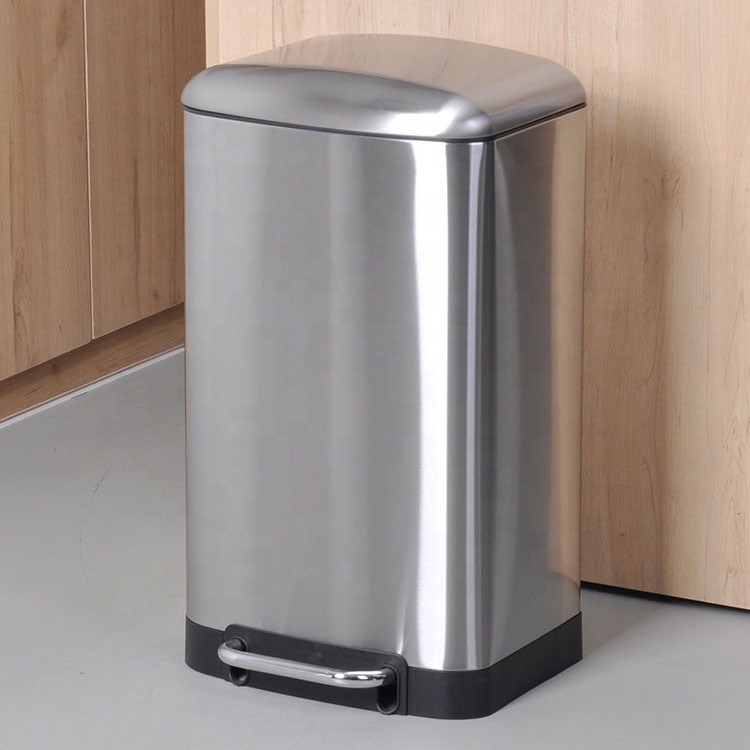
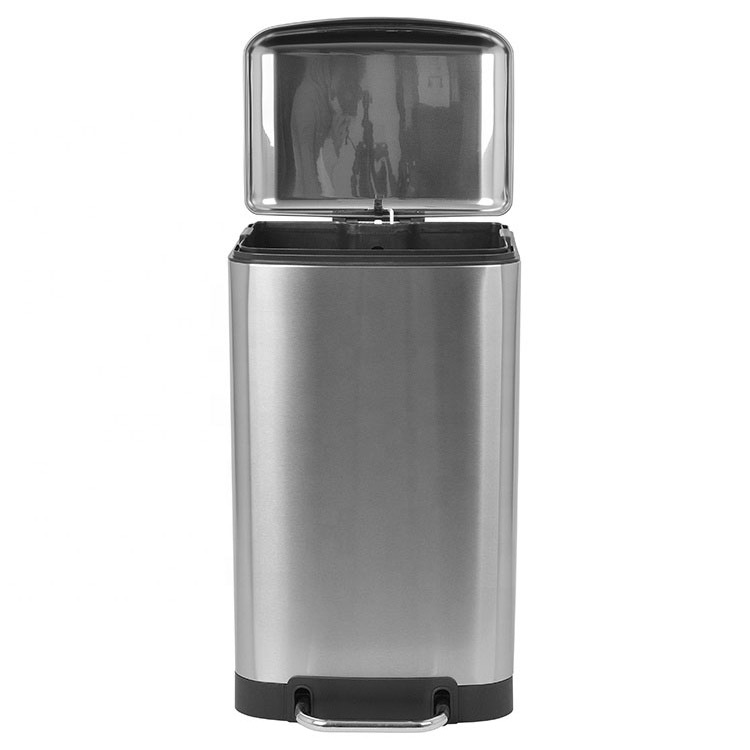
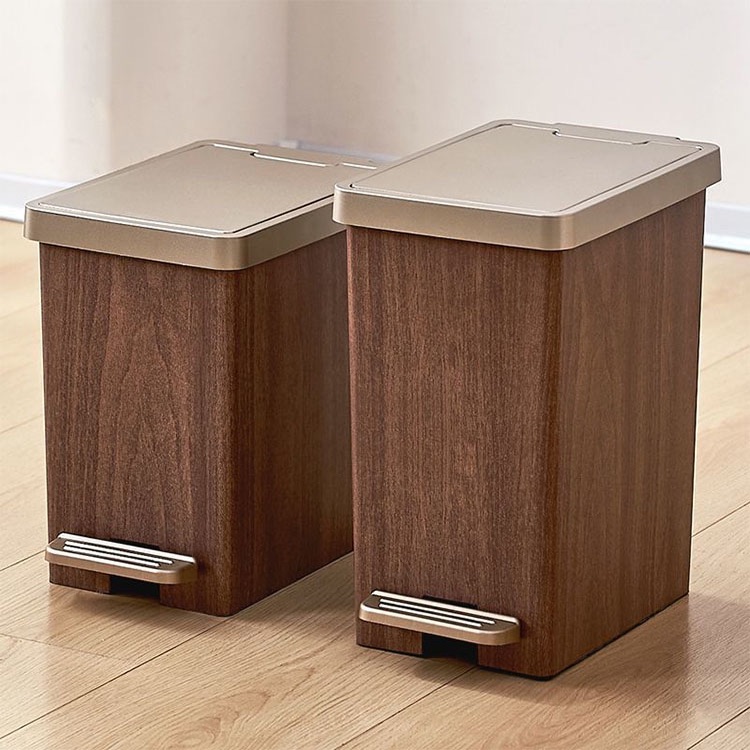
This is where the bathroom bin deserves its own logic. A pedal bin for hotel bathrooms in stainless steel can absolutely work in a guest bath, and I like the hygiene argument, but only when the bin sits outside required clear spaces and does not turn the vanity or toilet zone into an obstacle course. The bin is not the villain. Thoughtless placement is.
The internal linking path this site should exploit
This site is already halfway to a strong cluster. It has the category page, the specific product pages, and the sustainability bridge. What it needs is discipline.
And I would not stop there. I would explicitly connect guest-room bin size to broader waste-program credibility, because serious operators are already treating waste hardware as a brand and cost issue. On Host Hotels’ 2024 environmental projects page, the company notes that the JW Marriott Houston by The Galleria diverted more than 80% of construction waste from landfills during a guestroom-tower renovation. That is not the same thing as in-room bin sizing, obviously. But it proves the point I keep making: good hotel groups no longer treat waste systems as invisible junk.
FAQs
What size trash bin is best for hotel guest rooms?
The best size for a standard hotel guest room trash bin is usually 10 to 14 liters, because that capacity handles one-night waste from tissues, coffee cups, amenity wrapping, and takeaway packaging without creating a bulky silhouette, difficult liner changes, or lazy overflow habits inside the room. I would only go smaller for very tight rooms and only go bigger when the room type or service model truly justifies it.
Should hotel rooms have a separate bathroom trash bin?
A separate hotel bathroom bin is a smaller secondary receptacle, usually 5 to 8 liters, placed near the vanity or toilet so guests can dispose of tissues and hygiene waste without walking back into the bedroom or overloading the main guest room trash can. In practice, this makes the room feel cleaner and keeps the main bin from becoming a mixed-waste mess.
Is a small trash can better for hotel rooms?
A small trash can is better for hotel rooms only when “small” means proportionate rather than undersized, which in practice means a compact 10- to 12-liter main bin with a concealed liner for standard rooms, not a tiny office basket that overflows after one delivery bag and two coffee cups. I am against undersizing just as much as I am against oversized guestroom barrels.
What size trash bin works best for suites and extended-stay rooms?
Suites and extended-stay rooms need a larger main wastebasket, generally 14 to 20 liters, because the waste profile shifts from short-stay tissue-and-cup disposal to groceries, delivery packaging, and multi-day amenity consumption that can swamp a standard hotel room waste bin. But I still would not default to the top end unless housekeeping cadence is reduced and guest behavior data backs it up.
Do accessible guest rooms need different trash bin sizes?
Accessible guest rooms do not always require larger trash bins, but they do require slimmer footprints and smarter placement so the wastebasket does not intrude on the 30-by-48-inch clear floor space or the 60-inch turning space required by ADA accessibility standards. Same capacity, better discipline. That is usually the right answer.
Your next step
Stop buying by eye.
Walk ten live rooms across at least two room types, measure where the current hotel room trash can actually sits, photograph liner visibility at checkout, count overflow incidents for 30 days, and time one attendant through bag changes with your current bin versus a 10–14 liter concealed-liner option. Then make the decision the adult way: with room geometry, service cadence, staffing pressure, and guest optics all on the same sheet.
If you are publishing this on Facility Project Solutions, I would push readers from this page into the category page first, then into the right-fit product page, and only then into the sustainability story. That is better SEO. More importantly, it is better buying.