Share your requirements and target market. We’ll suggest the right configuration, sampling path, and production plan.
During business hours, We can usually provide a preliminary quote within two hours.
: workflow-based setups to improve efficiency and keep corridors tidy
: easier bag changes and maintenance, built for daily facility use
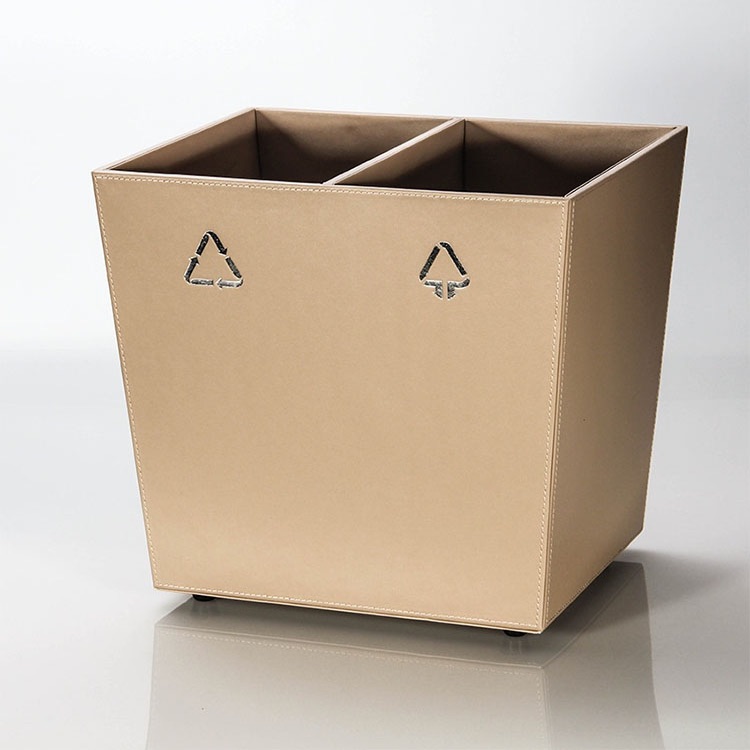
: 1–3 stream options with clear icon/label systems to reduce contamination
: materials, finishes, branding & packaging locked for consistent reorders
Your info is used only for quoting and communication.
How to Choose Luggage Cart Carpet Decks for Durability and Branding
Most buyers get luggage cart carpet decks wrong because they shop the finish first and the operating route second. I would do the opposite. This guide breaks down what actually drives durability, what makes branding look expensive instead of fake, and how to spec a bellman cart carpet deck that still looks respectable after peak season.
Table of Contents
Most buyers are shopping the wrong part
Start here.
I have watched too many procurement teams obsess over brass tone, tube polish, and brochure photography while ignoring the one surface that takes the daily beating: the luggage cart carpet deck, the exact zone that absorbs suitcase drag, wet wheels, zipper abrasion, threshold shock, and the bell staff’s habit of pivoting hard because the lobby is short-staffed and the check-ins will not wait. Why do people still buy these things like jewelry?
The hard truth is ugly. In the U.S. Bureau of Labor Statistics’ 2023 data, hotels (except casino hotels) and motels posted a total recordable injury and illness rate of 4.1 cases per 100 full-time workers, with 2.4 cases involving days away, restriction, or transfer; that is not some abstract HR footnote, that is operating friction showing up in bodies, shifts, and payroll. Then layer in Reuters’ April 2024 reporting that hotel staffing per occupied room was down 13% from 2019, even as 2023 U.S. hotel revenue per available room hit a record $97.97. Fewer hands. Same baggage. More rush. That is exactly why deck stability and maneuverability matter more than catalog glamour.
And yes, I checked the site before writing this. The smartest internal entry point is the hotel luggage trolley collection, but the page that really gives away the buying logic is the internal guide on how to choose heavy-duty luggage carts for resorts. Read them together and the pattern is obvious: this is not a “pretty cart” problem; it is a route, load, clearance, and surface-control problem.
Durability starts below the pile, not above it
Buy for abuse.
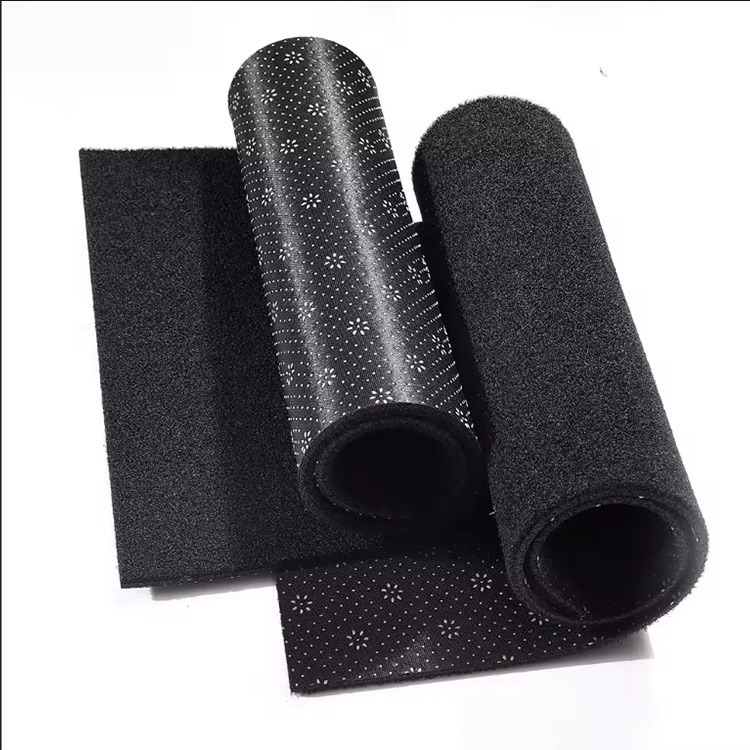
A durable luggage cart carpet deck is not “a nice carpet glued to a board.” It is a system: substrate, adhesive, edge treatment, pile density, caster behavior, and replacement logic. Miss one layer and the whole thing starts looking tired long before the frame dies.
My bias is simple. I would rather buy a cart with boring metalwork and a disciplined deck build than a flashy bellman cart with weak edge binding and bargain casters. That is not theory. The site’s own Heavy Duty Bellman Luggage Cart with Carpeted Deck leans into the right message: the carpeted platform helps steady loads, protect luggage, and support controlled movement through corridors and elevators. That framing is smart because a carpet deck is not décor; it is load management.
What I would spec before I approved a PO
Here is the table I wish more buyers forced suppliers to fill out.
Component
Cheap version that fails first
Spec I would actually want
What goes wrong in the real world
Brand effect
Carpet fiber
Thin needle-punch PET
Solution-dyed polypropylene (PP) or nylon 6,6 with dense commercial pile
Mats down, holds stains, looks bald by quarter two
Makes the whole cart look tired
Sub-deck
Thin MDF or low-density board
Sealed plywood or reinforced steel-supported deck
Sags, swells, traps odor after wet luggage
Guests read it as neglect
Edge finish
Glue-only carpet wrap
Mechanical trim plus stitched or locked binding
Peels at corners and starts fraying fast
Cheapens a luxury lobby instantly
Branding method
Printed sticker or surface decal
Inlaid logo insert, woven emblem, or tightly controlled embroidery
Scratches, fades, lifts, looks aftermarket
Off-brand, amateur, forgettable
Caster package
Small hard wheels
5-inch to 6-inch non-marking TPR or PU casters with serviceable bearings
Chatter, drag, bad threshold control
Staff looks clumsy, walls get hit
Replacement plan
None
Spare deck kit, color code, lead time, install SOP
Cart stays in service looking half-dead
Brand inconsistency spreads property-wide
That table is opinionated on purpose. I have seen too many “durable luggage cart carpet deck” claims collapse because the supplier hid behind tube gauge while the deck edges unraveled, the board softened, or the carpet started holding sand, makeup, and sunscreen like a crime scene. Fancy frame. Bad deck. Same old story.
Route logic beats showroom logic every time
Measure first.
If the cart cannot move cleanly through the property, you do not have a spec, you have a future complaint. The U.S. Access Board’s ADA guidance still calls for a 36-inch continuous clear width on accessible routes, with reductions to 32 inches only at limited pinch points such as doorways. OSHA’s materials-handling rule is just as plain: where mechanical handling equipment is used, safe clearances have to be allowed through aisles, doorways, and turns. So when I hear someone say “the deck size looked fine in the showroom,” I hear “we skipped the corridor audit.”
That is why the OEM Birdcage Hotel Luggage Cart with Bumper matters in this conversation even though this article is about carpet decks. Its product copy is built around wrap-around bumper protection, non-marking casters, and smooth steering through corridors and elevators. In other words, the site is quietly telling you the same thing I am: the deck does not live alone. It succeeds or fails inside a moving system that includes route width, wall protection, wheel material, and turning behavior.
So what do I check? Elevator sill height. Porte-cochère slope. Corridor turn radius. Wet-to-dry floor transition. Staff habit. Group arrival pattern. Wedding garment load. I also ask one annoying question suppliers hate: what fails first after 12 months in a busy resort or convention hotel? If they dodge, I move on.
Branding is not decoration, and pretending otherwise is expensive
Brand sells.
But not the way amateurs think. A custom logo luggage cart carpet is not valuable because the logo exists. It is valuable because the guest sees one more consistent signal that the property has standards, money, and control. Sloppy branding does the reverse. It tells the guest the hotel spent on shine and skipped discipline.
Reuters reported in March 2024 that branded hotels are increasingly attractive to owners and lenders; Marriott said 40% of its 2023 organic room signings came from conversions, and Reuters also cited a case in Connecticut where the first Spark conversion saw more than 45% of guests come from Hilton Honors members within the first two months. That is not a cart story on its face. I know. But the inference is obvious: when brand affiliation is valuable enough to influence financing, distribution, and booking behavior, guest-facing equipment cannot be treated like anonymous hardware.
I would go further. I think many hotels sabotage their own premium positioning with bad small-format branding. Wrong carpet color. Logo stitched too large. Cheap contrast thread. Edge binding in a near-match instead of an exact match. That is how you turn “luxury cue” into “procurement compromise.”
Facility Project Solutions already hints at the broader brand-standard logic in its branded hotel trolley with storage compartments page and its Sustainable Hotel Supplies for Multi-Property Rollouts page, where the language is about polished presentation, repeatable reorders, consistent standards, and long-life, repairable cart families. That is the right frame. A hotel luggage cart carpet deck should be specified like a repeatable branded component, not a one-off accessory.
What good branding on a bellman cart carpet deck actually looks like
I want restraint.
Use the property’s exact Pantone-adjacent color family, not “close enough burgundy.” Keep the logo centered and proportionate. Avoid oversized embroidery that traps dirt and distorts the pile. If the property runs multiple cart types, standardize the same logo geometry and deck color logic across bellman carts, housekeeping carts, and adjacent service gear, or the visual system falls apart the minute two carts appear in the same lobby shot. That is why the internal site structure matters: the luggage trolley pages, custom cart pages, and sustainability pages all support the argument for standardization rather than random purchasing.
The buying mistakes I would not excuse
Three words only.
Too vague. Too cheap. Too late.
The first mistake is buying replacement luggage cart carpet only after the original deck looks embarrassing. Then procurement scrambles, color matching drifts, and suddenly one cart in the lobby looks wine-red, another looks maroon, and the “brand standard” becomes a joke.
The second mistake is ordering a hotel luggage cart carpet deck without asking for the replacement path up front. I want deck insert dimensions, pile spec, edge-treatment method, logo file requirements, MOQ, lead time, and whether the supplier can lock a repeatable color standard over 12 to 24 months. Otherwise you are not buying a system. You are buying a future mismatch.
The third mistake is thinking branding and durability are trade-offs. They are not. The best luggage cart carpet deck for branding is almost always the one that stays flat, clean, and color-consistent under real abuse. The logo is the last layer. The operating discipline underneath is the real product.
FAQs
What is a luggage cart carpet deck?
A luggage cart carpet deck is the load-bearing platform surface on a bellman or hotel luggage cart, usually made from a rigid sub-deck plus bonded carpet, and its job is to stabilize baggage, reduce slip, mute noise, protect hard-shell luggage, and support a polished guest-facing appearance during daily transport.
That is the definition. In practice, I judge it by four things: edge wear, stain resistance, how it handles wet luggage, and whether it still looks on-brand after peak season.
What material is best for a durable luggage cart carpet deck?
The best material for a durable luggage cart carpet deck is a commercial-grade carpet system with dense pile, stain resistance, stable edge finishing, and a moisture-tolerant sub-deck, because durability comes from the full assembly rather than from fiber choice alone or from whatever buzzword a catalog decides to highlight.
My preference is boring and effective: dense commercial carpet, sealed substrate, serviceable trim, and a parts plan written into the quote.
Can a hotel add a custom logo to a luggage cart carpet deck?
Yes, a hotel can add a custom logo to a luggage cart carpet deck through embroidery, woven inserts, or inlaid branding, but the logo only works when its scale, color control, and placement match the property’s visual standards and the deck material can survive constant abrasion without distortion.
I would keep the logo tighter and cleaner than most vendors suggest. Bigger is usually worse.
When should you replace a bellman cart carpet deck?
A bellman cart carpet deck should be replaced when the pile mats flat, the edges fray, the deck traps odors or stains that no longer lift, the logo loses legibility, or the surface stops stabilizing luggage and starts signaling neglect in front-of-house traffic.
My rule is blunt: replace before guests notice, not after accounting finally does.
Your next step
Do the audit.
Measure the route, inspect the abuse pattern, and decide whether your real problem is slipping luggage, stained decks, ugly logo execution, wall contact, or inconsistent reorders. Then spec the luggage cart carpet deck as a branded operating component, not as decorative trim.
If you are building this page for search and conversion, keep the internal path tight: send readers first to the hotel luggage trolley collection, then to the Heavy Duty Bellman Luggage Cart with Carpeted Deck, and then to the adjacent guides and custom-cart pages that reinforce repeatable standards. That is the commercial logic. More importantly, it is the honest one. A good deck protects luggage. A better one protects the brand.