Share your requirements and target market. We’ll suggest the right configuration, sampling path, and production plan.
During business hours, We can usually provide a preliminary quote within two hours.
: workflow-based setups to improve efficiency and keep corridors tidy
: easier bag changes and maintenance, built for daily facility use
: 1–3 stream options with clear icon/label systems to reduce contamination
: materials, finishes, branding & packaging locked for consistent reorders
Your info is used only for quoting and communication.
Why Removable Inner Buckets Matter in Hotel Trash Bins
Most hotel buyers still judge wastebaskets by finish, shape, and unit price. I think that is backwards. The real decision sits inside the bin: whether housekeeping gets a removable inner bucket that lifts out cleanly, contains leaks, and keeps service time from bleeding across every floor, every day.
Small detail. Big consequence. When I evaluate hotel trash bins, I do not start with brushed steel, faux leather, matte black powder coat, or whatever finish procurement is obsessing over that week; I start with the service path, because the real question is whether a room attendant can empty, reliner, wipe down, and move on without drips, liner slippage, or extra hand contact slowing the room turn. Why are so many buyers still treating the inside of the bin like an afterthought?
I will say the quiet part out loud: the wrong hotel wastebasket is labor drag disguised as décor. And in hospitality, labor drag is expensive, cumulative, and usually invisible until a supervisor starts asking why a floor is running late, why bathroom bins smell off by 3 p.m., or why guest room wastebasket liners keep peeking out like plastic ears in an otherwise polished room.
Table of Contents
The labor problem is hiding inside the bin
Here is the hard math. The U.S. Bureau of Labor Statistics counted 417,160 maids and housekeeping cleaners in traveler accommodation in May 2024, while the broader accommodation and food services sector showed a 4.7% quits rate in late 2024; at the same time, Reuters reported that 10,000 U.S. hotel workers went on strike in September 2024 and some hotels saw housekeeping disruptions, and Bloomberg Law reported that the D.C. Circuit backed findings against Hilton Anchorage after renovations increased room-cleaning burdens without bargaining. That is not background noise. That is operating context.
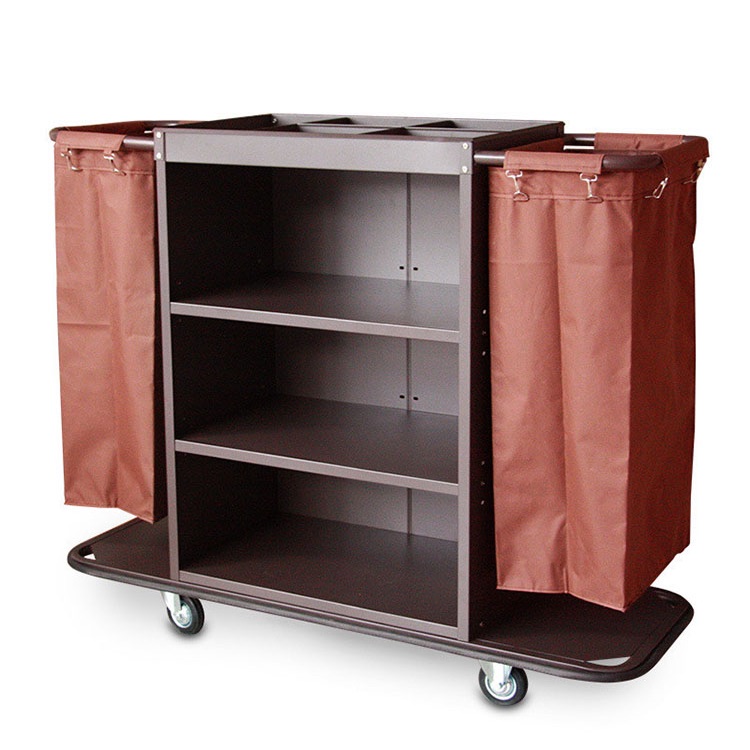
So when a buyer tells me a removable inner bucket trash can is “nice to have,” I know they are looking at unit price instead of shift design. Every extra 20 or 30 seconds spent tugging a stuck liner, wiping the inside of a fixed shell, or carrying a leaky bathroom bin to a service closet gets multiplied by occupied rooms, by attendants, by turns, by months. That is why the logic behind Facility Project Solutions’ housekeeping cart total cost of ownership article and its piece on best housekeeping cart setups for extended-stay hotels applies just as much to hotel trash cans as it does to carts: the hidden cost is almost never the sticker. It is the repeated motion.
Fixed shells waste time
I have watched operators save a few dollars on a bin spec and then quietly pay for it all year in sloppy resets, more wipe-down time, and staff irritation. And yes, staff irritation matters, because once a housekeeping team decides a piece of equipment is annoying, that piece of equipment is already failing.
What the service path really looks like
Attribute
Removable inner bucket hotel trash bin
Fixed-shell hotel trash bin
Liner-ring-only hotel wastebasket
Liner change speed
Fastest in wet or mixed-waste areas
Slowest when liner sticks or collapses
Fast for dry guestroom waste
Leak containment
Strong
Weak
Medium
Rinse-down cleaning
Easy
Awkward
Limited
Exterior presentation
Strong, because the outer shell stays cleaner
Often degrades over time
Strong if the liner stays seated
Best use case
Bathrooms, suites, high-service rooms, staff zones
Low-cost installs where service quality is not the priority
Standard guestrooms with mostly dry waste
My verdict
Best overall operational choice
False economy
Good second choice for select rooms
The table looks blunt because the issue is blunt. A commercial trash can with removable bucket separates the dirty work from the visible shell. That means fewer drip marks, easier rinse-outs, cleaner hands, and less time spent fishing for collapsed liners. But a fixed shell forces staff to service the whole body as the dirty container. That is backwards.
Facility Project Solutions already has the bones of the right content cluster here. Its hotel room trash bin buying guide is pushing buyers toward capacity, inner buckets, and liner control, while the compact guestroom wastebasket with liner ring page makes the presentation argument clearly: hide the bag, shorten the relining step, keep the room looking intentional instead of improvised. That is the right sales logic because hotel trash bins are judged in use, not in catalog photography.
Hygiene gets real when the bag breaks
This is where the conversation stops being aesthetic. CDC guidance updated in March 2024 says contaminated surfaces should be cleaned from lower-likelihood areas to highly contaminated fixtures and notes that mop heads should be changed when a new bucket of solution is prepared, while EPA’s norovirus disinfectant guidance tells buyers to verify the EPA registration number against List G rather than assume a random disinfectant is enough. In other words, the hygiene standard is already specific, procedural, and unforgiving. Your bin design should not sabotage it.
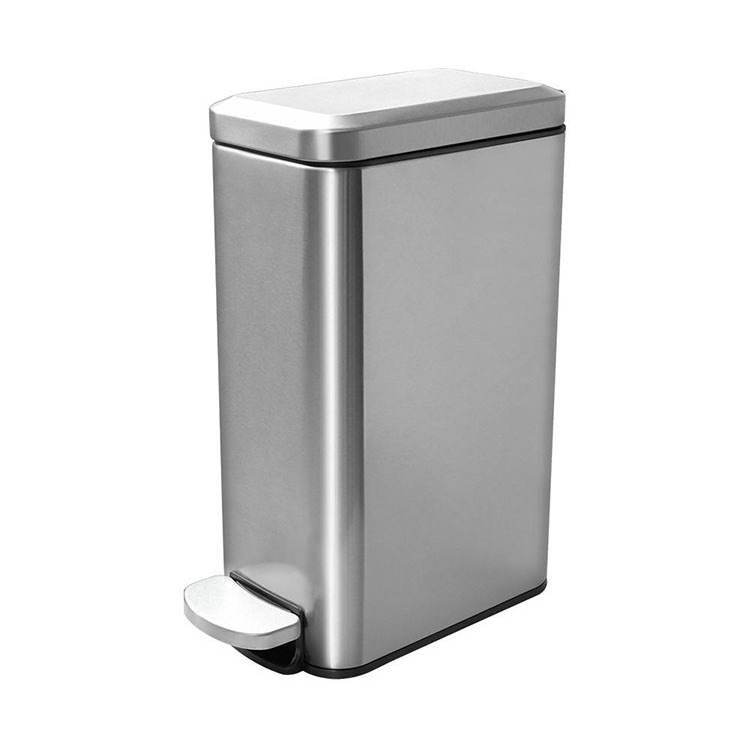
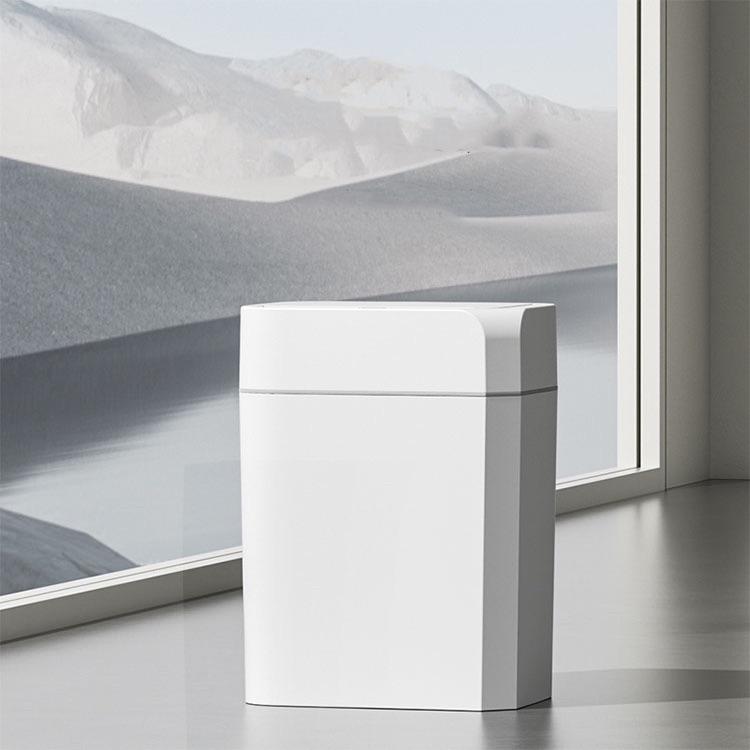
I have no patience for the “just wipe it out” school of facility management. That advice usually comes from people who do not have to service 14 bathrooms before lunch. In a bathroom, a removable inner bucket lets staff lift the waste stream out, reliner quickly, and clean the insert separately from the visible body. That is exactly why a stainless steel pedal bin for hotel bathrooms makes more operational sense than a pretty one-piece shell, and why a sensor trash can with inner bucket is not just a touchless gimmick when used in higher-end rooms or suites. The operating benefit is simpler: less contact, less mess, less argument between SOP and reality.
Guests notice what operations ignores
Guests rarely write, “The removable inner bucket performed beautifully.” That is not how this works. They notice a room that feels sharp or a room that feels slightly off. And hotel wastebaskets go “slightly off” fast: exposed liner edges, warped bags sagging into the can, residue on the inner wall, splash marks near the rim, a bathroom bin that looks one housekeeping round away from embarrassing the brand.
This is why I think many hotel procurement teams still buy the wrong hotel trash bins. They buy for finish first, then capacity, then maybe price, and only later ask how the thing is emptied. That order should be reversed. In guestrooms, a wastebasket with removable liner control can be enough if the waste stream is mostly dry. In bathrooms, though, the removable inner bucket matters more because moisture changes everything: odor risk, leakage risk, cleaning time, and the chance that a staff member ends up touching the shell more than once.
There is also a brand-standard angle people underestimate. A bin program that mixes liner-ring guestroom bins, pedal bathroom bins with lift-out buckets, and consistent public-area models tends to hold its look longer and train staff faster because each use case has a clear service logic. That is why I would rather see a property standardize the service method than chase some overdesigned “luxury” vessel that photographs well and works badly.
The insider mistake buyers keep making
I see this one all the time. Someone compares hotel trash cans on body material, opening style, and dimensions, but ignores whether the insert lifts cleanly, whether the rim traps the liner properly, whether the bucket can be rinsed in seconds, and whether replacement parts or repeat orders can stay consistent across a 50-room boutique hotel and a 300-key chain property. Then six months later the same team is wondering why the guest room wastebasket liner keeps slipping, why attendants hate the bins, and why the bathrooms take longer than the room-cleaning model predicted.
And here is my stronger opinion: if you are buying bins for hotels without timing the service step, you are not doing procurement. You are decorating. The bin is a work tool first. The moment a hotel wastebasket enters a room, a bathroom, a corridor, or a lobby, it becomes part of labor design, infection control, and visual standards all at once. Ignore one of those, and the other two usually get worse.
FAQs
What is a removable inner bucket in a hotel trash bin?
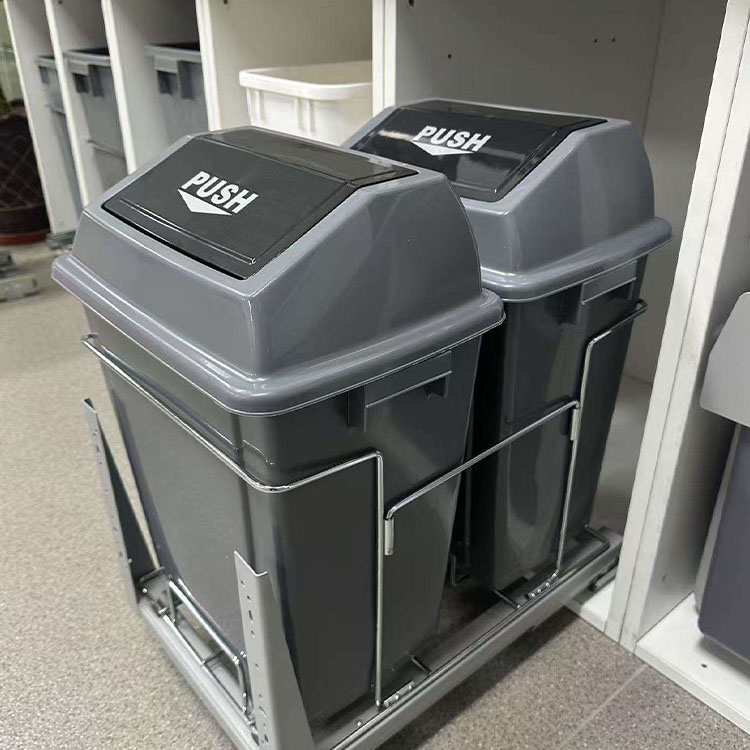
A removable inner bucket in a hotel trash bin is a lift-out internal container that holds the liner and waste separately from the outer shell, allowing housekeeping to empty, reliner, rinse, and reset the unit faster while keeping the visible body cleaner and more presentable between services.
That separation matters because the insert takes the mess, not the decorative shell. In real operations, that usually means fewer drips, less odor retention, and less time spent scrubbing the entire bin body after a liner failure.
Why do hotel trash bins need removable inner buckets?
Hotel trash bins need removable inner buckets because they reduce liner-collapse problems, shorten service time, improve leak control, and make rinse-down cleaning far easier in bathrooms, suites, and other high-touch zones where a fixed-shell wastebasket turns one simple task into a dirty multi-step process.
I would go further: in wet-use areas, they should be the default unless there is a very specific design reason not to use them. Too many operators are still paying a labor penalty to protect a cheaper spec.
Are removable inner buckets better than liner rings?
Removable inner buckets are better than liner rings when the property needs leak containment, quick rinse cleaning, and easier handling of mixed or damp waste, while liner rings are better when the priority is a lighter, lower-profile guestroom wastebasket that hides the bag neatly and deals mostly with dry waste.
That is why smart hotel bin programs do not force one design into every room type. They match the service method to the waste pattern, not the other way around.
Do removable inner buckets reduce housekeeping time?
Removable inner buckets reduce housekeeping time by cutting down liner tangles, minimizing shell wipe-downs, and allowing staff to carry the waste insert directly to disposal or rinse stations, which removes repeated handling steps that fixed-body bins quietly add to every room turn and bathroom reset.
No, the time saving is not dramatic on a single room. But across hundreds of turns per week, it becomes operating margin.
What type of hotel wastebasket works best in guest bathrooms?
The best hotel wastebasket for guest bathrooms is usually a pedal or touchless model with a removable inner bucket, concealed liner control, and surfaces that tolerate frequent wipe-downs, because bathroom waste is more likely to involve moisture, odor, and cleaning chemistry than standard bedroom waste.
That is why I would spec bathroom bins differently from bedside or minibar bins. Treating them as the same category is one of the lazier mistakes in hotel FF&E buying.
Your Next Move
Audit the bins you already have. Time a real liner change in 10 guestrooms, 10 bathrooms, and one public-area route; note how many seconds are lost to stuck liners, wipe-downs, leak cleanup, and awkward carrying, then compare that against the room mix you actually operate. If your current spec fails that test, stop debating finishes and start rebuilding the category around service logic: dry-waste guestrooms, wet-use bathrooms, and high-traffic public areas should not all be forced into one compromise design. My advice is simple: make the removable inner bucket your default for bathrooms and any hotel trash bins exposed to moisture, and make every other spec justify why it deserves an exception.