Share your requirements and target market. We’ll suggest the right configuration, sampling path, and production plan.
During business hours, We can usually provide a preliminary quote within two hours.
: workflow-based setups to improve efficiency and keep corridors tidy
: easier bag changes and maintenance, built for daily facility use
: 1–3 stream options with clear icon/label systems to reduce contamination
: materials, finishes, branding & packaging locked for consistent reorders
Your info is used only for quoting and communication.
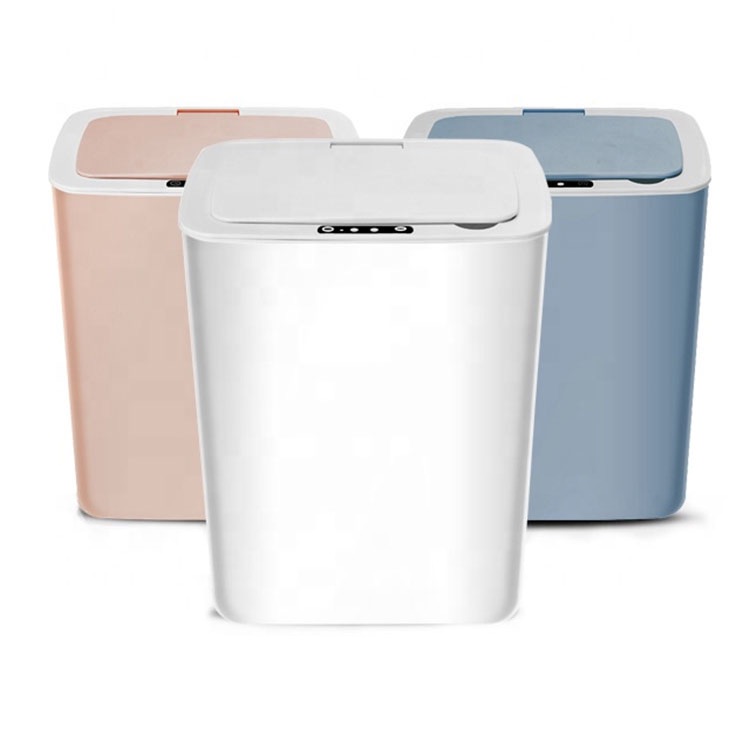
Sensor trash cans are not a universal hotel-room upgrade. They make sense in bathrooms, premium suites, and hygiene-sensitive concepts, but in standard guestrooms they often add maintenance drag, cost, and failure points that overworked housekeeping teams do not need.
Most hotels shouldn’t.
That is the short answer, and it annoys vendors because the showroom pitch sounds elegant while the operating reality is much messier: once I judge a bin by room turns, liner changes, battery dependence, guest noise, and whether housekeeping can reset it fast at 10:47 a.m., the “smart” choice stops looking universal and starts looking selective. Why do buyers keep pretending every touchless product belongs everywhere?
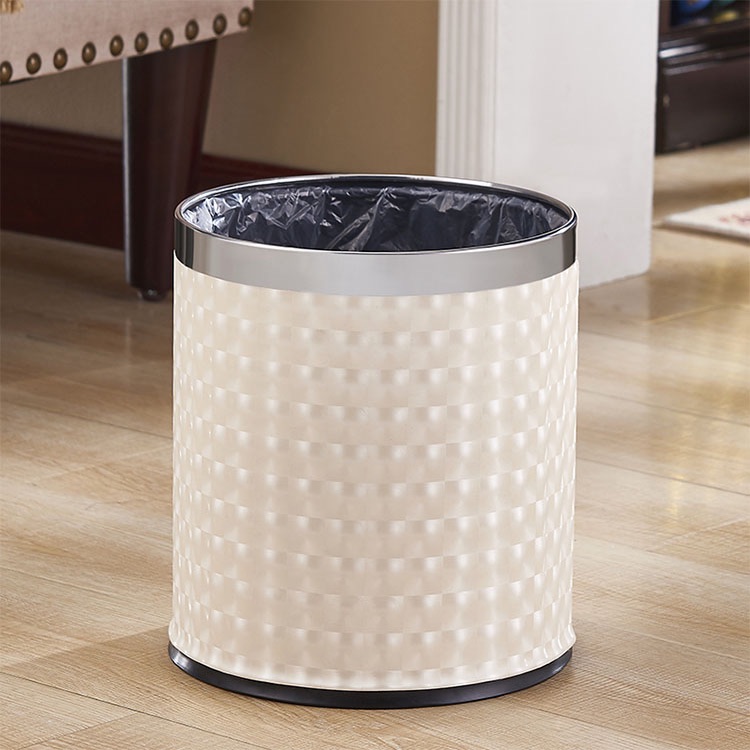
I’ll be blunt. Sensor trash cans are a good fit for some hotel rooms, not for most of them. They earn their keep in bathrooms, premium suites, extended-stay formats, and hygiene-sensitive room concepts. In a standard guestroom with mostly dry waste, I would usually spec a cleaner, simpler, faster open-top or ring-top basket instead.
Table of Contents
The operating truth hotels keep trying to decorate away
A trash can is not a styling accessory. It is a labor event.
According to AHLA’s June 2024 staffing survey, 76% of surveyed hotels said they were dealing with staffing shortages, 79% still could not fill open roles, and housekeeping ranked as the top hiring need for 50% of properties. Then Reuters reported on September 2, 2024 that more than 10,000 U.S. hotel workers struck across multiple cities while demanding better pay, fair workloads, and reversal of COVID-era staffing cuts. In that environment, the wrong bin is not a tiny mistake. It repeats hundreds of times a day.
And the wage backdrop matters. The U.S. Bureau of Labor Statistics shows 836,230 people employed as maids and housekeeping cleaners, with a May 2024 mean hourly wage of $16.66 and a median of $16.08. So every extra task, every awkward liner, every needless wipe-down, every lid malfunction compounds across occupied rooms and labor hours. Cheap procurement theory gets expensive very fast.
Where the sensor pitch is real, and where it is mostly theater
Touch reduction sounds smart. Sometimes it is.
But the benefit is strongest where a bin is shared by many users or where wet waste, odor, and visible hygiene matter more than pure speed, which is why I take touchless models seriously in hotel bathrooms, public washrooms, elevator lobbies, and some premium suites, while remaining skeptical about rolling them out as the default main-room wastebasket. In a standard guestroom, the contact point is already limited; the operating burden is not. Isn’t that the part procurement teams skip?
A 2023 paper in Annals of Tourism Research Empirical Insights found that tourism produces more than 35 million tons of solid waste annually and that hotel waste patterns differ both from other industries and from one hotel segment to another. That matters because there is no magic “best hotel bin.” Waste profile comes first. The right answer for a bathroom bin is often the wrong answer for a desk-side guestroom basket. Read the study here.
More interestingly, the site’s own Sustainability page does not overclaim. It frames smart sensor trash cans as optional and useful “where it matters,” especially in high-traffic zones. I agree. That is the adult answer. Not every room needs a gadget. Some rooms need a disciplined wastebasket with a liner ring and nothing more.
Room / Placement
Typical use profile
Sensor trash can fit
What I would spec
Why
Standard guestroom main area
Mostly dry waste, fast turns, heavy housekeeping repetition
Low
Open-top or liner-ring basket
Faster resets, fewer failure points, lower cost
Premium suite
Higher amenity spend, more design sensitivity, longer stays
Touch reduction and spill control matter more here
Extended-stay room
More packaging, food-related waste, variable guest behavior
Medium
Larger covered bin, sometimes sensor
Depends on waste mix and servicing discipline
Lobby / elevator bank / meeting pre-function zone
Shared user base, visible hygiene, guest traffic
Very high
Motion-sensor bin
Shared touchpoint value is real in public space
The hidden cost is not the purchase price
It is the operating drag.
A sensor bin introduces a lid system, a power dependency, a sensor window, a failure path, and one more thing housekeeping must notice before a guest does. I do not need a white paper to know that a product with more moving parts has more ways to irritate a hotel. That is not anti-technology. It is anti-fantasy.
Facility Project Solutions’ own content quietly backs this up. Its buying guide for hotel room trash bins recommends 8–10 L for standard guestrooms and 3–5 L for bathrooms, and it explicitly argues that sensor or pedal bins belong in bathrooms, premium suites, or hygiene-sensitive settings rather than as a default across a whole property. That is exactly the split I would make. The site gets strongest when it stops selling glamour and starts talking service logic.
Why bathrooms are different
Bathrooms change the math.
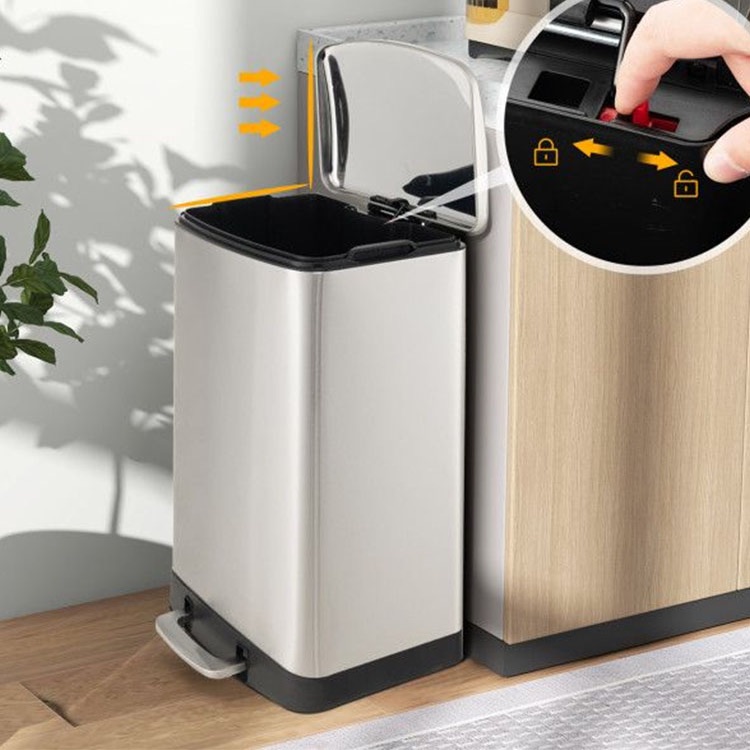
Wet tissue, cosmetic waste, occasional leaks, and the guest’s expectation of hands-free disposal make a covered bin more defensible there, which is why the pedal bin for hotel bathrooms in stainless steel is honestly a stronger all-around hotel product than many sensor models. A pedal bin gives you touch reduction, quiet close, inner-bucket control, and no battery anxiety. Sometimes the old answer survives because it works.
And there is a legal angle buyers ignore until someone in risk management wakes up. California’s Title 8, Section 3345 is aimed at controlling musculoskeletal injury risk for hotel housekeepers. That rule does not tell you which trash can to buy, but it does put room-task ergonomics inside a compliance frame. Awkward emptying, bad grip, sticky liners, and overbuilt bins are not harmless details. They sit inside a labor-safety discussion with real teeth.
The better internal-link strategy for this article
Sensor trash cans are hotel waste bins with motion-activated lids that reduce direct hand contact, but in operational terms they are best used selectively in bathrooms, premium suites, and hygiene-sensitive room concepts rather than as the default main-room bin across an entire hotel.
That is my answer after weighing labor pressure, room-turn speed, maintenance risk, and guest experience together. In standard guestrooms, simpler bins usually outperform them because they are quicker to reline, cheaper to replace, and less likely to fail during occupancy.
What is the best touchless trash can setup for a hotel room?
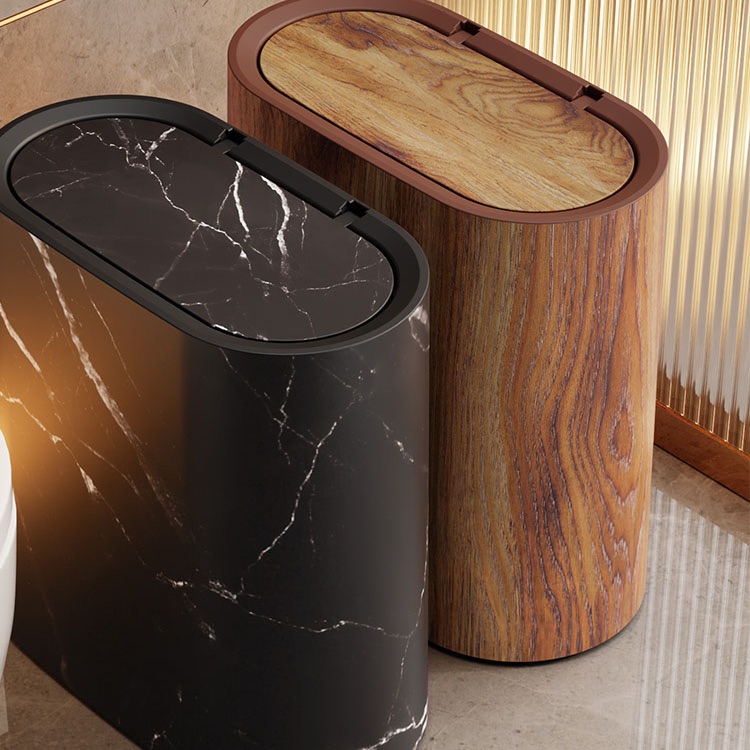
The best touchless hotel-room setup is usually a two-part specification: a compact, open or liner-ring wastebasket in the main sleeping area and a small covered sensor or pedal bin in the bathroom, where wet waste, odor control, and hands-free disposal have more practical value.
Hotels get into trouble when they apply one premium-looking solution everywhere. The better move is zoning. Match the bin to the waste stream, not to a mood board.
Are sensor trash cans better than pedal bins for hotel bathrooms?
Sensor trash cans are automatic-lid bathroom bins designed to reduce hand contact, but they are not automatically better than pedal bins because the real comparison is between touch reduction, maintenance simplicity, noise, inner-bucket control, and how often the mechanism fails under daily housekeeping pressure.
In many hotel bathrooms, I would still pick a well-built pedal bin. It gives you hands-free use without adding sensors and power components, and that often makes it the steadier operational choice.
Do sensor trash cans reduce housekeeping labor?
Sensor trash cans reduce housekeeping labor only when the gain from cleaner disposal, odor control, and easier guest use is larger than the extra time spent checking lid function, cleaning the sensor area, handling inner components, and dealing with power or mechanism issues.
So yes, sometimes. But not by default. In bathrooms and public shared zones, maybe. In standard guestrooms, usually not enough to justify blanket deployment.
My verdict stands. Sensor trash cans are a good fit for some hotel rooms. But for most standard guestrooms? No. Not unless your operating discipline is better than your marketing copy.