Share your requirements and target market. We’ll suggest the right configuration, sampling path, and production plan.
During business hours, We can usually provide a preliminary quote within two hours.
: workflow-based setups to improve efficiency and keep corridors tidy
: easier bag changes and maintenance, built for daily facility use
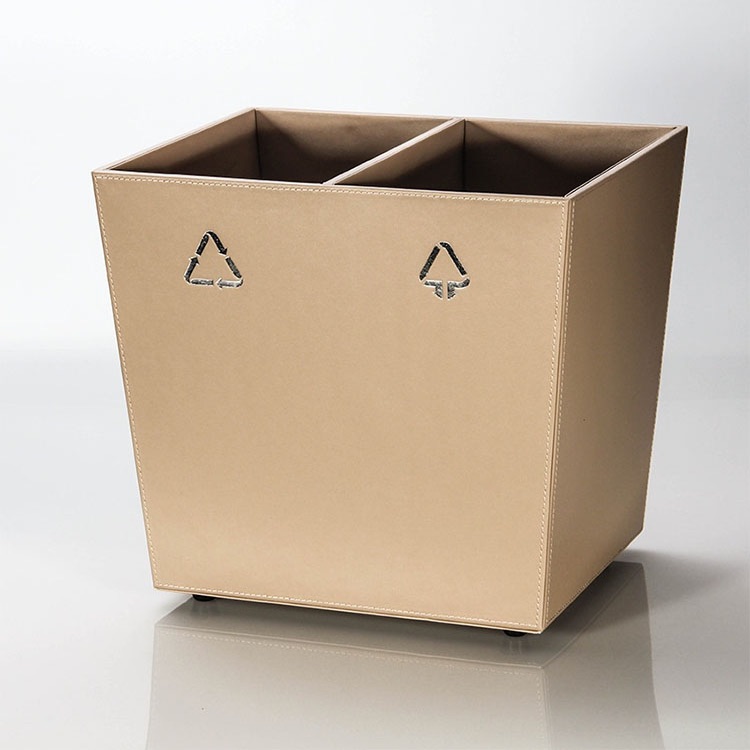
: 1–3 stream options with clear icon/label systems to reduce contamination
: materials, finishes, branding & packaging locked for consistent reorders
Your info is used only for quoting and communication.
Housekeeping Cart Materials Compared: Steel, Aluminum, or Engineered Plastic?
Most hotels do not buy the wrong housekeeping cart because they lack options. They buy the wrong one because they confuse material with appearance, when the real fight is push force, corrosion, corridor behavior, staffing pressure, and replacement math.
Table of Contents
The material decision buyers keep pretending is simple
Most buyers guess.
They compare a hotel housekeeping cart the way people compare patio furniture, by finish, silhouette, and shelf count, even though the real decision sits deeper: loaded push force, corridor damage, wipe-down speed, corrosion exposure, noise, and whether a maid cart or janitorial cart keeps clean and dirty flow separated without eating labor minute by minute. Why are we still pretending this is about looks?
I do not buy the “all materials are fine if the design is good” line. That is vendor diplomacy. The labor backdrop is too ugly for that softness: the BLS May 2024 wage release put maids and housekeeping cleaners at an annual mean wage of $36,180, while traveler accommodation employed 517,600 building-and-grounds cleaning jobs, and AHLA said in June 2024 that 76% of surveyed hotels were short-staffed, with housekeeping named the top hiring need by 50% of respondents.
And the wage pressure is not theoretical. Reuters reported in September 2024 that hotel housekeepers in Baltimore were fighting to move from $16.20 an hour to $20, while housekeepers in Boston were already at $28 and seeking another $10 over four years. That is the hard truth: if your cart adds friction, you are not buying equipment, you are buying recurring labor waste.
Steel housekeeping cart: the brute that survives abuse
Steel lasts.
When I see a property with rough service elevators, sloppy loading habits, and attendants who are forced to carry half the floor on one run because closets are poorly positioned, I stop romanticizing lightweight materials and I start respecting steel. Do you want a cart that flatters the brochure, or one that survives the way hotels actually behave?
A steel housekeeping cart usually wins on frame rigidity, impact tolerance, and the kind of structural patience that back-of-house routes demand. It is the material I trust when loads are heavy, staff are rotating, and management has a long history of treating equipment like it is immortal until a caster snaps in public. But steel also taxes you: more weight, more noise, more fatigue if wheel spec is mediocre, and more corrosion anxiety once coatings get chipped by thresholds, baseboards, and chemical splash. That is why OSHA still flags pushing and pulling heavy carts as a housekeeping hazard, and why Cal/OSHA’s hotel-housekeeper standard, T8CCR section 3345, explicitly calls out loading, unloading, and pushing/pulling carts in its injury-prevention guidance.
My opinion is blunt. If you mean painted or powder-coated steel rather than stainless, steel is the right answer only when you are honest about abuse, route length, and maintenance discipline. If your attendants run long guest corridors all day, steel can become the cheapest bad decision on the floor.
Aluminum housekeeping cart: the balanced choice most hotels actually need
Aluminum travels better.
It gives operators what most guest-floor teams really want: lower dead weight, decent rigidity, better corrosion behavior than ordinary steel, and less punishment during endless stop-start motion outside room doors, service alcoves, and elevators. Isn’t that what a guest-floor cart is supposed to do?
This is where I land more often than vendors expect. For standard hotel housekeeping cart routes, aluminum is usually the cleanest compromise between durability and daily maneuverability. It does not have steel’s brute tolerance for chronic abuse, and it is not magic, but it fits the economics of a labor-constrained industry better. When housekeeping labor is tight and room attendants are already absorbing speed pressure, shaving unnecessary cart mass is not a luxury feature. It is adult procurement. The combination of wage pressure, staffing shortages, and injury exposure makes that trade-off easier to defend than many buyers admit.
Aluminum also has the strongest sustainability story of the three, and I do not say that lightly. The U.S. Energy Information Administration says making new products from recycled aluminum uses 95% less energy than using bauxite ore, and the U.S. Department of Energy backed a Zero Waste Advanced Aluminum Recycling project in November 2024 with more than $3 million to begin Phase 1, as part of a total federal cost share of up to $67.3 million. If your brand team cares about ESG language, aluminum is simply easier to defend in an RFP.
Engineered plastic housekeeping cart: the material vendors oversell and operators misread
Plastic is tricky.
“Engineered plastic” sounds sophisticated, but I have seen that phrase used as a fog machine for thin walls, vague resin disclosure, and frames that behave beautifully in demos and badly in real service once they meet elevator thresholds, overloading, and repeated chemical wipe-downs. Why let marketing language replace specification language?
Still, I am not anti-plastic. Far from it. A well-built engineered plastic housekeeping cart can be quieter, less corrosion-prone, easier to sanitize, and gentler on walls and guest-facing aesthetics than a cheap metal unit. That matters on premium floors and in humid or chemically aggressive environments where rust spots and chipped coatings turn into visual clutter fast. But the buyer has to ask ugly questions: What resin? What wall thickness? What reinforcement? What load rating at full shift weight, not empty-floor fantasy weight? If the seller gets vague, I assume the cart will age badly.
Here is my strongest opinion in this piece: plastic is excellent when the design is disciplined and the route is sane; plastic is a mistake when management uses “lightweight” as an excuse to overload the cart until it behaves like a bad steel cart with better marketing. And if a vendor calls engineered plastic “the green choice” without disclosing recycled content, service life, and end-of-life handling, I stop listening.
The comparison that buyers should actually use
Brochure specs lie.
What matters is not which material sounds premium in a meeting, but which one makes fewer operational mistakes after month six, when casters are dirty, floors are crowded, and nobody remembers the sales deck.
Material
What it does well
What it punishes
Best fit
My verdict
Steel housekeeping cart
High rigidity, strong abuse tolerance, better for punishing back-of-house routes
Weight, noise, corrosion risk if finish fails, higher fatigue on long routes
Heavy-duty service areas, rough handling, oversized loads
Best when abuse is normal and elegance is irrelevant
Aluminum housekeeping cart
Lower weight, solid durability, better guest-floor maneuverability, easier sustainability story
Higher material cost, less forgiving of repeated hard impacts than steel
Standard hotel floors, mixed-use guest corridors, multi-property rollouts
The best all-around answer for most serious hotel operators
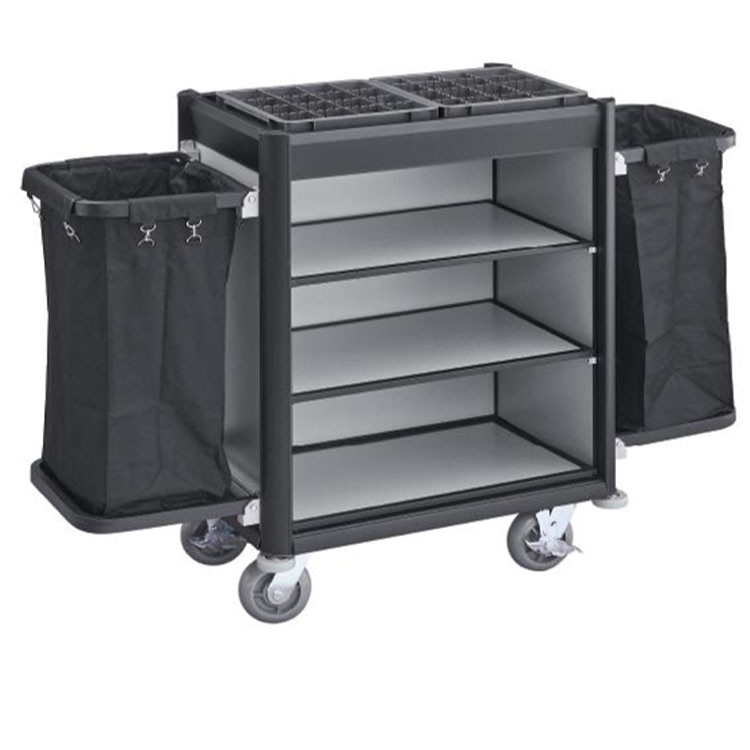
And the site already gives you the logic to support that path. The category page frames housekeeping carts around shelves, bag frames, bumpers, and non-marking wheels; the product pages reinforce corridor maneuverability, easy-clean surfaces, adjustable shelving, and clean-versus-soiled separation; and the OEM page speaks the procurement language that bigger buyers actually use, including corridor widths, elevator turns, load targets, and repeatable reorders. That sequence is exactly how commercial intent should be handled.
So which material should you choose?
Here is my verdict.
If you run hard back-of-house routes, overload carts, and measure value in years of structural punishment, buy steel and stop whining about weight. If you run guest floors, care about maneuverability, and want the safest all-around procurement answer, buy aluminum. If presentation, noise control, wipe-down speed, and corrosion immunity are your first concerns, buy engineered plastic, but only after forcing the supplier to stop hiding behind that phrase and show you the real build spec.
That is the answer. But not the whole answer.
Because the best housekeeping cart material is never chosen in isolation. It is chosen against corridor width, elevator geometry, wall-finish sensitivity, linen volume, cleaning chemistry, and whether attendants are doing 12 rooms, 18 rooms, or a punishing extended-stay mix that bloats cart loads and stretches refills. I have watched buyers ignore those variables, then blame the material when the real failure was lazy specification.
FAQs
What is the best housekeeping cart material for hotels?
The best housekeeping cart material for hotels is the material that best matches corridor width, load weight, cleaning chemistry exposure, guest visibility, and replacement cycle; in most real properties, that means aluminum for balanced guest-floor use, steel for punishment-heavy routes, and engineered plastic for quieter, corrosion-resistant operation.
My view: if you do not know your live route conditions, you do not know your best material.
Is an engineered plastic housekeeping cart better than a steel housekeeping cart?
An engineered plastic housekeeping cart is better than a steel housekeeping cart when the property prioritizes lower noise, corrosion resistance, easy-clean surfaces, and guest-facing appearance, but steel stays better for brutal loading conditions, repeated impacts, and service routes where attendants and managers treat the cart like a moving warehouse.
Plastic is not weaker by definition. Badly specified plastic is.
When should I choose an aluminum housekeeping cart?
An aluminum housekeeping cart should be chosen when a hotel needs a lighter, easier-to-steer platform that still feels commercial-grade, especially on guest floors with long corridors, frequent elevator use, tight turns, and staffing pressure that makes every extra push, stop, and repositioning movement more expensive over time.
For most midscale and upscale hotels, this is the safest answer.
How do I choose housekeeping cart material?
To choose housekeeping cart material, measure the real operating route first, including corridor width, parked footprint, elevator threshold behavior, average linen and amenity load, wall-finish sensitivity, and chemical exposure, then match the material to those conditions instead of buying off a catalog photo or a finish sample.
I would also test the cart fully loaded, not empty and smiling in a showroom.
Your next step
Stop buying on finish.
Audit one current cart at full load, time one real floor run, note push difficulty, parked depth, wall strikes, wipe-down time, and how often attendants mix clean stock with waste or soiled linen. Then compare those failures against three material paths: steel for abuse, aluminum for balance, engineered plastic for presentation-sensitive efficiency.
And if this piece is going live on Facility Project Solutions, wire the article to the six pages above and turn it into a conversion path, not a dead-end blog post. That is how you make content earn its keep.