Share your requirements and target market. We’ll suggest the right configuration, sampling path, and production plan.
During business hours, We can usually provide a preliminary quote within two hours.
: workflow-based setups to improve efficiency and keep corridors tidy
: easier bag changes and maintenance, built for daily facility use
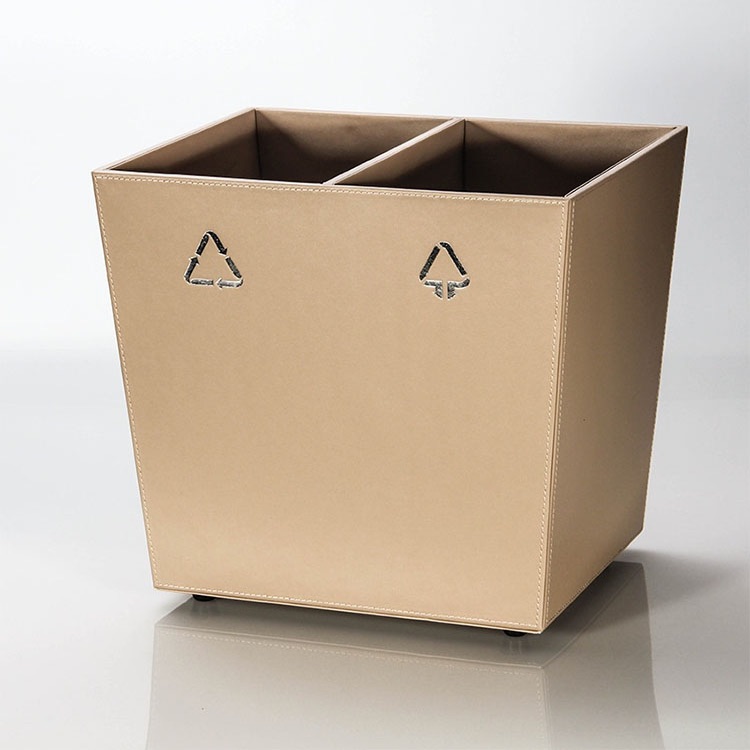
: 1–3 stream options with clear icon/label systems to reduce contamination
: materials, finishes, branding & packaging locked for consistent reorders
Your info is used only for quoting and communication.
Common Sensor Trash Can Problems: Battery Life, False Opens, and Maintenance
Sensor trash cans fail in boring ways before they fail loudly. Battery life drops. False opens start. Lids hesitate. Staff blame the product, but the real culprit is often placement, cleaning chemistry, traffic pattern, or procurement specs written by someone who never empties the bin.
Table of Contents
The Dirty Secret: Most “Smart Bin” Failures Are Not Smart
The bin lies.
A sensor trash can can look modern, hygienic, and procurement-friendly on a spec sheet, but once it sits near a restroom hand dryer, a lobby window, a buffet station, a housekeeping cart route, or a corridor with unstable lighting, the electronics start telling a different story. Why does the “premium” unit suddenly act cheap?
Because sensor trash can problems are rarely just product defects. They are system defects.
I have a hard opinion here: too many buyers treat a touchless bin like a gadget. It is not. It is a small electromechanical appliance living in one of the dirtiest, wettest, most abused micro-environments in a building. The sensor lens gets smeared. The lid motor fights overstuffed liners. The battery compartment sits near moisture. The infrared field gets confused by reflective floors, moving shadows, HVAC drafts, and impatient users waving their hands like they are opening a casino door.
That is why a facility team should not buy “automatic” first. It should buy serviceability first.
For hotels, offices, clinics, schools, and public interiors, the smarter starting point is not a random retail bin. It is a controlled category approach such as Smart Sensor Trash Cans built around placement, liner control, removable buckets, quiet-close behavior, and maintenance access. The electronics matter. But the service cycle matters more.
Battery Life Is the First Autopsy Report
Automatic trash can battery life is where weak specifications expose themselves. A lid that opens 40 times per day in a guestroom is one problem. A lid that opens 400 times per day near a hotel breakfast area is another animal entirely.
Most sensor bins use AA, C, D, or rechargeable lithium-based power depending on the model. The chemistry matters, but the operating pattern matters more. Alkaline cells lose performance under heavy drain and cold conditions because internal resistance rises; Energizer’s technical material on alkaline manganese dioxide battery behavior notes that cold temperatures slow chemical reactions and increase internal resistance, which can create voltage drop under load.
Here is the part vendors underplay: a nearly dead battery does not always die cleanly.
It stutters.
The lid opens halfway. The lid closes late. The sensor range shrinks. The motor sounds tired. Staff think the touchless trash can is not working, but the controller may be receiving just enough voltage to behave badly, not enough to behave reliably. That in-between state creates the most complaints because the bin is not obviously broken.
For properties standardizing sensor bins across rooms, lobbies, and restrooms, I would rather see a procurement spec that says “battery replacement access without tools, clearly marked polarity, protected compartment, tested open-close cycle target, and replacement schedule” than one that says “sleek automatic lid.”
Hard truth: “sleek” does not empty rooms faster.
Battery Drain Patterns Facility Teams Should Track
Symptom
Probable Cause
Fast Field Test
Practical Fix
Procurement Lesson
Lid opens slowly
Weak cells, motor drag, heavy lid, sticky hinge
Replace with fresh batteries and run 20 open-close cycles
Clean hinge path, replace batteries, inspect lid seal
Ask for cycle testing, not just capacity
Lid opens but will not close
Obstruction, sensor still detecting object, dirty lens
Remove liner overhang and wipe sensor window
Refit liner, clean sensor, reset unit
Require liner-retaining rim or inner bucket
New batteries drain fast
False opens, high traffic, poor placement, cheap cells
Specify moisture protection and accessible battery bay
If you manage multi-site hospitality or commercial spaces, look hard at products with removable liners and inner buckets, such as a sensor trash can with inner bucket. The inner bucket is not glamorous. It is operational insurance against liquid residue, bag sag, liner drag, and the little spills that eventually reach electronics.
False Opens: The Sensor Is Usually Doing Exactly What You Asked
A sensor trash can opens by itself because the sensor sees a trigger, even when humans do not recognize that trigger as “use.” Passive infrared and motion-based sensors respond to changes in heat, reflection, distance, or movement within a detection field; they do not understand intent, sanitation, or the fact that the housekeeper is already annoyed.
That distinction matters.
A 2024 peer-reviewed review on PIR sensor-based occupancy monitoring describes passive infrared sensors as widely used for occupancy detection because they identify changes in infrared radiation patterns. Translate that into trash-can language: a sensor bin is not thinking. It is reacting.
And sometimes reacting badly.
Sunlight flashes across a polished floor. The lid opens. A restroom hand dryer kicks warm air across the sensor face. The lid opens. A dangling liner edge moves inside the detection zone. The lid opens again. A guest waves once, gets no response, waves three more times, and now the controller is stuck in a messy loop of inputs.
This is why I dislike sensor bins in certain high-chaos locations. Not because touchless is useless. Because touchless is overused.
A motion sensor trash can for high-traffic areas makes sense when the use case is hands-free disposal, fast guest movement, and a controlled indoor zone. It makes less sense when it is jammed below direct sun, beside a reflective elevator wall, or under a vent that blasts warm air every seven minutes.
The False-Open Hit List
Here are the suspects I check first when handling motion sensor trash can troubleshooting:
The ugly fix is often simple: move the bin 12 to 24 inches, clean the sensor lens with the right cloth, tuck the liner correctly, and stop aiming the detection field into a traffic lane.
Not sexy. Effective.
Maintenance Is Where the Warranty Goes to Die
Smart trash can maintenance is not a wipe-down once someone complains. It is a repeatable inspection routine.
A sensor bin has five maintenance zones: sensor window, lid hinge, motor path, battery bay, and waste-contact surfaces. Ignore one and the bin starts producing “mystery failures.” Ignore all five and you get the classic support ticket: “automatic lid broken.”
No, it is probably not broken. It is sticky, underpowered, mispositioned, and wearing last week’s disinfectant film.
The public-health argument for touchless bins is fair, but let’s not pretend hands-free always means low-maintenance. A covered bin can help contain odor, especially in wet-waste zones, but the lid also creates another mechanical surface that must close properly. Facility teams already fighting odor should connect sensor-bin decisions to broader indoor trash bin odor control rather than treating the lid as a magic shield.
That is not trivia. That is a warning label for facility operations.
Reuters also covered a 2024 London rubbish-truck fire where officials said the blaze likely began in the waste compartment from a flammable item, not the electric vehicle itself; the report emphasized proper disposal of batteries, electronics, vapes, and gas canisters because these items frequently cause waste fires. Read the Reuters fact check on the London waste-truck fire. The lesson is not “panic about sensor bins.” The lesson is “control battery disposal before the waste stream controls you.”
The Facility Buyer’s Troubleshooting Framework
Here is my practical rule: diagnose the environment before condemning the product.
If a touchless trash can is not working, do not start with the warranty claim. Start with a controlled test.
Move the bin to a neutral room. Install fresh batteries from the same pack. Remove the liner. Clean the sensor lens. Cycle the lid 20 times with a consistent hand motion. Then reintroduce the liner, the room, the traffic, and the placement one variable at a time.
The failure pattern will usually confess.
If it works in a neutral room but fails in the original location, the problem is placement. If it fails with fresh batteries and no liner, the problem may be board, motor, wiring, or lid mechanics. If it works until the bag is installed, the liner is interfering. If it works until cleaning day, the chemical routine is leaving residue or moisture where electronics hate it.
For multi-property programs, this is where a repeatable OEM/ODM waste-bin specification beats ad hoc buying. Same battery access. Same liner fit. Same sensor placement. Same replacement parts. Same staff instructions. Same troubleshooting logic.
Consistency saves labor.
And labor is the real cost.
According to OSHA’s release of 2024 injury and illness data, the agency posted data from more than 370,000 Form 300A summaries and partial data from more than 732,000 Form 300 and 301 records. That does not mean sensor bins are dangerous by themselves, but it does remind us that routine facility tasks become recordable when design, handling, cleaning, and repetition go wrong. See the OSHA 2024 injury and illness data release.
The Bureau of Labor Statistics also reported that private industry had 2.5 million nonfatal workplace injury and illness cases in 2024, with a total recordable case rate of 2.3 cases per 100 full-time equivalent workers. Waste handling is not an abstract housekeeping chore. It is repetitive physical work inside a risk system. The BLS employer-reported workplace injury and illness summary makes that plain.
How to Fix a Sensor Trash Can That Keeps Opening
Start with the boring fixes. They work.
Replace all batteries at once using the correct type and orientation.
Clean the sensor window with a soft cloth; avoid soaking it with spray.
Remove liner overhang from the detection zone.
Move the bin away from sunlight, vents, hand dryers, and reflective panels.
Reset the unit according to the manufacturer’s button or battery-removal process.
Check the hinge and lid path for food residue, bag interference, or impact damage.
Inspect the battery compartment for corrosion, moisture, or loose springs.
Test in a neutral location before assuming the electronics failed.
Document repeat failures by room, date, batteries used, and traffic condition.
Replace the unit or standardize the spec if the same model keeps failing in the same environment.
For hotels and commercial interiors, the better procurement move is to align sensor bins with the broader indoor trash bins category and decide where touchless access actually earns its keep: restrooms, buffet zones, medical-adjacent rooms, high-touch public areas, and premium guest spaces. Not every bin needs a circuit board.
There. I said it.
FAQs
What are the most common sensor trash can problems?
The most common sensor trash can problems are short battery life, false opens, delayed lid movement, dirty sensor windows, liner interference, moisture in the battery bay, weak motor response, and poor placement near sunlight, HVAC vents, hand dryers, or reflective surfaces that confuse the detection field. These issues often look like product defects but usually come from use conditions.
A good troubleshooting process separates electrical failure from environmental interference. Test the bin with fresh batteries, no liner, a clean sensor lens, and a neutral location before blaming the PCB, lid motor, or supplier.
Why is my touchless trash can not working?
A touchless trash can is usually not working because the batteries are weak, installed incorrectly, corroded at the contacts, or unable to deliver enough voltage for the lid motor; other common causes include a blocked sensor, dirty lens, jammed hinge, overhanging liner, moisture exposure, or a control board that needs resetting. Start with power and obstruction checks.
If the bin works after fresh batteries and cleaning, it was not truly dead. If it still fails in a neutral test location with no liner installed, the likely issue is motor, wiring, switch, or board failure.
How long should automatic trash can battery life last?
Automatic trash can battery life should be judged by open-close cycles, traffic level, battery chemistry, lid weight, motor load, temperature, and false-trigger frequency rather than by a generic calendar promise. In low-use guestrooms, batteries may last months; in high-traffic lobbies, restrooms, or buffet zones, the same model may drain far faster.
For commercial use, track replacement dates by location. If one zone burns through batteries faster than others, investigate false opens, airflow, sunlight, liner movement, or user traffic before switching suppliers.
Why does my sensor trash can open by itself?
A sensor trash can opens by itself when the sensor detects motion, infrared change, reflection, liner movement, heat shift, or a nearby passing object inside its detection range even though nobody intends to use the bin. The unit is usually responding to a trigger, not “malfunctioning” in a human sense. Placement is the first suspect.
Move the bin away from windows, vents, hand dryers, glossy walls, and tight walk paths. Then clean the sensor lens and check whether the liner edge is waving into the detection zone.
How do you fix a sensor trash can that keeps opening?
To fix a sensor trash can that keeps opening, replace the batteries, clean the sensor window, remove liner overhang, relocate the bin away from heat sources and reflective surfaces, reset the unit, and test it in a neutral room to separate product failure from environmental triggers. Most repeat false opens are placement or maintenance problems.
If the bin still opens randomly after controlled testing, document the symptoms and replace the sensor module or unit. For multi-site facilities, remove that model from the approved spec if failures repeat across locations.
What maintenance does a smart sensor trash can need?
A smart sensor trash can needs routine cleaning of the sensor lens, inspection of the lid hinge, battery-contact checks, liner-fit control, moisture prevention, waste-residue removal, and periodic open-close cycle testing so the electronics, motor, and lid path stay predictable under daily use. Maintenance should be scheduled, not complaint-driven.
Staff should never spray cleaner directly into the sensor, lid seam, or battery bay. Apply cleaner to a cloth first, then wipe. That one habit prevents many “random” failures.
Final Thoughts: Audit the Bin Before You Blame the Bin
Sensor trash can problems are not mysterious. They are usually the visible edge of weak procurement, lazy placement, vague cleaning instructions, and electronics being asked to survive a hostile waste environment without a maintenance plan.
So do the unglamorous thing.
Walk the property. Watch where people actually throw waste. Check sunlight, vents, hand dryers, liner behavior, battery access, and cleaning chemistry. Then decide where touchless bins truly make sense and where a simpler service-friendly unit would outperform a smarter-looking one.
If you are standardizing bins for hotels, offices, public facilities, or multi-site rollouts, build the spec around battery access, removable liners, sensor placement, quiet-close reliability, moisture control, and repeatable servicing. Start with the smart sensor category, compare it against your actual traffic zones, and use Facility Project Solutions’ smart sensor trash can options as the basis for a cleaner, more predictable waste-bin standard.