Share your requirements and target market. We’ll suggest the right configuration, sampling path, and production plan.
During business hours, We can usually provide a preliminary quote within two hours.
: workflow-based setups to improve efficiency and keep corridors tidy
: easier bag changes and maintenance, built for daily facility use
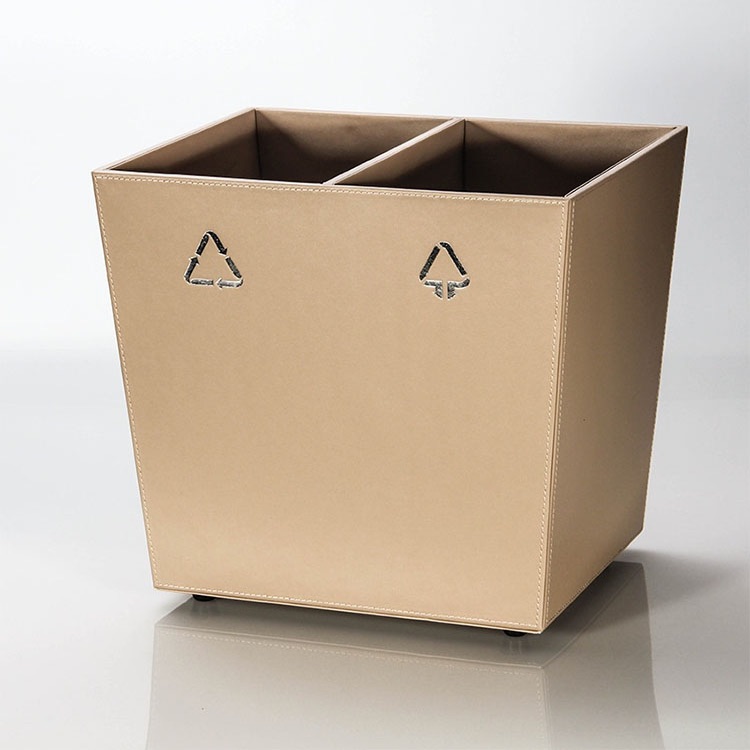
: 1–3 stream options with clear icon/label systems to reduce contamination
: materials, finishes, branding & packaging locked for consistent reorders
Your info is used only for quoting and communication.
Housekeeping Cart Features for Luxury vs Budget Hotels
Most hotels do not buy the wrong cart because they are careless. They buy the wrong cart because they mistake appearance for operating value. Here is what luxury properties actually need, what budget hotels cannot afford to fake, and which housekeeping cart features pay off in both.
Table of Contents
The cart nobody budgets honestly
Looks expensive.
But most operators still buy a hotel housekeeping cart as if it were hallway furniture, even though Reuters reported in April 2024 that U.S. hotel staffing per occupied room was down 13% from 2019 while 2023 gross operating profit per room rose 8.6% year over year and RevPAR hit a record $97.97, which tells me the same old story: owners want margin, guests want polish, and attendants are expected to absorb the difference with their bodies. Why would I pretend the cart is a minor detail? Reuters reported in April 2024 and again in September 2024 that workload, staffing cuts, and disrupted housekeeping were active labor flashpoints.
Here is the hard truth I keep coming back to: the “luxury vs budget” split is not really about money first. It is about where the hotel hides failure. Luxury hotels hide it in guest sightlines, noise control, and brand presentation. Budget hotels hide it in labor drag, broken casters, sloppy bag separation, and carts that die early.
And the labor math is ugly.
According to the U.S. Bureau of Labor Statistics May 2024 wage release, maids and housekeeping cleaners averaged $36,180 annually, while traveler accommodation employed 517,600 building and grounds cleaning and maintenance workers; meanwhile OSHA still flags pushing and pulling heavy carts as a direct ergonomics hazard for housekeepers, and Washington State’s November 2024 workload study says musculoskeletal disorders and falls remain the most common injuries in adjacent professional cleaning work. That is not a “soft” issue. That is operating cost with wheels.
Luxury hotels buy concealment, silence, and control
Fake luxury fails.
A luxury hotel does not need more shelves just because the budget is bigger; it needs better concealment, better acoustic behavior, better materials discipline, and better control over how linen, amenities, PPE, quaternary ammonium cleaners, and H2O2-based spot-treatment supplies move through guest-facing corridors. If the cart rattles, shows loose refill stock, or leaves a black caster streak outside a suite selling at a premium ADR, the property looks cheaper than it is. Isn’t that the real risk?
What luxury hotel housekeeping cart features actually matter
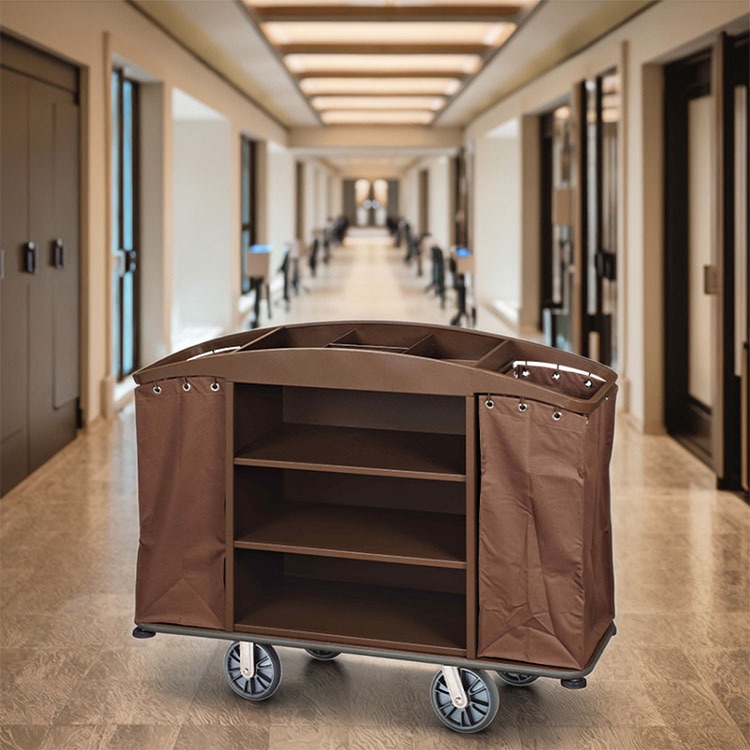
I would put five things at the top of the list: lockable or enclosed storage, quiet non-marking casters, wrap-around bumpers, clean-versus-soiled zoning, and surfaces that wipe down fast without looking industrial. Chrome theater is optional. Operational discipline is not.
That is exactly why a page like how to choose a slim housekeeping cart for narrow hotel corridors works as a smart internal step for this article: it pushes corridor width, bumpers, bag-holder projection, and live footprint instead of brochure vanity. And when the reader is thinking less about width and more about premium-floor organization, custom linen and amenity cart for hotels is the better jump, because the site frames it around compartmentalized storage, adjustable shelving, non-marking casters, and protective bumpers. That is how a housekeeping trolley for hotels should be sold to luxury buyers: by route logic, not by glamour adjectives.
The luxury mistake I see too often
Hotels overspec appearance and underspec behavior.
I have seen premium properties buy a glossy cart with decorative side panels and weak wheel behavior, then act surprised when attendants hate it, elevators get clipped, and the thing becomes a rolling apology. The best housekeeping cart for hotels at the luxury tier is usually narrower, quieter, and more controlled than people expect. Not bigger. Not louder. Not “more premium” in the lazy sense.
Budget hotels need endurance, not costume jewelry
Save the money.
A budget or midscale property should not chase luxury hotel housekeeping cart features it will never monetize. It needs a hotel cleaning cart that survives abuse, separates dirty flow from clean stock, cleans up fast, and does not force extra refill runs because some buyer fell in love with pretty doors and forgot the service closet is two turns and one elevator ride away. Why buy polished headaches?
What budget hotel housekeeping cart features pay back fast
For budget hotel housekeeping cart features, I care about shelf access, bag-frame separation, caster durability, wall protection, and easy-clean materials before I care about enclosed cabinetry. If the route is heavy, repetitive, and back-of-house visible more than guest-visible, simpler is usually better.
That is where heavy-duty cleaning cart for hotel floors fits naturally inside the article, because the page is built around zoned storage, non-marking casters, corner bumpers, and faster restocking. And if the pain point is linen haul rather than guest-floor presentation, collapsible linen collection cart with casters is the stronger internal link because it speaks directly to fold-flat storage, tight hallway movement, and back-of-house efficiency. Budget buyers do not need romance. They need fewer trips and fewer failures.
The budget mistake nobody admits
Cheap carts lie.
A low purchase price looks tidy in procurement meetings, but once a cart starts fighting the operator on thresholds, loading badly, mixing trash with fresh inventory, or burning through wheels every few months, the savings vanish into payroll, maintenance, and complaints. Facility Project Solutions is already leaning into that argument on its own housekeeping cart total cost of ownership guide, and frankly, that is the right angle because unit price without route cost is accounting theater.
The feature comparison that actually matters
Most comparison charts are useless.
They compare “open vs closed” or “steel vs plastic” as if a cart lives in a showroom, while the real fight is noise, width, refill cadence, contamination control, and whether one attendant can move 12 to 17 rooms’ worth of live stock without turning every shift into overexertion. So here is the table I would actually hand to a skeptical buyer.
Feature
Luxury Hotels
Budget Hotels
My blunt verdict
Storage style
Enclosed or semi-enclosed cabinet, often lockable
Open or semi-open shelves with faster grab access
Luxury buys visual control; budget buys speed
Caster spec
Quiet, non-marking, smoother steering, better vibration control
Durable, easy-replace caster set with good threshold behavior
Both need good wheels; luxury just notices noise sooner
The reason I refuse to separate cart choice from labor conditions is simple: Reuters’ September 2024 strike coverage tied disrupted housekeeping directly to worker shortages, and Washington State L&I’s 2024 workload study is explicit that common injuries in cleaning work still center on overexertion-related musculoskeletal disorders, falls, and workload assignment. A cart that adds force, reach, noise, or clutter is not neutral equipment. It is a bad management decision made visible.
The features that pay in both segments
Some things travel well.
An ergonomic housekeeping cart is one that reduces push-pull force, awkward reaches, and stupid rehandling, and OSHA is very plain about heavy-cart pushing, bad tool design, and awkward postures being risk factors in housekeeping. That means non-marking casters, disciplined shelf heights, bag separation, and bumpers belong in both luxury and budget models; the difference is whether the hotel is also paying for concealment and presentation. Why argue with physics? OSHA’s housekeeping ergonomics guidance says exactly that.
What is the difference between a luxury and budget hotel housekeeping cart?
A luxury hotel housekeeping cart is a quieter, more concealed, more presentation-sensitive service platform built to protect guest sightlines, secure chemicals and amenities, and reduce corridor noise, while a budget hotel housekeeping cart is optimized for durability, speed, and low-friction replenishment with fewer cosmetic extras.
I would put it even more bluntly: luxury pays to hide the work, budget pays to survive the work. Both still need strong wheel behavior, sane storage zones, and clean-dirty separation.
What features matter most in a hotel housekeeping cart?
The most important hotel housekeeping cart features are controlled storage zones, non-marking casters, protective bumpers, easy-clean surfaces, safe chemical handling, and a footprint that matches corridor and elevator reality, because those details shape labor time, injury exposure, wall damage, and whether attendants can replenish rooms without constant rehandling.
Everything else is secondary. Fancy trim does not rescue a bad route, and extra shelves do not rescue a bad layout.
Are lockable cabinet doors worth it on a housekeeping trolley for hotels?
Lockable cabinet doors are worth it when a housekeeping trolley for hotels operates on guest-facing floors, in mixed-use corridors, or near premium inventory, because they improve presentation, limit casual access to chemicals and amenities, and stop the cart from looking like a rolling stockroom in public view.
I like them for luxury and upper-upscale properties. I do not automatically like them for every budget route, especially if they slow access more than they solve risk.
How do you choose a hotel housekeeping cart for narrow corridors?
To choose a hotel housekeeping cart for narrow corridors, measure the live working footprint of the loaded cart, including bumpers, bag-holder projection, handle reach, and operator stance, then match that profile to door swings, elevator thresholds, housekeeping closet distance, and expected refill cadence rather than trusting catalog width alone.
That is why I rate corridor behavior above catalog elegance. A cart that parks neatly and turns cleanly is smarter than a wider cart that carries more but blocks traffic.
What is the best housekeeping cart for hotels with labor pressure?
The best housekeeping cart for hotels under labor pressure is the model that cuts wasted motion per shift through better zoning, smoother rolling, faster access to high-frequency consumables, and cleaner dirty-flow separation, because labor shortages make every extra minute, refill trip, and awkward reach more expensive than it used to be.
This is where too many buyers still get fooled by sticker price. Labor repeats every day. Purchase price does not.